
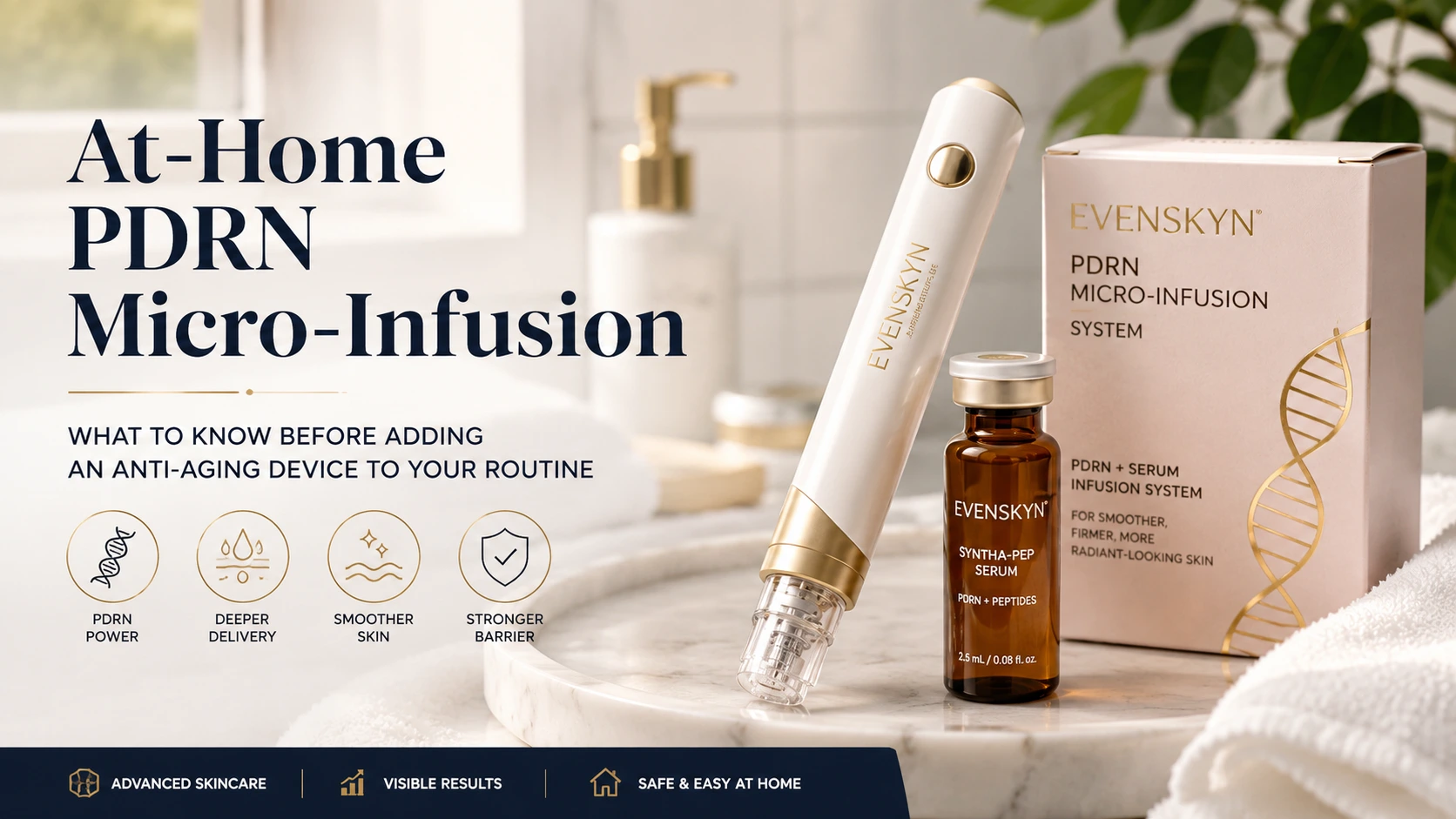
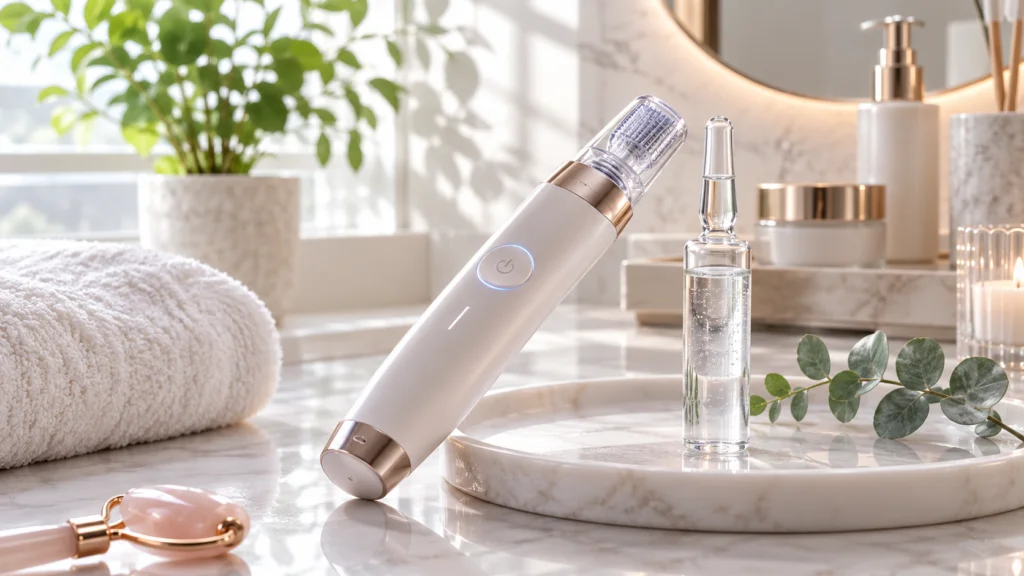
At-home skincare has moved beyond basic cleansers, moisturizers, and serums. EvenSkyn is one example of the growing category of at-home beauty technology. Today, consumers can find devices designed to make advanced-looking routines more convenient, including micro-infusion tools paired with targeted formulas. One of the ingredients attracting particular attention is PDRN, a polynucleotide-based cosmetic ingredient often discussed for its role in supporting the appearance of smoother, hydrated, and more resilient-looking skin.
For readers exploring an at-home approach to anti-aging skincare, the key is understanding what micro-infusion is, what PDRN is intended to do cosmetically, and what requirements matter when choosing a device. A thoughtful routine should prioritize hygiene, controlled use, realistic expectations, and skin compatibility rather than simply chasing the newest trend.
What Is PDRN in Skincare?
PDRN stands for polydeoxyribonucleotide, a class of DNA fragments used in cosmetic and professional skincare discussions. It has become popular in beauty routines because formulations containing PDRN are marketed around skin that looks more hydrated, plump, smooth, and refreshed. The ingredient is not a replacement for medical treatment, and cosmetic products should be evaluated according to their intended use and claims.
The growing interest in PDRN also reflects a broader shift toward ingredient-focused skincare. Instead of relying only on a product’s marketing language, shoppers increasingly want to know the active ingredients, delivery method, packaging, usage schedule, and safety instructions. That mindset is especially useful when considering devices that create temporary micro-channels in the outer skin barrier.
How At-Home Micro-Infusion Works
Micro-infusion is different from simply applying a serum with your fingertips. A purpose-built device uses very fine needles or micro-points to create controlled, shallow channels while a compatible cosmetic formula is delivered during the treatment. The goal is to improve the delivery experience without turning an at-home routine into an aggressive procedure.
Depth control is one of the most important design considerations. For home use, a device should have a clearly defined operating depth, straightforward instructions, and a treatment head designed for hygienic single-use or properly maintained use. Consumers should never improvise needle depths or substitute products that are not intended for the device.
Why Controlled Delivery Matters
The skin barrier is an important protective system, so more penetration is not automatically better. A controlled cosmetic device is valuable because it establishes a repeatable method rather than encouraging users to press harder or treat the skin more aggressively. The best routine is one that can be followed consistently while minimizing unnecessary irritation.
What to Look for in an At-Home PDRN Micro-Infusion Kit
A quality kit should make the process easy to understand from the first use. Look for a device with clear instructions, a defined treatment depth, hygienically packaged treatment components, and a formula specifically designed for the delivery method. Sealed, single-use serum ampoules can also reduce unnecessary handling and help keep the treatment process organized.
For consumers comparing options, an At-home PDRN micro-infusion kit can be one example of this approach. The EvenSkyn MicroInfuser system combines a mechanically fixed 0.5 mm design with 24K gold-plated microneedles and sealed Syntha-Pep serum ampoules. The formula is described by the manufacturer as containing bioengineered PDRN alongside EGF, copper peptides, hyaluronic acid, niacinamide, and barrier-supporting ingredients. These details illustrate why the full system—not just the headline ingredient—should be considered when evaluating an at-home device.
Building a Safer Anti-Aging Routine at Home
Preparation matters as much as the device itself. Start with clean hands, a clean treatment area, and skin that is free of makeup and other unnecessary products. Follow the manufacturer’s instructions for cleansing, treatment frequency, and aftercare. Do not share treatment heads, and do not reuse single-use components.
After micro-infusion, keep the routine simple. Avoid immediately layering harsh exfoliating acids, strong retinoids, or other potentially irritating products unless the device manufacturer or a qualified professional specifically says they are appropriate. Skin may look temporarily pink or feel mildly warm after treatment, but persistent, severe, or worsening irritation is a reason to stop and seek professional advice.
Who Should Be More Cautious?
Anyone with an active skin infection, open wounds, significant irritation, or an unexplained skin condition should avoid experimenting with home micro-infusion until they have received appropriate professional guidance. People with known allergies or sensitivities should review the complete ingredient list and packaging information before use. If you are pregnant, taking medication that affects healing or bleeding, or managing a dermatologic condition, asking a qualified healthcare professional before using a device is a sensible precaution.
Realistic Anti-Aging Expectations
No at-home device should be viewed as an instant substitute for an in-office dermatology treatment. Skin aging is influenced by sun exposure, genetics, sleep, hormones, nutrition, and daily skincare habits. A micro-infusion routine may complement a broader regimen, but visible changes typically depend on consistency and individual skin characteristics.
The foundation remains familiar: daily broad-spectrum sunscreen, adequate moisturization, gentle cleansing, and a routine suited to your skin type. Readers interested in building a broader beauty routine can also explore E Find Anything’s guide, 8 Beauty Tips Everyone Should Know, for general skincare and self-care ideas.
Why Hygiene and Instructions Matter
Whenever a skincare routine involves a device that contacts or temporarily disrupts the skin barrier, hygiene should be treated as a core requirement rather than an optional extra. Follow the manufacturer’s cleaning and disposal directions exactly. Do not use damaged components, do not share devices or heads, and store products according to their instructions.
Packaging is another useful quality signal. Sealed ampoules, clearly labeled ingredients, batch or expiration information where applicable, and a detailed user manual make it easier for consumers to understand what they are putting on their skin and how the system is intended to work.
The Bottom Line
PDRN micro-infusion is part of a larger trend toward accessible, ingredient-driven anti-aging skincare. The appeal is understandable: consumers want professional-inspired routines that fit around work, family, and everyday life. But a good at-home system should be judged on more than its most popular ingredient.
Choose a device with controlled depth, clear instructions, hygienic components, and a compatible formula. Start conservatively, respect the skin barrier, and maintain realistic expectations. When approached as a structured cosmetic routine rather than a shortcut, at-home micro-infusion can be a thoughtful addition to a modern anti-aging skincare strategy.