


Your church is a cornerstone of the community. It’s a place for connection, worship, and outreach. But how do you extend that connection beyond your Sunday service? A website is your digital front door, welcoming new members and keeping your congregation informed. For a small church on a tight budget, the idea of creating a website can feel overwhelming, but it doesn’t have to be.
You don’t need a huge budget or a dedicated IT team to build a beautiful, functional site. The right website builder can give you all the tools you need to share service times, post sermons, and manage events, all in one place. This guide will walk you through the best options available, helping you find a platform that fits your mission and your budget. We’ll give special attention to user-friendly options like Wix that make it simple for anyone to get started.
What to Look for in a Church Website Builder
Before diving into our top picks, let’s talk about what makes certain website builders a good fit for a church. The best church website builder understands that your needs are unique. You’re not just selling a product; you’re building a community, sharing your mission, and connecting with your congregation. This means you need more than just a place to list your address; you need a tool that supports your ministry’s goals, from posting sermons to organizing events.
Here are a few features to consider:
- Ease of Use: You and your volunteers are busy. You need a platform that is intuitive, with drag-and-drop functionality that lets you make updates without any fuss.
- Affordability: A tight budget is a reality for many small churches. The best builders offer great value, with clear pricing and no hidden fees.
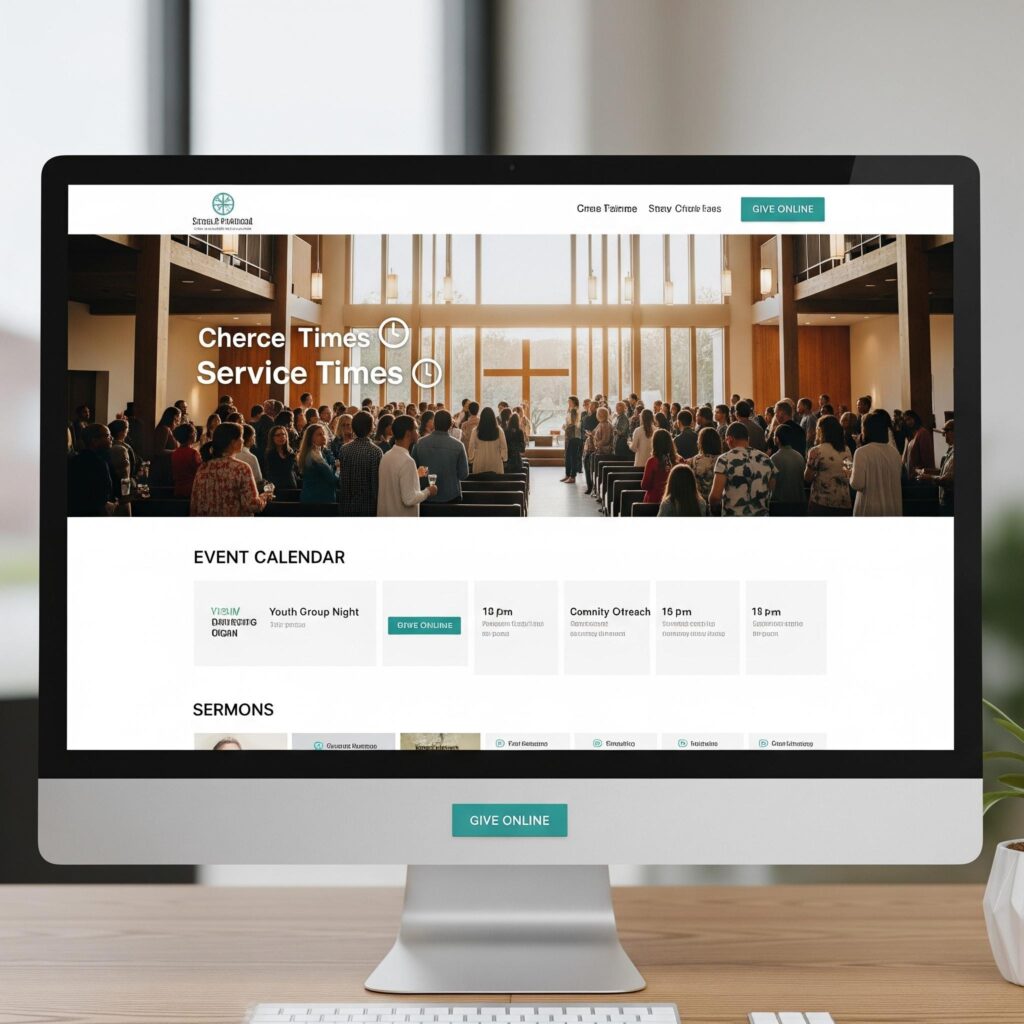
- Event Calendars: You need a simple way to display service times, Bible studies, youth group meetings, and community outreach events. An integrated calendar is essential.
- Sermon Hosting: Your message is important. A good builder will allow you to easily upload audio or video of your sermons so people can listen back or catch up if they missed a service.
- Online Donations: Making it easy for your congregation to give is crucial for supporting your ministry. Look for builders with secure, built-in donation tools.
- Contact Forms and Maps: New visitors need to know how to find you. Clear contact information and an embedded map are must-haves.
Wix: A Top Choice for Growing Churches
Wix is a top choice for small churches looking to build their online presence. With its balance of powerful features, affordability, and user-friendly design, it covers all the website essentials. It’s perfect for anyone wondering how to make a church website that will grow with your community, as it allows you to create a professional-looking site without requiring any technical expertise.
Why Wix Works for Churches
1. Simplicity is Key
Wix is famous for its intuitive drag-and-drop editor. You can see your changes in real-time. If you want to add a new photo, you simply drag it onto the page. If you need to update a service time, you just click and type. This means any volunteer, regardless of their tech background, can be trained to manage the site.
2. Beautiful, Church-Specific Templates
Getting started is often the hardest part, but Wix makes it easy with hundreds of professionally designed templates. It offers a whole category for “Religion & Non-Profit,” giving you a perfect starting point. These templates come with layouts designed for churches, including sections for your mission, upcoming events, and a photo gallery. You just add your own text and images, and you’re ready to go.
3. Features That Serve Your Ministry
Wix is more than just a simple website builder; it’s a full platform. Through the Wix App Market, you can add powerful features to your site with a single click.
- Wix Events: Create and manage all your church events in one place. You can sell tickets for special functions, collect RSVPs for free events, and send automatic reminders to attendees.
- Video & Audio Players: Easily upload your weekly sermons. You can organize them into channels, allowing your congregation to browse past messages.
- Donation Tools: Add a “Donate” button or use apps that allow for recurring tithes. Wix integrates with major payment gateways like PayPal and Stripe, making the process secure and simple.
- Blog: Share updates, devotionals, or community stories through an integrated blog. This is a great way to keep your congregation engaged throughout the week.
4. Budget-Friendly Plans
Wix offers a range of plans that can fit any budget. While you can start with a free plan to get a feel for the platform, upgrading to a premium plan is very affordable. A paid plan removes Wix ads and allows you to connect your own custom domain name (e.g., www.yourchurchname.org), which looks much more professional. Often, a premium plan will even include a free domain for the first year, providing excellent value.
Other Great Options for Small Churches
While Wix is a top contender, it’s always good to know what else is out there. Here are a few other builders that are popular with faith-based organizations.
Squarespace
Squarespace is known for its beautiful, minimalist design templates. If your church has a strong visual identity and high-quality photography, Squarespace can make your site look like it was designed by a high-end agency.
- Pros: Stunning templates and an all-in-one platform that includes excellent blogging and e-commerce tools. It also has built-in donation features.
- Cons: The editor, while powerful, has a steeper learning curve than Wix. It’s less of a “freeform” drag-and-drop and more of a structured grid system, which can feel restrictive to some users.
Tithe.ly Sites
Tithe.ly is a company that specializes in digital tools for churches, and their website builder is a core part of that. It’s designed from the ground up with a church’s needs in mind.
- Pros: It integrates perfectly with Tithe.ly’s other products, especially its popular giving platform. It includes features like sermon hosting and event management right out of the box.
- Cons: Because it’s a specialized tool, it offers less design flexibility than a platform like Wix or Squarespace. You are more locked into their way of doing things, and the templates, while functional, are not as varied.
ShareFaith
Similar to Tithe.ly, ShareFaith is another all-in-one provider for church technology. They offer a website builder as part of a larger suite that includes church graphics, kids’ curriculum, and giving software.
- Pros: The biggest benefit is the massive library of church-specific media. You get access to thousands of graphics, videos, and templates that you can use on your site and in your services.
- Cons: The website builder itself can feel a bit dated compared to more modern platforms. The pricing is also bundled, so you might end up paying for features you don’t need if you’re only looking for a website.
How to Make Your Decision
Choosing the right platform comes down to your church’s specific priorities. Ask yourself and your team these questions:
- Who will be managing the website? If it’s a group of volunteers with varying skill levels, a platform like Wix is ideal due to its ease of use.
- What is our absolute must-have feature? If it’s seamless integration with a specific giving platform you already use, a specialized builder like Tithe.ly might make sense. If it’s design flexibility, Wix or Squarespace are better choices.
- What is our long-term vision? Think about where you want to be in a few years. A platform like Wix is built to scale. You can start with a simple site and add an online store for church merchandise, a members-only area, or a booking system for counseling sessions down the road.
Your Website is Your Welcome Mat
In the end, your church website is an extension of your ministry. It’s a tool to welcome the curious, engage the congregation, and share your message with the world. You don’t need to spend a fortune or become a coding genius to create a site that beautifully represents your community.
With builders like Wix, you have everything you need to get online quickly and affordably. You can focus on what you do best—serving your people—while your website works in the background, making sure everyone feels connected and informed. Take that first step, choose a platform that feels right, and start building the digital home for your church today.