


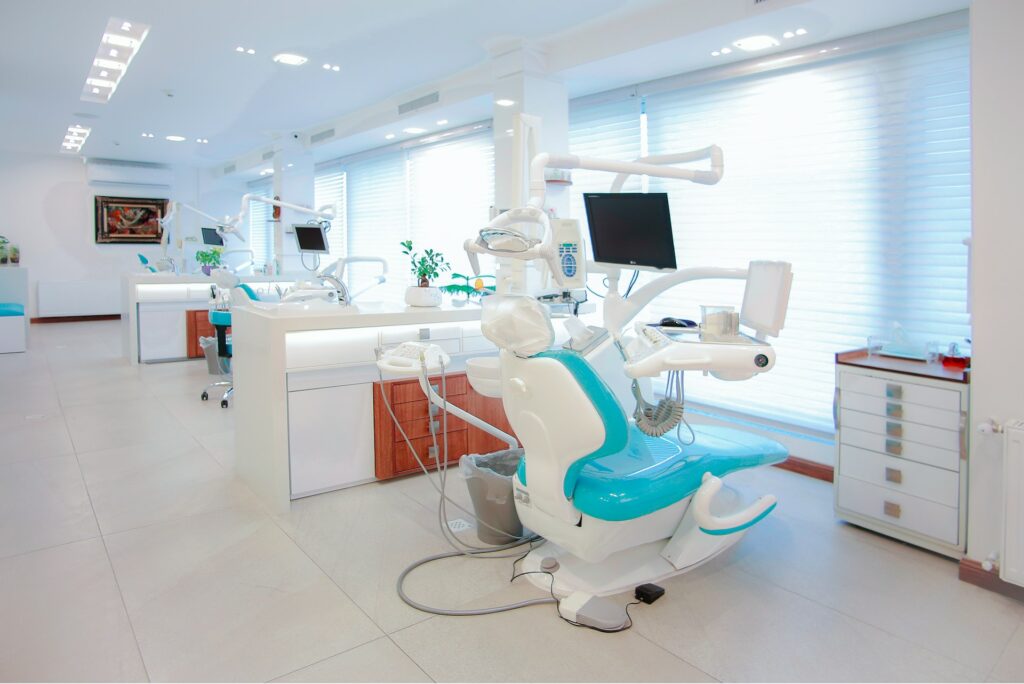
Want to know the secret to running a financially bulletproof dental practice?
Most dental clinic owners think success comes down to clinical skills and patient satisfaction. And sure, those things matter. But here’s what separates thriving practices from struggling ones:
A rock-solid financial foundation.
The problem? Most dental practice owners are brilliant clinicians but struggle with the business side of things.
That’s about to change.
What you’ll discover:
- Why Your Practice Needs Bulletproof Financial Systems
- The 5 Financial Pillars Every Dental Clinic Must Master
- How Smart Practices Are Beating Cash Flow Challenges
- Building Your Financial Safety Net (Before You Need It)
Why Your Practice Needs Bulletproof Financial Systems
Running a dental practice without proper financial systems is like performing surgery with rusty instruments.
It might work for a while, but eventually, something’s going to go wrong.
The numbers don’t lie. The average dental practice generates between $600,000 and $1.2 million annually. But here’s the kicker — single-dentist practices typically see expenses eat up around 72% of their revenue, leaving just 28% as profit.
That’s a razor-thin margin for error.
Here’s what happens when practices lack solid financial foundations:
- Cash flow shortages during slow periods
- Inability to invest in new equipment or technology
- Stress-induced decision making that hurts long-term growth
- Vulnerability to economic downturns or unexpected expenses
Smart practice owners don’t wait for problems to surface. They build resilient financial systems from day one.
The 5 Financial Pillars Every Dental Clinic Must Master
Ready to transform your practice’s financial health? Focus on these five critical areas.
Cash Flow Management: Your Practice’s Lifeblood
Cash flow is king in the dental world.
You can be profitable on paper but still struggle to make payroll if you don’t manage cash flow properly. The secret? Proactive management instead of reactive scrambling.
Effective bookkeeping for dental practices provides the financial clarity you need to make smart decisions. When you have accurate, real-time data about your cash position, you can spot problems before they become crises.
Key cash flow strategies include:
- Implementing efficient billing and collection processes
- Negotiating better payment terms with suppliers
- Maintaining emergency cash reserves
- Monitoring accounts receivable aging
The practices that master cash flow management sleep better at night. They’re prepared for anything — from equipment breakdowns to economic uncertainty.
Revenue Cycle Optimization
Your revenue cycle is the engine that powers everything else.
But most practices leave money on the table because they don’t optimize this crucial system. Think about it — every inefficiency in your revenue cycle directly impacts your bottom line.
Smart practices focus on:
- Reducing claim denials and rejections
- Speeding up insurance reimbursements
- Improving patient payment collection
- Minimizing billing errors and rework
The goal isn’t just to increase revenue. It’s to create a smooth, predictable income stream that supports sustainable growth.
Expense Control and Cost Management
Here’s something most practice owners get wrong…
They focus on increasing revenue while ignoring expense management. But controlling costs can be just as profitable as bringing in new patients.
The biggest expense categories to monitor:
- Staff salaries and benefits (typically 25-30% of overhead)
- Dental supplies and lab fees (10-15% of costs)
- Facility expenses and equipment costs
- Marketing and patient acquisition expenses
The key is finding the right balance. You want to control costs without compromising patient care or staff satisfaction.
Financial Reporting and Analysis
You can’t manage what you don’t measure.
That’s why successful practices rely on regular financial reporting and analysis. When you understand your numbers, you can make data-driven decisions instead of shooting in the dark.
Essential reports to track monthly:
- Profit and loss statements
- Cash flow statements
- Accounts receivable aging
- Key performance indicators (KPIs)
Don’t just generate reports — use them. Look for trends, identify problems early, and celebrate wins when you achieve your targets.
Tax Planning and Compliance
Tax planning isn’t just about April 15th.
Smart practice owners think about taxes year-round, using strategic planning to minimize their tax burden legally. This isn’t about cutting corners — it’s about keeping more of what you earn.
Effective tax strategies include:
- Maximizing business deductions
- Timing income and expenses strategically
- Taking advantage of equipment depreciation
- Planning for retirement contributions
The practices that excel at tax planning often save thousands of dollars annually. That’s money that can be reinvested in the practice or added to the owner’s personal wealth.
How Smart Practices Are Beating Cash Flow Challenges
Cash flow challenges are the number one threat to dental practice stability.
But here’s what the most successful practices do differently…
They treat cash flow management as a strategic priority, not an administrative afterthought.
This means implementing systems that provide real-time visibility into their financial position. They know exactly how much money is coming in, when it’s arriving, and what expenses are due.
Smart practices also maintain emergency reserves. They understand that dental practices experience seasonal fluctuations and unexpected challenges. Having cash reserves means they can weather storms without making desperate decisions.
The most effective cash flow strategies:
- Daily monitoring of key metrics
- Automated payment reminders for patients
- Negotiated payment plans for large treatments
- Multiple revenue streams beyond traditional services
The practices that master these strategies rarely experience cash flow crises. They’ve built resilient systems that adapt to changing circumstances.
Building Your Financial Safety Net (Before You Need It)
The best time to prepare for financial challenges is when everything’s going well.
That might seem counterintuitive, but it’s exactly what separates resilient practices from vulnerable ones. When times are good, that’s when you should be building your financial safety net.
Your financial safety net should include:
- Emergency cash reserves (3-6 months of operating expenses)
- Lines of credit for unexpected opportunities or challenges
- Professional relationships with financial advisors and CPAs
- Regular financial health checkups and planning sessions
Don’t wait until you’re facing a crisis to build these safeguards. The practices that prepare in advance are the ones that thrive during difficult times.
Wrapping Up The Blueprint
Building a resilient financial foundation isn’t complicated, but it does require commitment and the right systems.
The dental practices that succeed long-term all have one thing in common — they treat financial management as seriously as patient care. They understand that strong finances enable better patient outcomes and create opportunities for growth.
Remember these key points:
- Cash flow management is your practice’s lifeblood
- Revenue cycle optimization directly impacts profitability
- Expense control is just as important as revenue growth
- Regular financial reporting enables smart decision making
- Tax planning saves money that can fuel practice growth
The choice is yours. You can continue treating financial management as a necessary evil, or you can embrace it as the foundation for everything you want to achieve.