

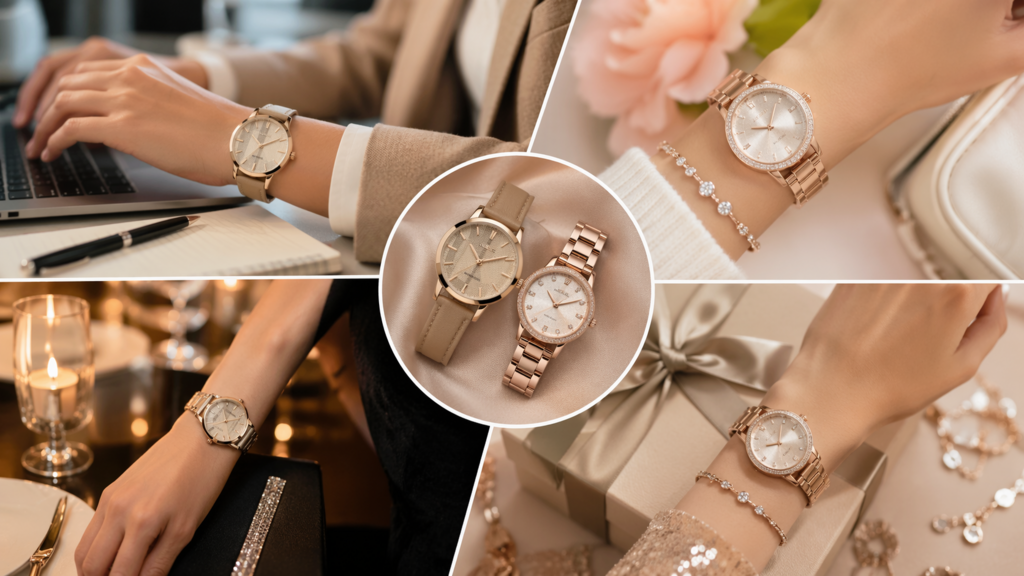
Choosing the right watch is no longer just about telling time—it’s about communicating personal style, adapting to social settings, and balancing practicality with aesthetics. When comparing a Burberry watch with Swarovski watches, the distinction often comes down to understated sophistication versus expressive elegance. Each offers unique styling opportunities, but using them effectively requires an understanding of occasion, outfit coordination, and the trade-offs between subtlety and statement-making.
This guide explores how to style these two distinct watch categories across different occasions, while also examining the factors that influence decision-making—from versatility and comfort to long-term value and personal identity.
Understanding the Style DNA
Before diving into specific occasions, it’s important to recognize what each brand represents in a lifestyle context.
A Burberry timepiece typically reflects British heritage—clean lines, neutral tones, and a refined, minimal aesthetic. It’s designed to complement rather than dominate an outfit. This makes it particularly appealing for professionals and individuals who prefer timeless fashion.
On the other hand, Swarovski timepieces are rooted in visual brilliance. Known for crystal embellishments and eye-catching designs, they tend to function as both a watch and a piece of jewelry. This dual purpose makes them especially popular for social events, evening wear, and expressive fashion choices.
The challenge lies in knowing when to prioritize restraint and when to embrace visual impact.
Office and Professional Settings
In professional environments, the goal is to project competence, confidence, and attention to detail without appearing overly flashy.
A minimalist timepiece with a leather or metal strap works seamlessly with business attire. It aligns well with tailored suits, formal shirts, and structured dresses. The understated design avoids distractions while subtly reinforcing a polished image.
Crystal-embellished designs, however, introduce a different dynamic. While they can still be worn in the workplace, they require careful styling. Pairing them with neutral outfits—such as monochrome dresses or muted blazers—can help balance their shine. The key trade-off here is between individuality and professionalism. While a more decorative piece may express personality, it can also risk appearing too bold in conservative environments.
Another factor to consider is workplace culture. Creative industries often allow more flexibility, making decorative accessories more acceptable. In contrast, corporate settings may favor classic, low-profile designs.
Casual and Everyday Wear
Casual styling offers the most flexibility, allowing both types of watches to shine in different ways.
A classic wristwatch pairs effortlessly with denim, chinos, and relaxed shirts. Its versatility makes it suitable for daily wear, whether running errands or meeting friends. It doesn’t demand attention, which makes it easy to integrate into a wide range of outfits.
Crystal-accented watches, on the other hand, can elevate even the simplest casual look. A basic outfit—such as jeans and a plain top—can instantly feel more refined with the addition of a sparkling accessory. However, the trade-off here is practicality. Highly decorative designs may feel excessive for routine activities or less comfortable for extended wear.
Durability is another consideration. Everyday use exposes accessories to more wear and tear, so simpler designs often prove more resilient over time.
Evening Events and Formal Occasions
Evening settings—such as dinners, parties, or formal gatherings—are where styling choices become more expressive.
A minimalist watch can still work in these scenarios, especially when paired with elegant attire. It contributes to a refined, understated look that appeals to those who prefer subtle sophistication. However, it may not stand out in environments where bold fashion choices are common.
In contrast, crystal-embellished watches thrive in evening settings. Their reflective surfaces catch light beautifully, making them ideal for dimly lit environments. When paired with cocktail dresses or formal gowns, they enhance the overall glamour of the outfit.
The trade-off here is between cohesion and statement. While a decorative piece can elevate an outfit, it must be coordinated carefully with other accessories. Overloading on jewelry can create visual clutter, while too little can make the watch feel out of place.
Special Occasions and Celebrations
Events such as weddings, anniversaries, and festive gatherings often call for more intentional styling.
For traditional or formal ceremonies, a classic timepiece complements structured attire and maintains a timeless appeal. It works particularly well when the focus is on elegance rather than trend-driven fashion.
Decorative watches, however, are often chosen for their celebratory feel. Their brilliance aligns with the festive atmosphere, making them a popular choice for events where visual impact matters.
One challenge in these situations is balancing personal style with event expectations. For example, a highly embellished accessory may suit a glamorous evening reception but feel excessive at a daytime ceremony. Understanding the tone of the event is crucial in making the right choice.
Travel and Versatility
When traveling, practicality becomes a key factor. Limited luggage space often requires selecting accessories that can adapt to multiple scenarios.
A versatile watch with a neutral design can transition بسهولة from day to night, making it an efficient choice for travelers. It pairs well with both casual and semi-formal outfits, reducing the need for multiple accessories.
A more decorative option, while visually appealing, may not offer the same level of flexibility. It might be perfect for evenings but less suitable for daytime exploration or outdoor activities.
The trade-off here is between versatility and specialization. A single adaptable piece simplifies packing, while a more expressive design enhances specific moments.
Seasonal Styling Considerations
Seasonal changes also influence how watches are styled.
During colder months, layered clothing and darker tones dominate. A classic watch with a leather strap complements this aesthetic, blending seamlessly with coats and knitwear.
In warmer seasons, lighter fabrics and brighter colors take center stage. This creates an opportunity for more expressive accessories. Crystal-accented designs pair well with summer dresses, short sleeves, and open necklines, where they can be more visible.
The challenge lies in maintaining balance. Seasonal styling should enhance comfort and practicality while still reflecting personal taste.
Balancing Functionality and Aesthetics
One of the most important considerations when choosing between different watch styles is the balance between function and appearance.
Minimalist designs often prioritize readability, comfort, and durability. They are easier to maintain and more suitable for long-term use. However, they may lack the visual impact that some individuals seek.
Decorative watches, while visually striking, may sacrifice some practicality. Features like crystal embellishments can make them more delicate, requiring careful handling. They may also be less suitable for physically demanding activities.
This trade-off highlights the importance of aligning watch choice with lifestyle needs. A highly active individual may prioritize durability, while someone focused on fashion may value aesthetic appeal more.
Personal Identity and Style Expression
Watches are deeply personal accessories. They often reflect individual identity, preferences, and lifestyle choices.
A classic timepiece suggests a preference for tradition, simplicity, and timeless elegance. It communicates reliability and consistency.
A more decorative design, on the other hand, signals creativity, confidence, and a willingness to stand out. It becomes a focal point rather than a supporting element.
The challenge is ensuring that the chosen style aligns with one’s overall wardrobe and personality. A mismatch can make even a high-quality accessory feel out of place.
Decision-Making: Key Factors to Consider
When deciding how to style different types of watches, several factors come into play:
- Occasion: Formal, casual, or celebratory settings each demand different levels of subtlety and expression.
- Outfit Coordination: The watch should complement, not compete with, clothing and other accessories.
- Comfort and Practicality: Daily wear requires durability and ease of use.
- Versatility: Some designs transition better across multiple settings.
- Personal Style: Individual preferences ultimately guide the final choice.
Balancing these factors often involves trade-offs. A highly versatile watch may lack distinctiveness, while a bold design may be limited in its applications.
Common Challenges in Styling
Styling watches effectively is not without its challenges.
One common issue is over-accessorizing. Pairing a decorative watch with multiple statement pieces can create visual clutter. Conversely, under-accessorizing can make a bold watch feel disconnected from the outfit.
Another challenge is context awareness. Wearing a highly embellished accessory in a conservative setting may appear inappropriate, while a minimalist design might feel underwhelming at a glamorous event.
Finally, there is the issue of longevity. Trend-driven designs may lose appeal over time, while classic styles tend to remain relevant. This makes long-term value an important consideration.
Wrapping Up
Styling watches for different occasions involves more than simply matching colors or materials. It requires an understanding of context, personal style, and the trade-offs between subtlety and statement-making.
A classic, understated watch offers versatility, durability, and timeless appeal, making it suitable for professional and everyday settings. In contrast, a more decorative, crystal-accented design brings visual impact and elegance, making it ideal for social and celebratory occasions.
Ultimately, the best approach is not to choose one over the other, but to understand how each fits into different aspects of life. By considering occasion, outfit, and personal preferences, individuals can make informed decisions that enhance both style and functionality.
In a world where fashion is increasingly tied to self-expression, the ability to adapt accessories to different settings is a valuable skill. Whether aiming for subtle sophistication or eye-catching elegance, thoughtful styling ensures that a watch becomes more than just an accessory—it becomes an integral part of one’s lifestyle.