

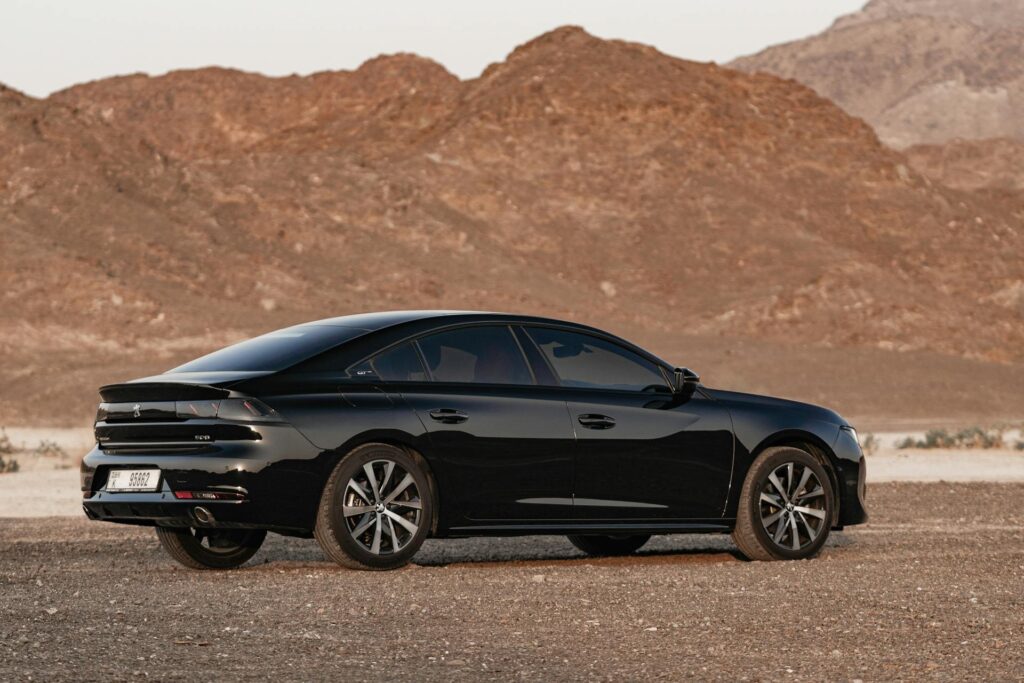
Buying a used car in Dubai can be a smart and cost-effective decision. The city offers a wide range of vehicles, from economical daily drivers to luxury cars at competitive prices. However, for first-time buyers, the process can feel confusing if you are unfamiliar with local rules, market practices, and common risks.
Therefore, before you make a purchase, it is essential to understand a few key points. This beginner-friendly guide explains 5 things to know before buying a used car in Dubai, helping you avoid costly mistakes and make a confident, informed decision.
1. Understand the Used Car Market in Dubai
Before anything else, you should understand how the used car market works in Dubai. Unlike many other cities, Dubai has a highly active car resale market due to frequent expatriate relocation and regular vehicle upgrades.
Why Dubai’s Used Car Market Is Unique
First, many cars in Dubai are well maintained because owners often service them at authorized workshops. Second, vehicles are commonly sold after a few years, which means buyers can find relatively new models at reduced prices. As a result, the market offers excellent variety and value.
However, because demand is high, not every deal is genuine. Some sellers may hide issues or inflate prices. Therefore, understanding the market helps you set realistic expectations and avoid rushed decisions.
You can explore reliable dealerships such as Malik Motors Used Cars in UAE to compare options, check available inventory, and understand current market pricing trends before making a final decision.
2. Always Check the Vehicle History and Condition
One of the most important steps before buying a used car in Dubai is checking its history and physical condition. Skipping this step can lead to expensive repairs later.
Vehicle History Report
You should always request a vehicle history report. This report can reveal:
- Accident history
- Flood or damage records
- Previous ownership details
Since some cars may be imported or repaired after accidents, verifying history protects you from hidden risks.
Professional Inspection
In addition, arrange a professional inspection. Even if a car looks clean and drives smoothly, underlying mechanical or electrical issues may exist. A trusted mechanic can identify problems related to the engine, transmission, suspension, or electronics.
By combining history checks and inspections, you significantly reduce the risk of buying a problematic vehicle.
3. Know the Legal and Registration Requirements
Another crucial factor to understand is the legal process involved in buying a used car in Dubai. The transfer of ownership must follow official procedures.
Ownership Transfer Process
All used car ownership transfers are handled through RTA. Both buyer and seller must complete the transfer at an authorized center.
You will need:
- Emirates ID
- Valid UAE driving license
- Vehicle insurance
- Passing vehicle inspection
Without completing these steps, the car cannot be legally registered in your name.
Outstanding Fines or Loans
Before finalizing the purchase, ensure the car has no unpaid fines or bank loans. Any outstanding liabilities must be cleared by the seller. Otherwise, you may face delays or legal complications.
Understanding these requirements early saves time and prevents unexpected problems.
4. Compare Prices and Understand Total Costs
Price comparison is essential when buying a used car in Dubai. Many beginners focus only on the asking price, but total ownership cost matters just as much.
Market Price Comparison
Check multiple listings for the same model and year. This helps you identify:
- Overpriced listings
- Deals that seem too cheap to be true
- Fair market value
By comparing prices, you strengthen your negotiation position.
Additional Ownership Costs
In addition to the purchase price, consider:
- Registration and transfer fees
- Insurance costs
- Maintenance and servicing
- Fuel consumption
Some luxury or high-performance vehicles may appear affordable upfront but cost significantly more to maintain. Therefore, evaluating total costs ensures long-term affordability.
5. Choose the Right Seller and Payment Method
Finally, deciding where and how to buy the car is just as important as choosing the car itself.
Dealers vs Private Sellers
Both options have advantages. Dealers often provide:
- Warranty options
- Assistance with paperwork
- Inspected vehicles
On the other hand, private sellers may offer lower prices. However, private transactions require extra caution and verification.
Safe Payment Practices
Always use secure payment methods. Avoid paying cash without proper documentation. Ensure you receive:
- A signed sale agreement
- Transfer confirmation
- Official receipts
These documents protect your rights and prove ownership.
Additional Tips for First-Time Buyers in Dubai
To further simplify the process, keep these practical tips in mind:
- Do not rush the decision
- Test drive the car in different conditions
- Ask clear questions about maintenance history
- Avoid emotional purchases
Taking your time often leads to better deals and fewer regrets.