
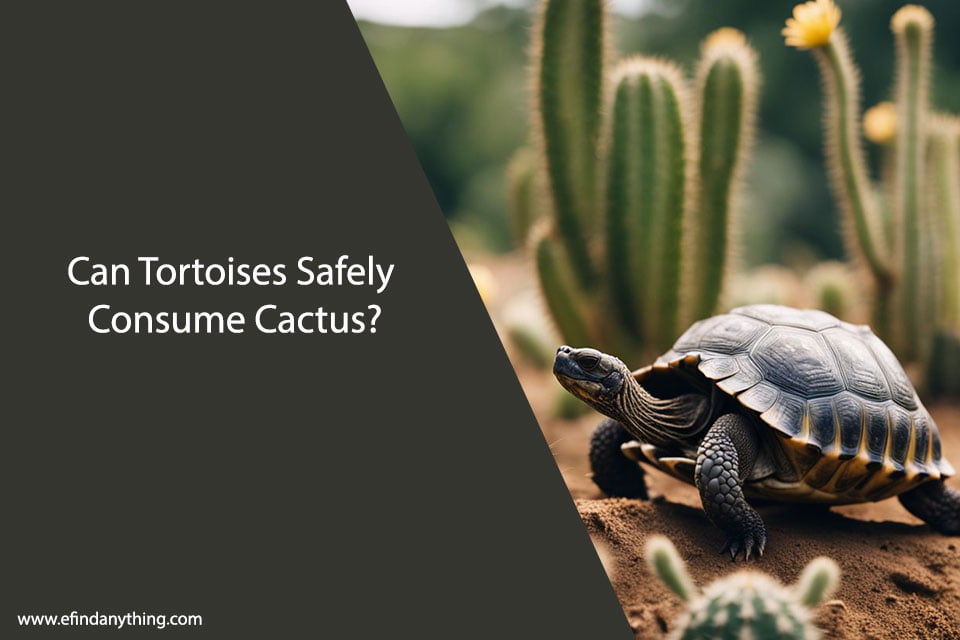
Tortoises are known for their herbivorous diet, which mainly includes a variety of vegetables and fruits. However, many tortoise owners wonder if their pet can eat cactus. Cactus is a unique plant that is commonly found in arid regions and can be a good source of nutrients. In this article, we will explore whether tortoises can eat cactus and if it is a suitable addition to their diet.
Cactus is a popular food for many animals, including some reptiles. However, not all types of cactus are safe for tortoises to eat. Some species of cactus have spines or thorns that can cause injury or irritation to the tortoise’s mouth and digestive system. Additionally, some species of cactus contain toxic compounds that can be harmful to tortoises. We will discuss which types of cactus are safe for tortoises to eat and which should be avoided.
Understanding Tortoises’ Dietary Needs
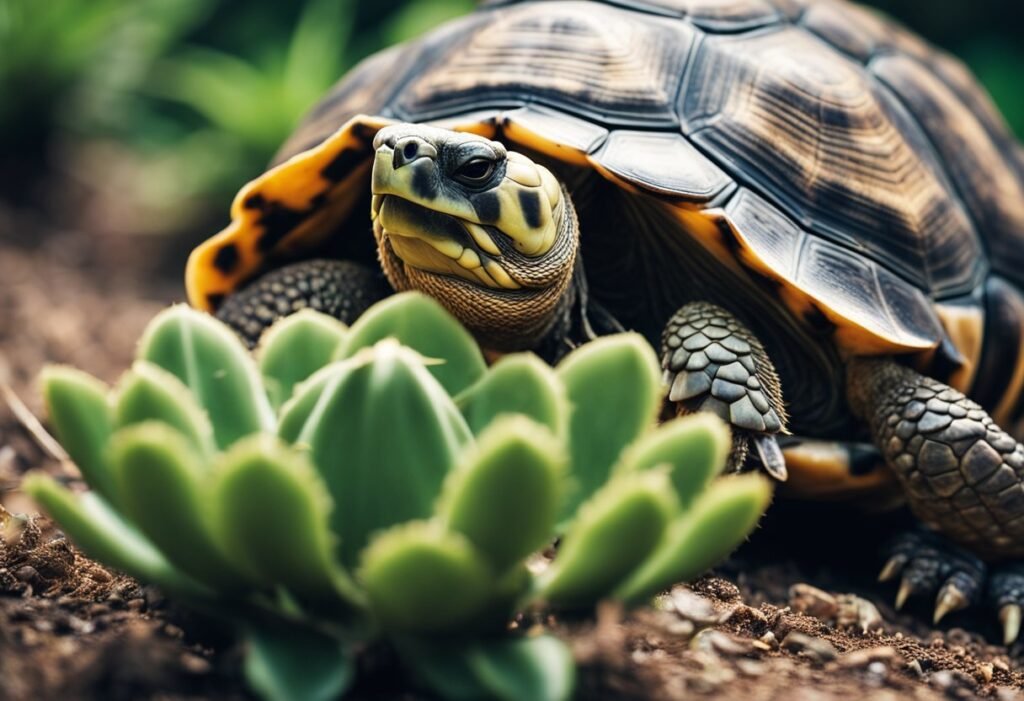
Tortoises are herbivores, meaning they eat only plants. They have evolved to eat a wide variety of plants, which makes it easy to provide them with a balanced diet. However, it is important to understand their dietary needs to ensure they stay healthy.
Tortoises need a diet that is high in fiber and low in protein. They also need a good balance of calcium and phosphorus. Calcium is important for strong bones and a healthy shell, while phosphorus helps with digestion and metabolism.
In the wild, tortoises eat a variety of plants, including grasses, weeds, and wildflowers. They also eat fruits and vegetables when they are available. However, not all plants are safe for tortoises to eat. Some plants can be toxic and cause health problems.
When feeding your tortoise, it is important to provide a variety of foods to ensure they get all the nutrients they need. You can feed them a mix of dark leafy greens, vegetables, and fruits. Some good options include:
- Kale
- Collard greens
- Mustard greens
- Dandelion greens
- Squash
- Carrots
- Apples
- Berries
It is also important to provide your tortoise with a source of calcium. You can do this by dusting their food with calcium powder or providing them with cuttlebone or a calcium block.
In summary, understanding your tortoise’s dietary needs is important for keeping them healthy. Providing a variety of plants, fruits, and vegetables, and ensuring they have a source of calcium will help keep your tortoise happy and healthy.
Can Tortoises Eat Cactus
We often wonder if tortoises can eat cactus, and the answer is yes, they can. Cactus is a great source of hydration for tortoises, especially during hot summer months when water is scarce. However, there are certain things to keep in mind before feeding your tortoise cactus.
Firstly, make sure to remove all the spines from the cactus pads before feeding them to your tortoise. The spines can cause serious harm to your tortoise’s mouth and digestive system. You can use a knife or a pair of tongs to remove the spines.
Secondly, while cactus is a great source of hydration, it should not be the only source of food for your tortoise. Tortoises need a balanced diet that includes a variety of foods, including leafy greens, vegetables, and fruits.
Lastly, not all species of cactus are safe for tortoises to eat. Some species of cactus contain toxic compounds that can cause harm to your tortoise. It is important to do your research and make sure the cactus you are feeding your tortoise is safe for them to eat.
In summary, tortoises can eat cactus, but it should not be the only source of food for them. Make sure to remove all the spines before feeding your tortoise, and do your research to ensure the cactus is safe for them to eat.
Benefits of Cactus in Tortoises’ Diet

Cactus is a great addition to a tortoise’s diet for several reasons. In this section, we will discuss the nutritional value and hydration benefits of cactus for tortoises.
Nutritional Value
Cactus is a great source of nutrients for tortoises. It contains high levels of fiber, which is essential for healthy digestion. It is also rich in vitamins and minerals, including vitamin C, magnesium, and potassium. These nutrients are important for maintaining a healthy immune system, strong bones, and overall good health.
Hydration Source
Cactus is an excellent source of hydration for tortoises, especially in dry climates. It is made up of over 90% water, which can help keep your tortoise hydrated and prevent dehydration. This is especially important during hot summer months when tortoises are at risk of heat stroke.
In conclusion, adding cactus to your tortoise’s diet can provide many benefits, including essential nutrients and hydration. However, it is important to note that cactus should not be the sole source of nutrition for your tortoise and should be given in moderation. As always, consult with your veterinarian before making any changes to your pet’s diet.
Potential Risks and Precautions
When feeding tortoises cactus, it is important to be aware of the potential risks and take necessary precautions to ensure the health and safety of your pet.
Thorns and Spines
Cacti are known for their sharp thorns and spines, which can cause injury to tortoises if not properly removed. Before feeding cactus to your tortoise, make sure to remove all thorns and spines by cutting them off with scissors or a knife. Be sure to wear gloves to protect your hands from injury.
Toxic Plants
While some species of cactus are safe for tortoises to eat, others can be toxic and cause harm. It is important to research the specific type of cactus you plan to feed your tortoise and ensure that it is safe for consumption. Additionally, be cautious when feeding your tortoise cactus that has been sprayed with pesticides or other chemicals.
In summary, while cactus can be a nutritious addition to a tortoise’s diet, it is important to be aware of the potential risks and take necessary precautions to ensure the health and safety of your pet. Always remove thorns and spines before feeding cactus and research the specific type of cactus to ensure that it is safe for consumption.
How to Feed Cactus to Tortoises
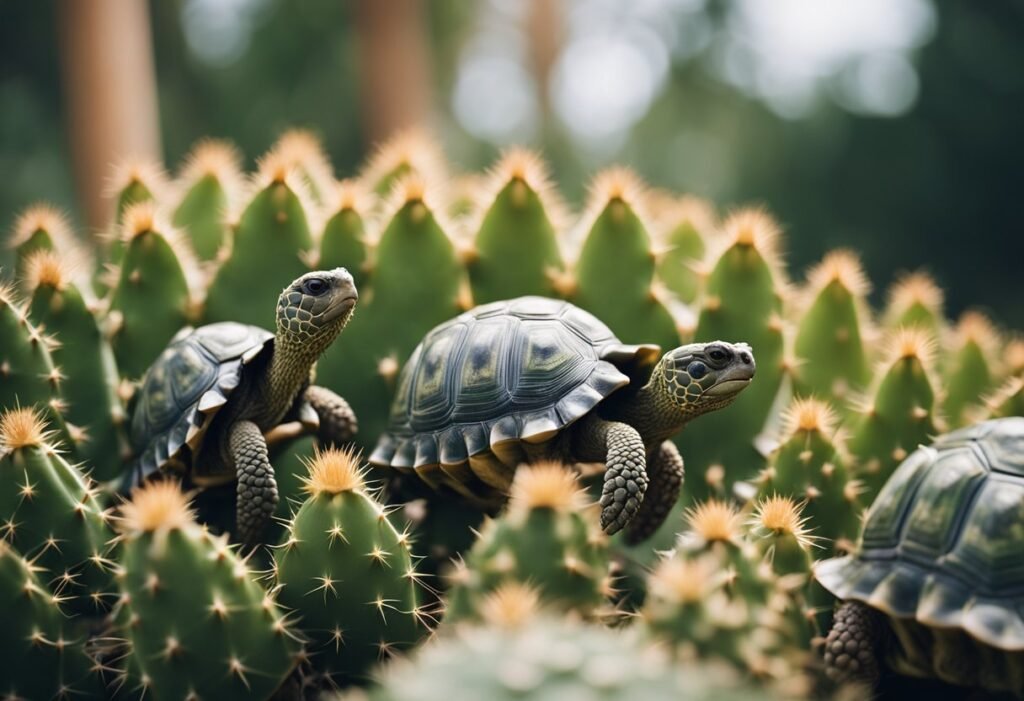
Feeding cactus to tortoises is a great way to provide them with a variety of nutrients. However, it’s important to prepare the cactus properly and feed it in the right portion size.
Preparation
Before feeding cactus to your tortoise, make sure to remove all the thorns. You can use a pair of tongs or gloves to handle the cactus. Rinse the cactus under running water to remove any dirt or debris. Then, cut the cactus into small pieces that are easy for your tortoise to eat.
Portion Size
When feeding cactus to your tortoise, it’s important to do so in moderation. Too much cactus can cause digestive issues. A good rule of thumb is to feed your tortoise a small amount of cactus once or twice a week. The portion size should be no larger than the size of your tortoise’s head.
In summary, feeding cactus to tortoises can be a healthy addition to their diet. Just remember to prepare the cactus properly and feed it in moderation.
Alternatives to Cactus in Tortoises’ Diet
When it comes to feeding tortoises, cactus is often considered a staple food. However, there are several other options that can be included in their diet. Here are some alternatives to cactus that can provide your tortoise with the necessary nutrients:
- Leafy Greens: Dark, leafy greens such as kale, collard greens, and mustard greens are excellent sources of calcium and vitamin A. These nutrients are essential for maintaining healthy bones and eyesight in tortoises.
- Hay: Timothy hay and alfalfa hay can be fed to tortoises to provide them with fiber and roughage. This can help prevent digestive problems and keep their gut healthy.
- Vegetables: Vegetables such as carrots, squash, and sweet potatoes can be cooked and fed to tortoises. These vegetables are rich in vitamins and minerals that are important for their overall health.
- Fruits: Fruits such as apples, bananas, and strawberries can be fed to tortoises as an occasional treat. These fruits are high in sugar, so they should be given in moderation.
It’s important to note that tortoises have specific dietary requirements that must be met in order for them to thrive. A balanced diet that includes a variety of foods is key to keeping your tortoise healthy.
Frequently Asked Questions

What types of cactus are safe for tortoises to eat?
Not all cacti are safe for tortoises to eat. However, the pads of the prickly pear cactus are safe and nutritious for tortoises. Make sure to remove all spines and prickles before feeding it to your tortoise.
Are there any risks to feeding my tortoise cactus?
Feeding your tortoise too much cactus can cause diarrhea or other digestive problems. Additionally, some cacti are toxic and can be harmful or even fatal to your tortoise. Always research the specific type of cactus before feeding it to your tortoise.
How often should I feed my tortoise cactus?
Cactus should be fed to your tortoise in moderation, as a treat or supplement to their regular diet. Once or twice a week is sufficient.
Can cactus be a regular part of a tortoise’s diet?
While cactus can be a nutritious addition to your tortoise’s diet, it should not be the sole source of their nutrition. Tortoises require a varied diet that includes leafy greens, vegetables, and fruits.
What other foods should I feed my tortoise besides cactus?
Tortoises require a varied diet that includes leafy greens, vegetables, and fruits. Some safe options include dandelion greens, collard greens, kale, carrots, and strawberries.
What are the benefits of feeding my tortoise cactus?
Cactus is a good source of hydration, vitamins, and minerals for your tortoise. It can also help with digestion and promote healthy bowel movements. However, it should be fed in moderation and as part of a balanced diet.