

Dandelions are one of those plants that split people right down the middle. Half the world sees a weed that ruins a perfectly good lawn, while the other half sees a free salad, a medicinal herb, or a cheerful burst of yellow in an otherwise boring yard. The truth is, dandelions are all of those things at once, and how you deal with them depends entirely on your goals. Whether you’re a gardener who wants to grow specific dandelion varieties for culinary use, or a homeowner desperately trying to reclaim your turf, understanding the seeds themselves is where everything starts. This guide covers the different types of dandelion seeds, their practical uses, and the most effective ways to control them when they show up uninvited. Knowing what you’re working with makes every decision easier, from planting to pulling to spraying. The humble dandelion seed, that tiny parachute-like structure kids love to blow into the wind, is one of nature’s most efficient colonizers. A single plant can produce over 2,000 seeds per season, and each one is built to travel. That’s either exciting or terrifying, depending on which side of the fence you’re on.
What Are Dandelion Seeds
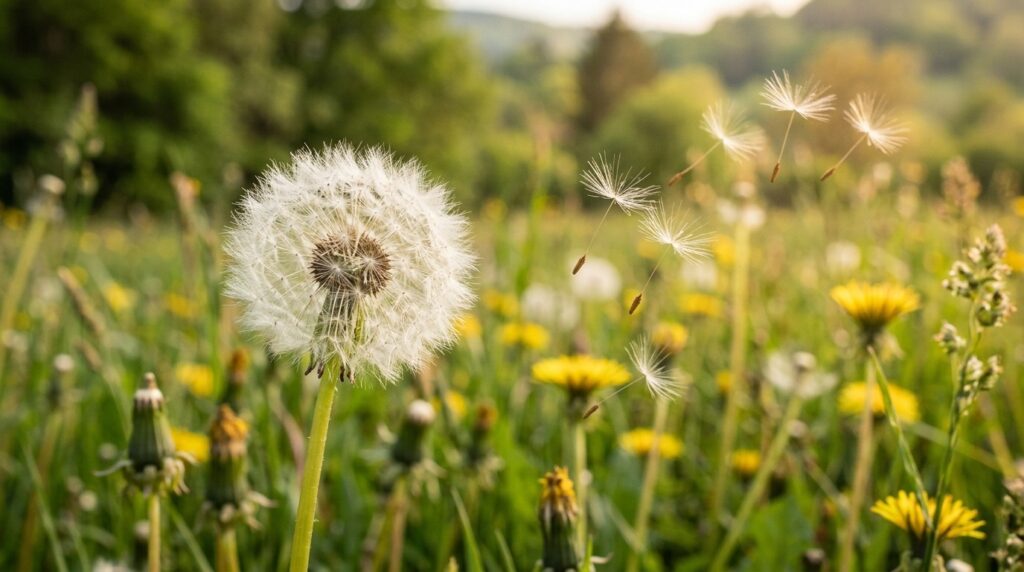
Dandelion seeds are the reproductive units of plants in the Taraxacum genus. Each seed is attached to a fine, feathery structure called a pappus, which acts like a parachute, allowing wind dispersal over remarkable distances. A single seed head, that familiar white puffball, can contain anywhere from 50 to 175 individual seeds, each ready to take flight with even the lightest breeze.
What Are Common Dandelion Seeds
The most widespread species is Taraxacum officinale, commonly known as the common dandelion. Its seeds are small, roughly 2-3 millimeters long, with a brownish, ridged exterior. They don’t require pollination from another plant to form viable seeds, a process called apomixis, which means a single dandelion can populate an entire area without any help. This self-sufficiency is a major reason why common dandelion seeds are found in virtually every temperate climate on the planet.
How Dandelion Seeds Spread Naturally
Wind is the primary vehicle. Studies have shown that dandelion seeds can travel over 100 kilometers under ideal conditions, though most land within a few meters of the parent plant. The pappus structure creates a vortex of air above the seed, generating lift that keeps it aloft far longer than its weight would suggest. Beyond wind, seeds hitch rides on animals, shoes, lawnmower blades, and even flowing water. If you’ve ever mowed a lawn full of dandelion puffballs, you’ve essentially turned your mower into a seed distribution machine.
Differences Between Wild and Cultivated Varieties
Wild dandelions are the ones you find in lawns, roadsides, and meadows. They’re genetically diverse and adapted to survive harsh conditions, poor soil, drought, and foot traffic. Cultivated varieties, on the other hand, have been selectively bred for specific traits. Some produce larger, more tender leaves for salads. Others have been developed for deeper taproots, which are dried and used as a coffee substitute. The seeds themselves look nearly identical, but the plants they produce can differ significantly in leaf shape, bitterness, and overall size.
Types of Dandelion Seeds to Know
Not all dandelion seeds are created equal. If you’re buying seeds intentionally, you’ll encounter several distinct varieties, each with different strengths. The choice matters more than most people realize, especially if you’re growing dandelions for food.
Common Dandelion Seeds in Lawns
The seeds you find naturally in your lawn are almost always Taraxacum officinale. These are the generalists of the dandelion world: tough, prolific, and not particularly concerned with soil quality. They germinate quickly, sometimes within 10 days of landing on bare soil, and establish deep taproots that can extend 6 to 18 inches underground. This is what makes them so persistent and so hard to remove once established. If you’re not intentionally growing dandelions, these are the seeds you’re fighting against.
Italiko Red Dandelion Seeds Explained
Italiko Red Dandelion Seeds are a cultivated Italian variety prized for culinary use. The leaves have distinctive red-tinged ribs and a slightly bitter, chicory-like flavor that works beautifully in salads and sautéed dishes. Unlike wild dandelions, this variety has been bred for leaf quality rather than survival resilience. The leaves are longer, more uniform, and less tough than their wild cousins. If you’ve eaten dandelion greens at an Italian restaurant, there’s a good chance they came from this or a similar cultivated variety. Seeds are available from specialty garden suppliers and typically germinate in 7 to 14 days.
Choosing the Right Dandelion Seeds
Your purpose dictates your choice. For salad greens, go with a cultivated variety like Italiko Red or Ameliore. For herbal medicine or root tea, common dandelion seeds work perfectly since their taproots are robust and packed with inulin. If you’re foraging rather than planting, you already have common dandelion seeds everywhere, so there’s nothing to buy. One practical tip: always check the seed packet for germination rates. Reputable suppliers list this information, and anything above 80% is solid.
Types of Dandelion Seeds to Know
Understanding seed types also means knowing how to identify what’s already growing in your space. This matters for both gardeners who want to encourage specific varieties and homeowners trying to target their control efforts.
Common Dandelion Seeds in Lawns
Lawn dandelions thrive in compacted, nutrient-poor soil, which is why they’re often a sign that your lawn needs attention beyond just weed removal. They prefer full sun but tolerate partial shade. The seeds germinate best when soil temperatures reach about 50°F (10°C), which is why you see the first flush of dandelions in early spring. A thick, healthy lawn is actually the best defense against these seeds taking hold, because they need bare soil or thin turf to establish successfully.
Italiko Red Dandelion Seeds Explained
Growing Italiko Red dandelions is straightforward if you treat them like lettuce. They prefer cooler weather, bolt quickly in summer heat, and benefit from consistent moisture. Space plants about 8 inches apart and harvest outer leaves when they reach 6 to 8 inches long. The red coloring intensifies in cooler temperatures, making fall harvests particularly striking. These seeds cost more than generic dandelion seed packets, typically $3 to $5 for enough to plant a 10-foot row, but the culinary payoff justifies the expense.
Choosing the Right Dandelion Seeds
Consider your climate and growing conditions. Cultivated varieties are less forgiving than wild types. They need better soil, more consistent watering, and protection from extreme heat. Wild dandelion seeds, meanwhile, will grow almost anywhere. If you’re new to growing dandelions intentionally, start with common seeds. They’re forgiving, fast-growing, and the leaves are perfectly edible when harvested young. You can always graduate to specialty varieties once you’ve got the basics down.
Growing Dandelion from Seeds
Growing dandelions on purpose might sound odd to anyone who has spent years trying to eliminate them, but intentional cultivation is gaining popularity among home gardeners and herbalists. The process is simple, and the results are surprisingly rewarding.
How to Plant Dandelion Seeds
Scatter seeds directly on the soil surface and press them lightly. Dandelion seeds need light to germinate, so don’t bury them. Keep the soil consistently moist but not waterlogged. Germination typically happens within 7 to 14 days. You can start seeds indoors 4 to 6 weeks before the last frost, or direct sow in early spring or late summer. Thin seedlings to 6 to 8 inches apart once they develop their first true leaves.
Soil and Sunlight Requirements
Dandelions prefer full sun, at least 6 hours daily, but they’ll tolerate partial shade. Soil pH between 6.0 and 7.5 is ideal. While wild dandelions thrive in poor soil, cultivated varieties produce better leaves in soil amended with compost. Good drainage matters: dandelions develop deep taproots that rot in waterlogged conditions. A raised bed with loose, well-draining soil gives you the best leaf production and the healthiest roots for harvesting.
Harvesting Dandelion Leaves and Roots
Harvest leaves when they’re young and tender, typically 4 to 6 inches long. Older leaves become increasingly bitter, though blanching or sautéing with garlic and olive oil tames the flavor. For roots, wait until the fall of the first year or the spring of the second year, when the root has stored the most inulin and nutrients. Dig carefully with a garden fork to extract the full taproot. Roots can be dried, roasted, and ground into a caffeine-free coffee alternative that tastes remarkably like the real thing, with a nutty, slightly caramel quality.
Managing Dandelion Growth in Lawns
For every person growing dandelions intentionally, there are a hundred trying to get rid of them. Effective management starts with understanding why they’re so successful in the first place.
Why Dandelion Seeds Spread Quickly
Three factors make dandelions exceptional colonizers. First, each plant produces up to 2,000 seeds annually, and those seeds remain viable in the soil for over 5 years. Second, the pappus dispersal system is incredibly efficient. Third, dandelions don’t need cross-pollination, so a single plant can establish an entire population. Add in the fact that mowing at the wrong height actually encourages dandelion growth by thinning the surrounding grass, and you’ve got a plant that exploits every weakness in your lawn care routine.
Methods to Control Dandelion Growth
The most effective control is a healthy, dense lawn. Mow at 3 to 4 inches, fertilize appropriately, and overseed thin areas in fall. Hand-pulling works for small infestations, but you must remove the entire taproot. Any fragment left behind will regenerate. A dandelion weeding tool, basically a long forked blade, helps extract the root intact. For larger areas, pre-emergent herbicides applied in early spring can prevent seed germination, though they won’t affect established plants.
When to Use Dandelion Weed Killer
Chemical control makes sense when manual methods aren’t practical, like when dandelions have colonized a large lawn area. The best time to apply dandelion weed killer is in the fall, when plants are actively pulling nutrients down into their roots. Herbicide applied during this period gets transported deep into the taproot, killing the entire plant rather than just the leaves. Spring applications work, but fall treatments are roughly 20% more effective, according to university extension research.
Dandelion Weed Killer Options
If you’ve decided chemical or targeted control is necessary, you have several options ranging from kitchen-cupboard solutions to professional-grade products.
Types of Dandelion Weed Killers
Broadleaf herbicides containing 2,4-D, dicamba, or MCPP are the most common options. These target dandelions without harming most grass species. Spot treatments using a pump sprayer give you precision, while granular weed-and-feed products cover entire lawns. Glyphosate-based products kill everything they touch, so they’re only appropriate for areas where you don’t care about preserving grass, like gravel paths or fence lines.
Natural vs Chemical Weed Control
Vinegar-based herbicides (with 20% acetic acid, not household vinegar at 5%) burn dandelion foliage on contact but rarely kill the root. They cost roughly $15 to $25 per gallon. Corn gluten meal works as a natural pre-emergent, preventing seed germination when applied at 20 pounds per 1,000 square feet. It costs about $30 to $50 per bag for a 2,500-square-foot area. Chemical herbicides are cheaper per application and more reliably effective, but they carry environmental concerns, particularly for pollinators. Dandelions are one of the first food sources for bees in spring, so timing your control efforts after peak bloom can reduce ecological impact.
Tips for Effective Weed Management
Apply herbicides on calm, dry days when temperatures are between 60°F and 85°F. Wind causes drift that damages nearby plants. Rain within 24 hours washes the product away before absorption. Water your lawn the day before application so dandelions are actively growing and their stomata are open. For spot treatments, a foam marker dye helps you track which plants you’ve already treated. And here’s a practical tip I’ve seen work repeatedly: combine chemical treatment with overseeding two weeks later. Kill the dandelions, then fill the bare spots with grass seed before new dandelion seeds can take over.
Final Thoughts on Dandelion Seeds
Dandelions occupy a unique space in gardening. They’re simultaneously a valued crop and a persistent weed, and your approach should reflect your specific situation.
Are Dandelion Seeds Useful or Invasive
Both. Dandelion greens contain more vitamin A than carrots and more calcium than milk per serving. The roots have documented prebiotic properties. But left unchecked, a single plant’s seeds can overrun a lawn in 2 to 3 seasons. The plant itself isn’t the problem: context is.
When to Grow vs Control Dandelions
Grow them if you want fresh greens, herbal remedies, or pollinator support. Control them if lawn aesthetics or property standards matter to you. Many gardeners do both: cultivating dandelions in a dedicated bed while managing them in the lawn. That’s the most balanced approach I’ve seen work consistently.
Choosing the Right Approach for Your Garden
Match your strategy to your priorities. A purely organic lawn can coexist with some dandelions. A manicured landscape needs active management. And a kitchen garden benefits enormously from intentional dandelion cultivation, especially varieties like Italiko Red. Whatever you choose, understanding dandelion seeds, how they spread, what types exist, and how to control them, puts you in a position to make smart, informed decisions rather than reactive ones.