

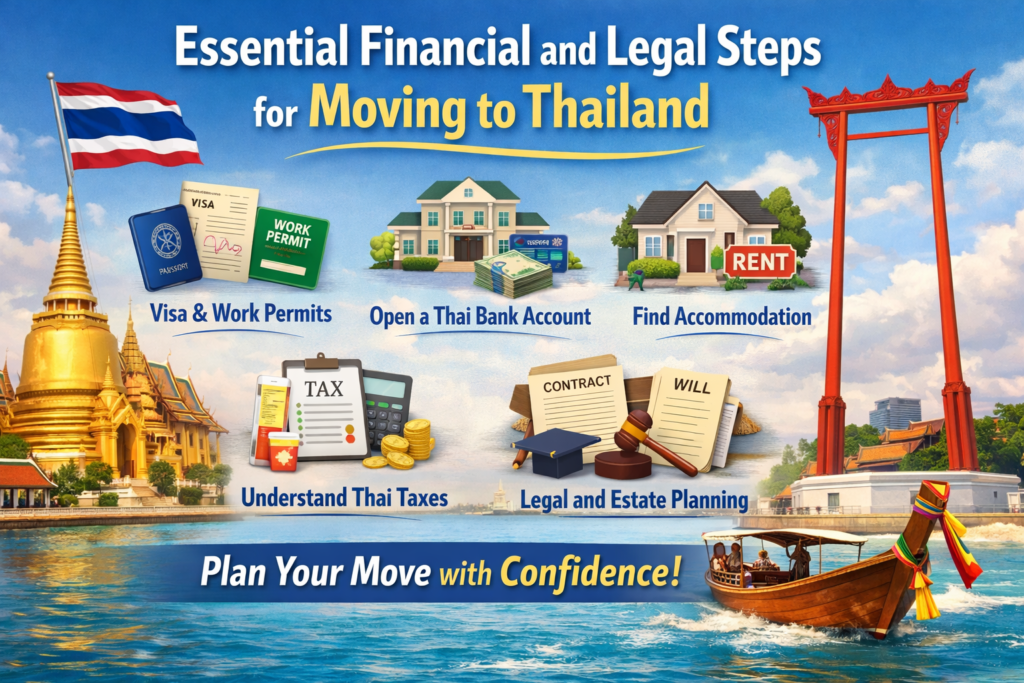
Retirement is often romanticised as an endless vacation, a time to finally put your feet up and watch the sunset. However, successful retirees know that moving abroad, specifically to a popular destination like Thailand, should be approached with the same rigour as a professional undertaking. It involves asset management, regulatory compliance, and a clear understanding of the return on investment for your lifestyle.
Treating your retirement as a business project not only ensures financial longevity but also protects you from the common pitfalls that send expatriates packing sooner than expected. By breaking down the move into strategic phases, you can ensure your transition to the “Land of Smiles” is both profitable and sustainable.
The “Audit” Phase
Before booking a flight, every prospective expat must conduct a thorough financial audit. The primary driver for moving to Thailand is often the arbitrage opportunity, which means earning a pension in a strong currency (like GBP, EUR, or USD) and spending it in a local economy where costs are significantly lower.
This “geo-arbitrage” allows retirees to upgrade their lifestyle while downgrading their expenses. According to recent data from Numbeo, the cost of living in Thailand is approximately 44% lower than in the United Kingdom, with rent prices averaging over 60% less. This drastic difference means your retirement portfolio doesn’t just need to survive; it can actually thrive, providing a level of luxury that would be unattainable back home.
However, a proper audit goes beyond day-to-day expenses. You must account for one-off capital expenditures and recurring “operating costs.” These often include:
- Visa application and renewal fees
- International moving costs and shipping logistics
- Deposits for long-term condo leases (usually two months of rent)
- Emergency funds held in local Thai baht accounts
- Currency exchange fluctuation buffers
Navigating Visa Requirements
In the business world, ignoring compliance leads to fines or shutdowns. In the world of international retirement, it leads to deportation or denied entry. Thailand’s immigration bureaucracy is complex, and navigating it requires attention to detail, particularly regarding the Non-Immigrant O-A (Long Stay) visa.
This specific visa category is designed for retirees over the age of 50. To qualify, you must demonstrate financial stability, typically by showing a security deposit of 800,000 THB in a Thai bank account or a monthly income of at least 65,000 THB. Documentation must be precise, and bank letters must be current.
Beyond the financials, health security is a non-negotiable compliance standard. The Thai government mandates that all O-A visa applicants possess a specific level of health coverage. You must secure compliant o insurance that meets the minimum coverage requirements for both outpatient and inpatient care. Failing to present a policy that explicitly matches these government standards is one of the most common reasons for application rejection. Just as a business wouldn’t operate without liability coverage, a retiree cannot legally reside in Thailand without this specific medical protection.
Lifestyle and Leisure
Once the “merger and acquisition” phase of your move is complete (meaning your visa is stamped and your bank accounts are active), you can finally focus on the dividends. This is the reason you handled the logistics: to access a lifestyle that balances adventure with relaxation.
Thailand offers a spectrum of experiences that cater to high-net-worth individuals and budget travelers alike. The infrastructure for leisure is well-developed, allowing you to curate experiences that would be cost-prohibitive in the West. For instance, rather than just visiting a crowded beach, you might consider the luxury of chartering a private yacht in Thailand to explore the islands in total privacy. Whether it is for a special anniversary or just a Tuesday afternoon, the ability to access such premium experiences is the true “profit” of your retirement planning.
Furthermore, the “dividends” extend to health and wellness. Thailand is a global hub for medical tourism, offering world-class care at a fraction of Western prices. From Dental treatment to annual check-ups, the healthcare infrastructure supports a high quality of life.
Strategic Implementation
Moving to Thailand is a major life pivot that requires a professional mindset. By securing the correct visa, ensuring your health coverage meets strict government standards, and managing your budget based on real data, you build a foundation for a stress-free life.
The most successful expats are those who sweat the small stuff early on. They treat the bureaucracy as a necessary hurdle to clear, knowing that on the other side lies a life of exceptional quality and value. With your “business plan” in place, you are ready to close the deal on a successful retirement.