

Spend £40,000 on a new hot hatch and you’ll get a very fast, very capable, largely emotionless appliance that does everything brilliantly and excites you almost not at all. Spend £8,000 on the right used sports car and something altogether different happens — you feel the road through your fingertips, hear the engine sing in a way no modern sound symposer can replicate, and arrive at your destination grinning like an idiot. The best used sports cars under £8000 aren’t relics or gambles. They’re the sweet spot where depreciation has done its worst, leaving genuine driving machines at prices that make the new car market look frankly absurd.


Why £8,000 Is the Magic Number Right Now
Depreciation is a predictable curve, and for sports cars built between roughly 2000 and 2014, that curve has largely bottomed out. The big drops happened years ago. What remains is a stable market where mechanically sorted examples sit at prices that simply won’t fall much further — and in some cases, are quietly creeping upward as enthusiasts wake up to what they’ve been ignoring.
Running costs are a different story, of course. Insurance, tyres, and occasional servicing matter. But with the right choice, you’re looking at machines with straightforward mechanicals, decent parts availability, and — crucially — a driving experience calibrated entirely around fun rather than quarterly sales targets and pedestrian safety regulations.

The Honda S2000: Still the Best £8K You Can Spend on Four Wheels
Honda’s S2000 remains one of the finest driver’s cars ever built, full stop. The 2.0-litre VTEC engine produces 237bhp and revs to 9,000rpm — a figure that sounds impossible until you’re sitting behind that small steering wheel listening to it happen. It’s raw, analogue, and completely unforgiving of laziness, which is precisely why it rewards the driver who learns its language.
Budget examples are appearing in the £6,500–£8,000 range, though condition varies enormously. Rust is the enemy — check the sills, boot floor, and chassis rails meticulously. A clean, documented AP2 (the post-2004 model with slightly softer suspension) at the top of your budget is infinitely preferable to a tatty AP1 at the bottom. This is one of those cars where provenance genuinely matters.
Four More Japanese and British Machines Worth Your Attention
The S2000 gets most of the attention, but the £8K bracket hides several equally compelling alternatives that tend to fly under the radar of the mainstream buying guides.
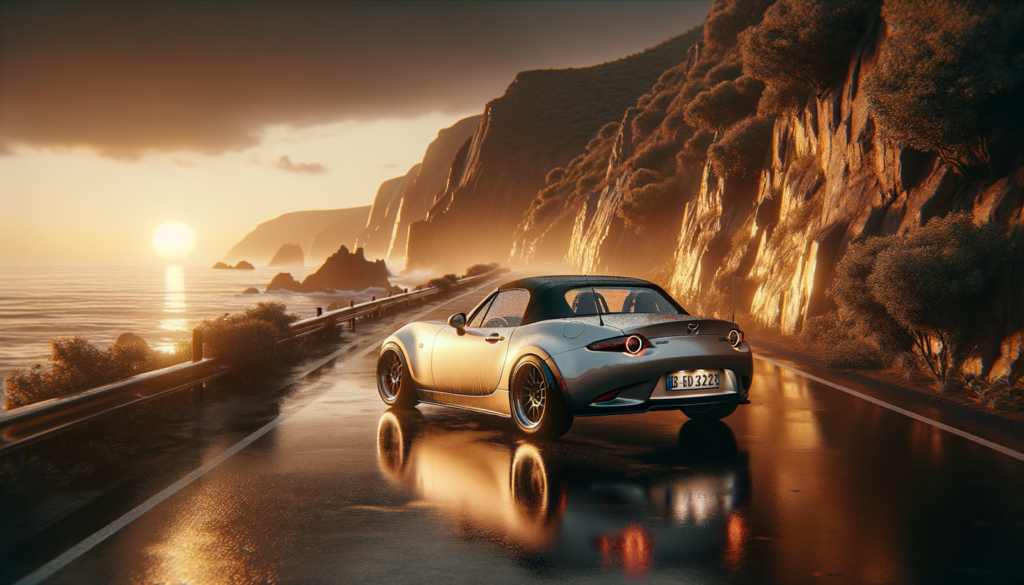
- Mazda MX-5 NC (2005–2015): Criminally undervalued next to the NB and ND. The third-generation MX-5 is heavier than its predecessors but noticeably more refined, with a slick six-speed gearbox and a 2.0-litre engine that makes 158bhp in standard form. The folding metal hardtop Roadster Coupé variant adds practicality without killing the character, and clean examples are plentiful at £5,000–£8,000.
- Toyota MR2 Mk3 (1999–2007): A mid-engined roadster for under £8,000 sounds implausible, yet here we are. The Spyder-style MR2 isn’t fast in isolation — 138bhp from the 1.8 — but its mid-mounted engine placement gives it handling balance that front-wheel-drive hot hatches simply cannot replicate. Watch for rust around the rear clam and check the SMT automated gearbox carefully if buying that variant.
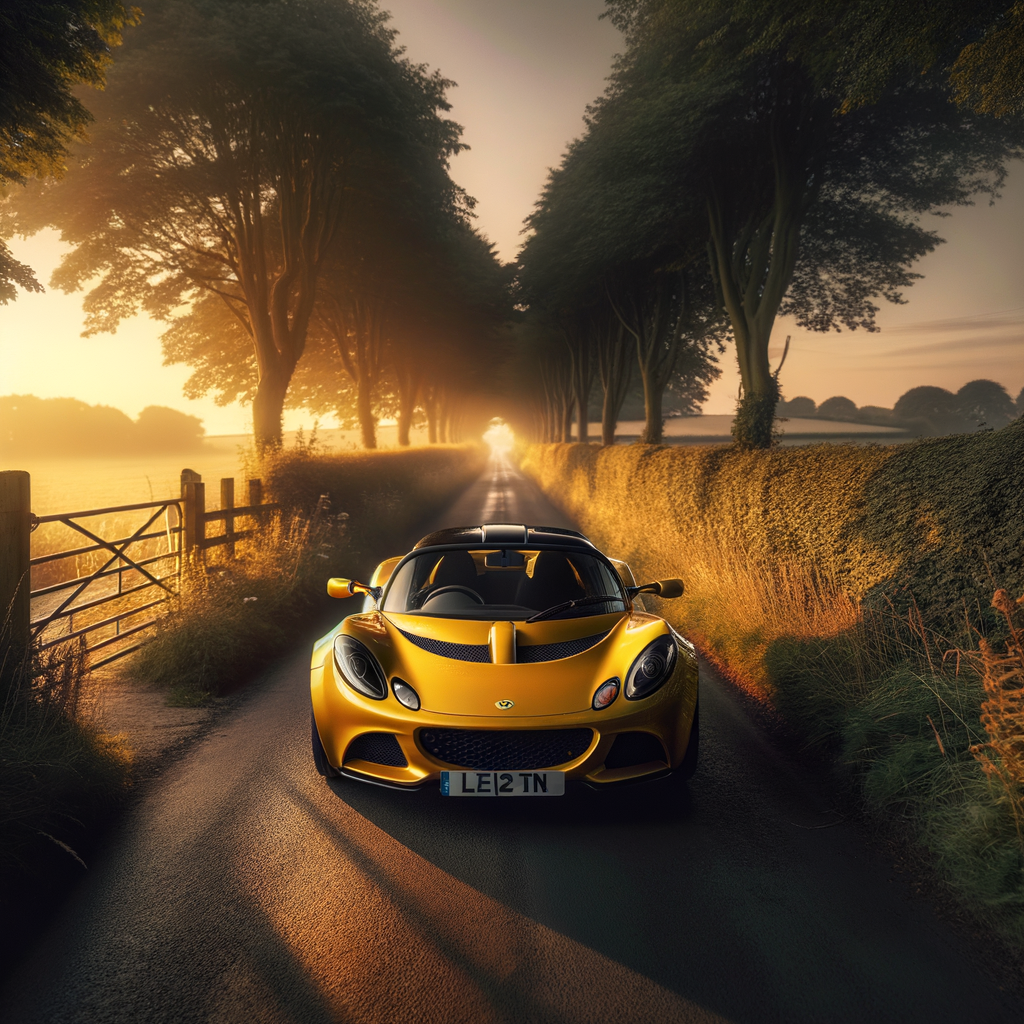
- Lotus Elise Series 2 (2001–2011): Yes, an Elise for under £8K is possible, though you’ll need patience and careful shopping. The 111R with its 189bhp Toyota engine sits just at the upper edge of the budget on tired examples. It’s impractical, occasionally awkward to live with, and utterly brilliant in a way no other car at this price even approaches.
- Mazda RX-8 (2003–2012): Controversial, misunderstood, and worth the risk if you go in with eyes open. The rotary engine demands regular oil top-ups, warm starts, and occasional high-rev runs to stay healthy. Do those things and you have a beautifully balanced, genuinely pretty sports car with four usable seats. Neglect them and the engine will let you know fairly expensively. Buy one already rebuilt or with a full, demonstrable service history.
- MGF / MG TF (1995–2011): The underdog of the group. British-built, mid-engined, and deeply sorted by the time the TF arrived in 2002. Head gaskets are the well-documented concern — either buy one already converted with an uprated unit or factor the cost into your offer. A good TF 135 is surprisingly quick, distinctly entertaining, and costs peanuts to own once the gasket issue is resolved.
What to Inspect Before Handing Over a Penny
Sports cars attract two very different types of previous owner: the dedicated enthusiast who serviced religiously and kept every receipt, and the person who bought it for a summer, thrashed it on track days, and quietly passed it on. Distinguishing between the two is the entire skill of buying in this bracket.
- Request the full service history and cross-reference stamps against mileage — gaps at high mileage are a red flag.
- Inspect tyres for uneven wear, which can indicate tracking, suspension, or alignment problems beyond a simple fix.
- Check for corrosion on sills, boot floors, and chassis rails — especially on British-market cars that have spent winters on salted roads.
- Run a full HPI check for outstanding finance, insurance write-offs, and mileage discrepancies.
- Take it for a proper test drive — not a cautious trundle, but enough to feel the gearbox, brakes, and steering at motorway speeds and on tighter roads.
- Budget a contingency of at least £500–£800 for tyres, brake pads, and minor consumables regardless of condition. It nearly always comes up.
A pre-purchase inspection from a marque specialist costs around £100–£150 and is among the better investments available to a used car buyer. It either confirms you’ve found a good one or saves you from a very expensive mistake.
Making It Yours Without Spending Another Fortune
Once you’ve bought the right car, the temptation to personalise it is almost impossible to resist. A set of colour-coded calliper covers, fresh rubber, and a detail can transform a tired-looking example into something genuinely show-worthy. Registration plates are a surprisingly effective and affordable finishing touch — services like Plates Express make it straightforward to get correctly formatted road-legal plates in various styles that suit the era and character of older sports cars without the over-engineered look that plagues some modern plate suppliers.
The mechanical side of personalisation is where the real depth lies. An aftermarket exhaust on an S2000 or MX-5 costs a few hundred pounds and transforms the soundtrack entirely. Suspension upgrades — coilovers or uprated springs — are similarly affordable and shorten the gap between road car and something rather more focused. None of it needs to be expensive to be effective.
The Honest Case Against a New Hot Hatch
A new Golf GTI or Hyundai i30 N is, objectively, a more complete everyday car than any of the machines listed here. It has warranty coverage, modern safety systems, a decent infotainment screen, and enough boot space to be genuinely useful. Nobody sensible disputes that.
But there’s a version of car ownership that isn’t about objective completeness. It’s about connection — the kind you feel when a naturally aspirated engine pulls hard to its redline, when a short-throw gearbox slots home with mechanical precision, when a car built without electronic nannies tells you exactly what the front tyres are doing through every corner. That experience doesn’t require a £40,000 outlay. It requires £8,000, patience, and the knowledge of where to look.
The cars on this list won’t make you faster on the motorway than a Golf R. They’ll just make you enjoy every single mile between the junctions in a way that a Golf R simply never will.