Drafty windows are a frequent and often frustrating issue in homes across the country. Not only do they create uncomfortable living conditions, but they can also lead to significant spikes in energy costs when left unchecked. Recognizing drafty window symptoms early and understanding their root causes can help households make more informed choices about repairs and upgrades, including evaluating where to buy replacement windows that meet modern efficiency and durability standards.
The presence of drafts can signal underlying structural or installation issues that reduce your home’s overall efficiency. Left unattended, these issues jeopardize both comfort and long-term savings. Thankfully, modern repair methods, improved materials, and access to trusted suppliers make it easier than ever to identify and address drafty windows with long-lasting solutions.
Drafts are not just a cold-weather nuisance; during summer months, they also let conditioned air escape, forcing HVAC systems to work harder. By tackling this challenge early and selecting quality replacement products from reputable sources, homeowners can create a quieter, more consistent indoor temperature year-round.
Because drafty windows are both widespread and impactful, it’s vital to assess their prevalence, causes, detection methods, and available remedies.
Prevalence of Drafty Windows
Drafty windows represent a widespread challenge for homeowners. According to the Pacific Northwest National Laboratory, approximately 12% of homes report frequent drafts, and an additional 41% experience drafts intermittently. This means that more than half of American homes may be losing conditioned air due to window leaks. The prevalence is even greater in older homes, where window technology and installation practices may no longer meet today’s efficiency standards.
Common Causes of Drafty Windows
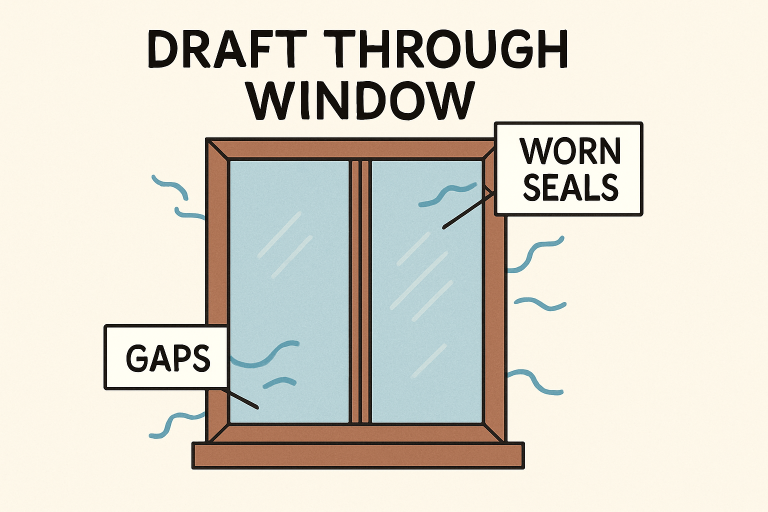
Multiple factors can lead to draftiness. Over time, the materials that seal your window to its frame, such as caulking and weather stripping, can deteriorate or become damaged. In addition, improper installation can leave gaps that encourage air infiltration. Home settling, environmental wear, and even seasonal expansion or contraction can all contribute to window misalignment and leaks.
- Worn-Out Seals: Continuous exposure to sun, wind, moisture, and changing temperatures gradually breaks down window seals.
- Damaged Weather Stripping: Foam or rubber weather stripping can compress, crack, or detach.
- Poor Installation: If windows aren’t snugly set into place, even new models can allow drafts.
- Structural Shifts: Homes naturally settle with age, often causing the window frame to move and open small but significant gaps.


Identifying Drafty Windows
Detecting drafts is crucial for effective remediation. Homeowners can start with a visual inspection, checking for noticeable gaps, cracks, or aging caulk and weather stripping. However, less obvious leaks may require the candle or incense test: move a lit candle or stick of incense slowly around the window frame; if the flame flickers or smoke flows horizontally, a draft is likely present. For more precise identification, an infrared thermal detector can highlight temperature discrepancies indicative of air leakage.
Impact on Energy Efficiency
Windows account for a substantial portion of residential heat loss and gain. The National Energy Assistance Directors Association estimates that eliminating drafts can reduce heating costs by up to 30%. For an average annual heating bill of $941, this means potential savings of roughly $282. Beyond financial incentives, sealing drafts also reduces a household’s carbon footprint by reducing unnecessary energy consumption.
Solutions for Drafty Windows
Fortunately, not all drafty windows need to be replaced. Several repairs can restore window tightness and performance:
- Weather Stripping: New weather stripping materials are easy to install and offer an immediate improvement.
- Caulking: Applying fresh, high-quality caulk along the interior and exterior edges of the window frame helps seal air leaks.
- Window Film: Clear insulating films can be applied temporarily in the winter months for added insulation.
- Storm Windows: Adding an extra window layer creates an effective barrier against drafts.
Taking these easy-to-implement steps can dramatically improve comfort and efficiency without requiring a major investment or renovation.
When to Consider Replacement
While many issues can be repaired, replacement is the best answer when windows have persistent drafts, significant damage, or single-pane construction. Single-pane windows are the least efficient and do not meet modern building standards for insulation. Deep cracks, rot, or warping in the window frame also call for a full upgrade to ensure lasting performance and improved aesthetics.
- Single-Pane Models: Outdated, lacking insulation.
- Severe Structural Damage: Warped, rotted, or irreparably cracked frames.
- Chronic Leaks: Ongoing drafts that persist despite applied remedies.
Benefits of Energy-Efficient Windows
Investing in advanced windows offers transformative benefits for your home:
- Reduced Bills: Improved insulation translates immediately into savings on heating and cooling costs.
- Better Year-Round Comfort: Keeping drafts out means more consistent temperatures and fewer cold spots.
- Sound Dampening: Modern windows can significantly reduce outside noise.
- Higher Resale Value: Buyers increasingly look for energy-efficient features, making new windows a smart investment.
Final Thoughts
Drafty windows are a common problem, but one that’s well within reach to address. Early detection and proactive remedies can restore comfort while driving down utility costs. When repairs aren’t enough, window replacement delivers both immediate and long-term returns in energy savings and home value. A focus on quality materials and regular maintenance is key to keeping your living environment comfortable, efficient, and draft-free.