
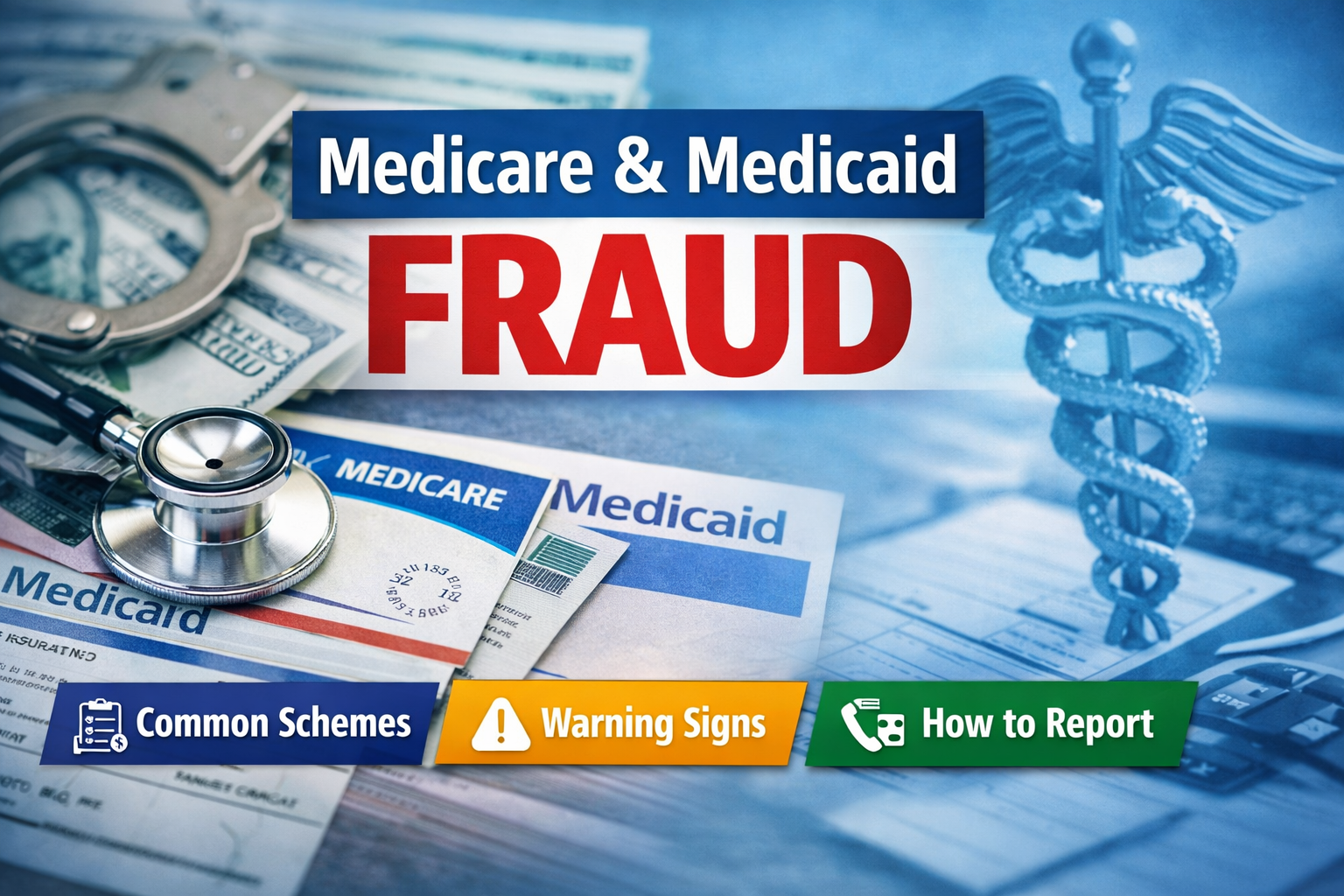
Medicare and Medicaid are crucial lifelines for millions of Americans, offering access to healthcare services that might otherwise be unaffordable. Unfortunately, the scale and complexity of these government programs make them frequent targets of fraud. Knowing where to report Medicare fraud is essential not only for affected individuals but also for anyone seeking to maintain the integrity of these programs. Understanding fraud schemes, warning signs, and the right steps to take can help beneficiaries and providers protect themselves and public resources.
Fraudulent activities are not always easy to spot, but when left unchecked, they inflate healthcare costs and can deny resources to those who truly need them. As the government increases its efforts to fight fraud, it’s key for everyone, patients, providers, and their families, to learn how to recognize and prevent these schemes before they cause harm. Because these crimes divert funds from patient care, reducing them benefits everyone in the healthcare system. To combat fraud, vigilance and education are necessary. Being proactive about protecting personal details, questioning suspicious charges, and reporting questionable activity are central in safeguarding not only individual interests, but public health dollars. The prevalence of fraud underscores the need for a cooperative effort between beneficiaries, healthcare professionals, and regulators.
Common Schemes in Medicare and Medicaid Fraud
Medicare and Medicaid fraud come in many forms, from simple billing errors to elaborate criminal conspiracies. Some of the most prevalent schemes include:
- Billing for Services Not Rendered: Healthcare providers sometimes submit claims for medical services, procedures, or equipment that patients never actually received. These “phantom” services drive up costs and go unnoticed if beneficiaries fail to check their statements.
- Upcoding: By claiming a more complex or expensive service than what was actually provided, fraudsters can illegally increase their reimbursement from Medicare or Medicaid.
- Unbundling: Some providers split procedures that should be billed under a single code into several claims, inflating their total payment.
- Kickbacks: Illegal compensation may be exchanged for patient referrals or the use of particular products, such as prescription drugs or medical devices, practices that can compromise patient care and raise program costs.
Warning Signs of Fraudulent Activities
Many beneficiaries and providers become aware of fraud only after carefully reviewing their documents or following up on unexpected bills. Key warning signs include:
- Receiving bills for services, drugs, or equipment never received.
- Discrepancies on Medicare Summary Notices or Explanation of Benefits forms, such as procedures listed that you don’t recognize
- Pressure to accept unnecessary medical services, equipment, or prescriptions.
- Offers of “free” services or equipment specifically in exchange for your Medicare or Medicaid numbers.
Prompt attention to these red flags is crucial, as quick action can help prevent ongoing fraud or identity theft that could lead to further misuse. In many cases, documentation and timely reporting are the strongest defenses against repeated losses.
How to Report Suspected Fraud
If you believe you have witnessed or been affected by Medicare or Medicaid fraud, reporting it immediately ensures an unbiased investigation and protects both beneficiaries and program integrity. Here’s what to do if you see suspicious activity:
- Call the Health & Human Services Office of the Inspector General tip line at 1-800-HHS-TIPS (1-800-447-8477) or submit a confidential report online.
- Contact Medicare directly by phone at 1-800-MEDICARE (1-800-633-4227).
- Seek help from the Senior Medicare Patrol (SMP) by calling 1-877-808-2468 for personalized assistance with fraud prevention and reporting.
To learn more about the reporting process, visit the official Centers for Medicare & Medicaid Services resource on Reporting Fraud.
Preventive Measures for Beneficiaries and Providers
Prevention is the best approach to fighting Medicare and Medicaid fraud. Consider these practices to limit your exposure:
- Regularly check your medical bills and Explanation of Benefits for accuracy and raise questions about unfamiliar charges right away.
- Guard your Medicare and Medicaid numbers as carefully as your Social Security number, and avoid sharing them with anyone except trusted health professionals.
- Be wary of unsolicited phone calls or mailings offering free equipment or testing, especially if they request your government health coverage details.
- Only agree to services you know are necessary and prescribed by a healthcare provider you trust. Never feel uncomfortable asking why a service is being recommended or billed.
Following these steps and educating family members about the potential for abuse makes it harder for fraudsters to succeed.
Legal Consequences of Healthcare Fraud
The penalties for individuals or organizations found guilty of Medicare or Medicaid fraud are severe. Consequences include substantial fines, potential restitution payments, lengthy prison sentences, and lifetime exclusion from participation in federal healthcare programs. The Department of Justice pursues these cases relentlessly, with many cases resulting in major settlements or convictions. High-profile takedowns have recovered billions of dollars for taxpayers and serve as a warning to those contemplating fraud.
Recent Developments in Combating Healthcare Fraud
Over the past few years, major healthcare fraud enforcement operations have uncovered record-setting levels of fraudulent activity in sectors like telehealth, genetic testing, and medical supplies, as well as prescription opioid distribution. In a high-profile crackdown, the Department of Justice and federal partners announced their largest health care fraud takedown to date, recovering billions in misspent funds and arresting hundreds of suspects across the country. These actions demonstrate ongoing vigilance and reinforce the importance of reporting suspicious activity.
On the regulatory front, new technologies and data analytics tools have improved the detection of fraudulent patterns. Federal and state agencies now collaborate more closely, making it harder for bad actors to exploit vulnerabilities in the healthcare system.
Resources for Further Information
Staying informed is your best defense against Medicare and Medicaid fraud. Explore additional advice on prevention and reporting from authoritative publications. For in-depth guidance, visit the Healthline article on How to Identify and Report Medicare Fraud. The Centers for Medicare & Medicaid Services also offer an extensive overview of their efforts to Crush Fraud, Waste, & Abuse and provide resources for beneficiaries and healthcare professionals alike.
Conclusion
Medicare and Medicaid fraud remain a persistent threat to the integrity and sustainability of essential healthcare programs that serve millions of Americans. However, through increased awareness, early detection, and proactive reporting, both beneficiaries and providers can play a powerful role in minimizing its impact. Understanding common fraud schemes, recognizing warning signs, and knowing how to respond are all critical steps in protecting not only individual benefits but also the broader healthcare system.
As enforcement efforts continue to evolve with advanced data analytics and coordinated investigations, the importance of public participation becomes even more significant. Fraud prevention is not solely the responsibility of government agencies, as it relies on informed patients, vigilant healthcare professionals, and responsible organizations working together. Prompt reporting of suspicious activity helps recover misused funds, deter future misconduct, and ensure resources remain available for those who genuinely need care. Ultimately, safeguarding Medicare and Medicaid requires ongoing education, accountability, and collective action. By staying informed and engaged, everyone contributes to a more transparent, efficient, and trustworthy healthcare system that can continue serving current and future generations effectively.