



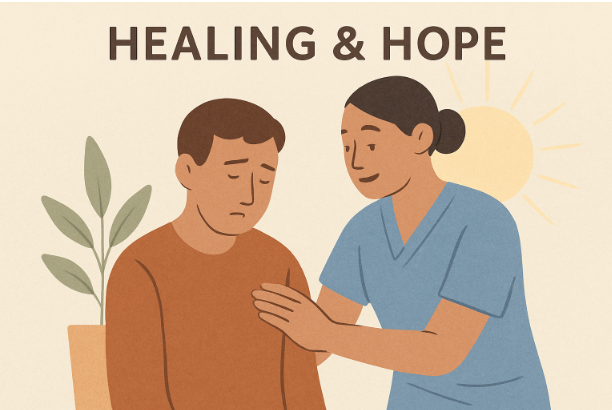
Deciding to seek help for substance use is both an act of courage and a commitment to lasting change. Finding safe and sustainable detoxification methods is crucial for initiating the healing process and laying the foundation for long-term well-being. As you explore pathways to recovery, consider the importance of evidence-based approaches combined with individual needs—especially when seeking professional options such as Detox in Boulder, Colorado.
Selecting the right detox program goes beyond alleviating withdrawal symptoms; it’s about setting the groundwork for whole-person healing. Today, modern detox approaches offer a blend of medical expertise, integrative wellness practices, and innovative technologies, supporting those in recovery from the earliest stages through lifelong resilience.
Understanding Detoxification
Detoxification, or detox, is the essential first step in recovering from substance use disorder. It is the body’s process of clearing out toxins and overcoming dependence. The complexity and duration of detox vary according to the individual, the substance used, and the duration of use. Safe and medically supervised detox can help manage both physical and psychological symptoms, fostering a safer transition to ongoing treatment.
The primary goal of detoxification is to stabilize the individual, minimize discomfort, and reduce health risks associated with substance use. Detox is not a cure for addiction, but a critical starting point. Following proper detox guidance, individuals can continue with structured addiction treatment that addresses the root causes of substance use.
Throughout the process, it’s vital to access support from licensed professionals experienced in withdrawal management, as improper detox, particularly for substances like alcohol or opioids, can pose significant health risks. For more insights into what to expect from detox, consult trusted resources such as the SAMHSA National Helpline.
Medically Assisted Detox (MAD)
Medically Assisted Detox (MAD) is often essential for those with moderate to severe substance use disorders. Under the care of medical professionals, medications may be administered to control withdrawal symptoms and prevent complications. For example, drugs like benzodiazepines are used to manage alcohol withdrawal, while methadone or buprenorphine can help with opioid detox.
MAD provides a safe, supportive environment where individuals’ vital signs, hydration, and mental status are continuously monitored. This approach not only mitigates the risks associated with withdrawal but also encourages individuals to complete the detox process, thereby improving the likelihood of sustaining long-term recovery. According to the National Institutes of Health, medically supervised detox should be followed immediately by personalized treatment to optimize outcomes.
Holistic Detox Methods
Holistic detoxification looks beyond the physical aspects of addiction, focusing on restoring balance to mind, body, and spirit. Practicing yoga, mindfulness, meditation, and acupuncture during detox can ease anxiety, reduce stress, and build emotional resilience during withdrawal. These therapies are increasingly integrated into modern detox and recovery programs to support whole-person health.
Mental and Emotional Support
Activities such as journaling, expressive art therapy, and guided meditation offer further avenues for emotional release and personal reflection. This multi-dimensional approach empowers individuals to gain self-awareness, cope with triggers, and achieve sustainable recovery outcomes.
Personalized Treatment Plans
No two journeys to recovery are identical. Personalized detox plans begin with thorough assessments—considering factors like co-occurring mental health disorders, medical history, and social circumstances. Customizing detox solutions ensures that interventions are both safe and tailored to each individual’s specific needs, thereby enhancing the success of recovery.
Ongoing communication with healthcare providers allows for adjustments in care as needed. Recognizing early signs of distress, responding to cravings, and accommodating new life events are all part of adaptive, responsive treatment that supports lasting healing.
Technology in Detox Programs
New technologies are transforming how detox programs deliver care. Wearable health trackers and mobile monitoring tools can measure heart rate, blood pressure, and sleep quality, enabling real-time care decisions. Telehealth has also made professional guidance more accessible, bridging the treatment gap for individuals in remote or rural areas.
Improved Access and Support
From digital check-ins to smartphone recovery apps, technology provides individuals with resources, reminders, and progress tracking to keep recovery goals on track. These tools complement traditional therapy and medical management, improving engagement and continuity of care.
Nutritional Support in Detox
Nutrition plays a significant role in the detoxification process. Chronic substance use often depletes the body of vital nutrients, weakening immune health and slowing healing. Balanced diets emphasizing antioxidants (found in leafy greens, berries, and whole grains) support liver function and cellular repair.
Ensuring proper hydration is equally important, as it helps flush toxins and manage common withdrawal symptoms. Nutrition education and, when necessary, supplement plans are frequently incorporated into leading detox programs to enhance physical recovery.
Virtual Support Groups
Connection is fundamental to recovery, yet many people encounter barriers to in-person support. Virtual support groups provide a judgment-free space where individuals can share their experiences, learn coping skills, and receive encouragement from peers. These live sessions and moderated forums offer a real-time community experience, accessible from anywhere and at any time.
Building and maintaining a strong social network—even online—can reduce feelings of isolation, promote accountability, and make long-term recovery goals more achievable. For more on the value of social support, Psychology Today highlights its importance in overcoming addiction.
Conclusion
Safe and sustainable detoxification requires an intentional blend of evidence-based and holistic strategies tailored to individual needs. Integrating medically assisted detox, holistic wellness, personalized care plans, innovative technology, strong nutritional support, and virtual connections ensures individuals transitioning to recovery are empowered for lasting change. These modern approaches help create not only a healthier start to recovery but also the resilience for a long and fulfilling journey ahead.