


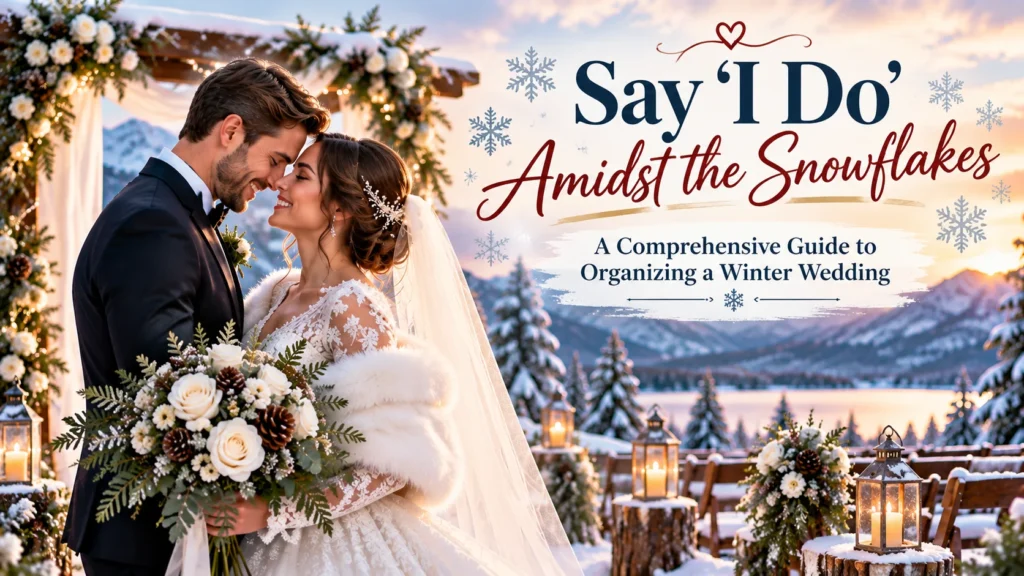

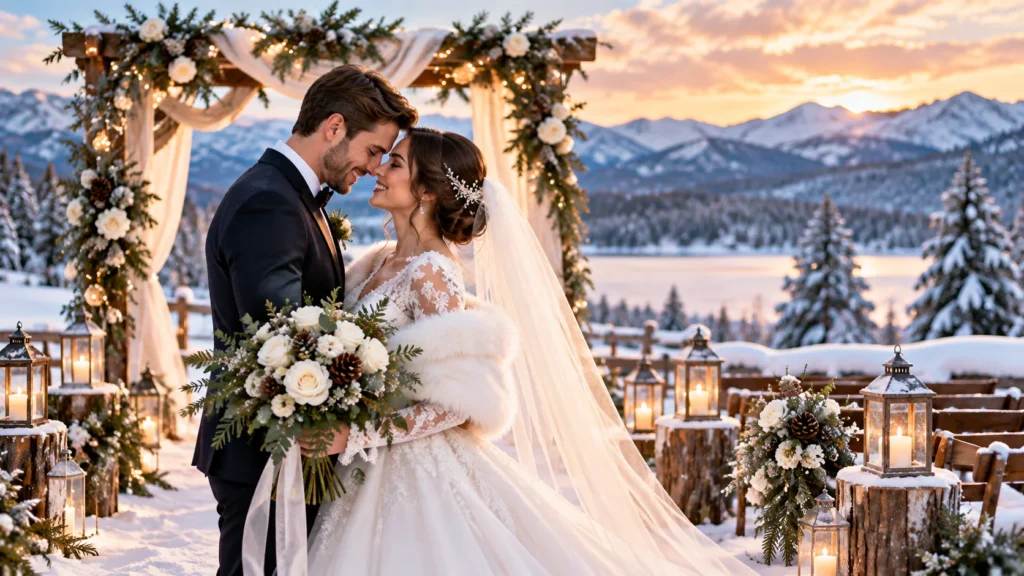
Are you dreaming of saying “I do” surrounded by snow-covered landscapes, sparkling lights, cozy details, and an unforgettable winter atmosphere? A winter wedding can transform your special day into a beautiful celebration filled with seasonal charm. From choosing the right venue and wedding attire to planning transportation and creating a warm atmosphere for your guests, winter weddings require thoughtful preparation.
Unlike traditional spring and summer celebrations, a winter wedding gives couples the opportunity to create an elegant and intimate experience inspired by the season. Snowy scenery, evergreen greenery, candles, metallic accents, fireplaces, warm drinks, and rich seasonal colors can all contribute to a memorable wedding theme.
However, planning a winter wedding also comes with unique considerations. Cold temperatures, snow, ice, shorter daylight hours, travel conditions, and unpredictable weather can affect your plans. With careful preparation and a reliable backup plan, you can enjoy the beauty of winter while keeping yourself and your guests comfortable.
In this comprehensive guide, we’ll explore everything you need to know about organizing a winter wedding, including venue selection, wedding dresses, seasonal decorations, food and drinks, photography, guest comfort, transportation, and important planning details.
Why Choose a Winter Wedding?
Winter weddings can offer a distinctive atmosphere that is difficult to recreate during other seasons. If you love the idea of a romantic, cozy, elegant, or snow-inspired celebration, winter may be an excellent setting for your wedding.
Unique and Memorable
Winter weddings can stand out because they offer a different atmosphere from the more common spring and summer celebrations. Snow-covered scenery, winter greenery, candlelight, and seasonal decorations can create a memorable setting for both the couple and their guests.
Potentially More Budget-Friendly
Depending on your location and the specific date you choose, winter may be considered an off-season period for weddings. Some venues and wedding vendors may offer lower rates or greater availability outside their busiest months. Comparing several venues and vendors can help you determine whether a winter wedding fits your budget.
Remember that holiday dates and popular winter weekends can still be expensive or highly competitive, so don’t automatically assume that every winter wedding will cost less.
Cozy and Intimate Atmosphere
Cold weather naturally encourages guests to gather indoors, creating an intimate atmosphere. A venue with fireplaces, warm lighting, comfortable seating, candles, and elegant winter decorations can make your reception feel especially welcoming.
Beautiful Seasonal Theme
Winter gives you an extensive range of decorating possibilities. You can use evergreen branches, pinecones, white flowers, metallic details, candles, fairy lights, snow-inspired decorations, and rich seasonal colors to create a sophisticated wedding theme.
Choose the Perfect Winter Wedding Venue
Your venue plays an important role in the success of a winter wedding. While an outdoor ceremony surrounded by snow may look spectacular, you should always consider the practical challenges associated with winter weather.
Indoor vs. Outdoor Wedding
An outdoor winter ceremony can provide beautiful photographs and a magical atmosphere, but extremely cold temperatures, snow, rain, wind, or ice can make outdoor celebrations uncomfortable or unsafe.
If you are planning an outdoor ceremony, make sure you have a practical indoor backup option. You should also consider heated areas, blankets, appropriate seating, and a shorter ceremony if temperatures are particularly low.
Check Venue Capacity
Choose a venue that comfortably accommodates your guest list. Remember that winter weddings often require additional indoor space for coats, winter accessories, heaters, changing areas, and other guest-comfort facilities.
Consider the space required for the ceremony, reception, dance floor, dining tables, entertainment, photography areas, and any special features such as a hot cocoa station.
Consider Accessibility
Accessibility is especially important when planning a winter wedding. Snow, ice, heavy rain, and slippery walkways can create difficulties for guests traveling to and from the venue.
Before booking a location, ask about parking, road access, snow and ice removal, entrance conditions, and accessibility for guests with mobility needs.
Look for Winter-Friendly Amenities
Winter-friendly amenities can make a major difference in guest comfort. Depending on the venue, useful features may include fireplaces, indoor heating, heated floors, coat check facilities, covered entrances, sheltered outdoor areas, and convenient parking.
Plan Your Winter Wedding Budget
A clear budget can help you avoid unexpected expenses. When planning a winter wedding, consider both the standard wedding costs and seasonal expenses.
- Venue rental: Compare winter rates and any seasonal packages.
- Wedding attire: Budget for warm accessories, jackets, capes, wraps, or appropriate footwear.
- Transportation: Allow additional funds for weather-related transportation needs.
- Decorations: Include lighting, greenery, candles, winter flowers, and seasonal details.
- Photography: Discuss indoor and outdoor photography options with your photographer.
- Guest comfort: Consider blankets, heaters, coat check facilities, and warm beverages.
- Weather contingency: Keep an emergency fund for unexpected weather-related changes.
Choose the Right Winter Wedding Dress
One of the most exciting parts of planning a winter wedding is choosing your dream winter wedding dress. Your dress should reflect your personal style while also helping you stay comfortable in cold weather.
Consider Long Sleeves
Long-sleeved wedding dresses can provide additional warmth while creating an elegant winter bridal look. Lace sleeves, embroidered sleeves, satin sleeves, and other detailed designs can complement a variety of wedding styles.
Add Layers
Layers are especially useful if you expect to spend time outdoors. Depending on your wedding style, consider a bridal cape, elegant shawl, faux fur stole, wrap, jacket, or other suitable outer layer.
Choose Appropriate Fabrics
Heavier fabrics such as velvet, satin, and taffeta can work beautifully for winter weddings. Your choice should depend on the expected temperature, venue, dress design, and personal comfort.
Think About Your Footwear
Wedding footwear should be practical as well as stylish. Boots vs. Heels: Consider wearing boots instead of heels for an outdoor photoshoot if you will be walking through snow or uneven ground.
You can also wear comfortable footwear for outdoor photographs and change into your preferred wedding shoes once you return indoors.
Don’t Forget the Groom’s Winter Wedding Attire
The groom and wedding party should also be prepared for colder temperatures. A well-tailored suit, tuxedo, or formal winter outfit can be paired with seasonal accessories.
- Consider heavier suit fabrics where appropriate.
- Add a formal overcoat for outdoor photographs.
- Choose shoes that provide enough traction for winter conditions.
- Coordinate scarves, gloves, or other accessories with the wedding colors when appropriate.
- Make sure the wedding party knows whether outdoor photographs are planned.
Choose a Winter Wedding Color Palette
A carefully selected color palette can immediately establish the atmosphere of your winter wedding. You don’t have to rely exclusively on traditional red and green holiday colors.
Popular winter-inspired combinations can include white and silver, ivory and gold, deep burgundy and cream, evergreen and white, navy and silver, or neutral tones combined with metallic accents.
Choose colors that complement your venue, flowers, wedding attire, invitations, table settings, and photography style.
Incorporate Seasonal Wedding Decorations
There are countless ways to bring the winter season into your wedding design without making the celebration look overly themed.
Use Evergreen Greenery
Evergreen branches can be incorporated into table arrangements, arches, bouquets, welcome signs, and other decorative features. They can add natural texture and seasonal character to the venue.
Add Pinecone Decorations
Pinecones can be used in centerpieces, bouquets, table arrangements, place card displays, and other decorative elements. They can work particularly well with rustic, woodland, or traditional winter wedding themes.
Create a Candlelit Atmosphere
Candles can provide a warm and romantic atmosphere during a winter reception. Use appropriate candle holders and follow the venue’s safety requirements when incorporating open flames.
Use Warm Lighting
Fairy lights, string lights, lanterns, and other suitable lighting can create a cozy environment, especially during the darker winter evenings.
Create a Cozy Winter Wedding Reception
Your reception is an opportunity to make guests feel comfortable and welcome. Consider adding details that provide warmth and reflect the season.
Set Up a Hot Cocoa Bar
A hot cocoa station can be a fun addition to a winter wedding. Offer different toppings and flavors so guests can personalize their drinks. Depending on your menu and local requirements, you could also offer warm apple cider or other seasonal non-alcoholic beverages.
Choose Seasonal Food
Talk with your caterer about dishes that suit the season and your guests’ dietary requirements. Warm appetizers, soups, roasted vegetables, comfort-food-inspired dishes, and seasonal desserts can complement a winter reception.
Create a Winter Dessert Table
Instead of relying only on a traditional wedding cake, consider adding a dessert table featuring winter-inspired treats. Snowflake-shaped cookies, gingerbread, cupcakes, chocolate desserts, and other seasonal sweets can provide guests with additional choices.
Plan Winter Wedding Photography Carefully
Winter can provide exceptional photography opportunities, particularly when snow is present. However, shorter daylight hours and cold temperatures require careful planning.
Plan Around Daylight
Talk to your photographer about the day’s schedule before finalizing your ceremony and portrait times. Winter daylight may be limited, so planning outdoor portraits at the right time can help you make the most of natural light.
Prepare for Cold Weather
Outdoor photographs should not require the wedding party to remain outside for unnecessarily long periods. Plan short photography sessions and provide warm areas where everyone can return between photographs.
Use the Venue as a Photo Location
If weather conditions become unfavorable, an attractive indoor venue can provide excellent alternatives. Staircases, fireplaces, large windows, decorated reception spaces, and elegant architectural details can all become useful photography locations.
Plan Transportation for Winter Weather
Transportation deserves extra attention when planning a winter wedding. Weather conditions can affect roads, parking areas, and travel times.
Make sure to arrange transportation for you and your guests, especially if the venue is in a remote or snowy location.
Consider providing guests with clear directions, parking information, transportation schedules, and emergency contact information. If severe weather is possible, build additional travel time into the schedule.
Keep Your Guests Comfortable
Your guests may spend several hours at your wedding, so keeping them comfortable should be part of your planning process.
- Coat Check: Set up a convenient coat check area where guests can safely leave coats and winter accessories.
- Warm Welcome: Consider offering warm beverages when guests arrive.
- Indoor Heating: Confirm that the venue can maintain a comfortable indoor temperature.
- Outdoor Comfort: If guests will spend time outside, consider blankets or suitable heating options.
- Clear Communication: Tell guests in advance if any part of the celebration will take place outdoors.
- Accessibility: Make sure entrances, walkways, and parking areas are as accessible as possible.
Choose Thoughtful Winter Wedding Favors
Winter-themed favors can give your guests a small reminder of your special day. Choose something useful, attractive, or connected to your wedding theme.
Possible ideas include personalized ornaments, small snow globes, winter-themed candles, hot cocoa mixes, personalized mugs, or other practical seasonal gifts.
Have a Winter Weather Backup Plan
One of the most important parts of planning a winter wedding is having a backup plan. Even if the weather forecast looks favorable, winter conditions can change quickly in some locations.
Ask your venue what happens if severe weather affects your original plans. Establish an alternative location for outdoor photographs, confirm whether transportation can be adjusted, and communicate significant schedule changes to your vendors and guests.
Having a backup plan does not mean expecting your wedding to go wrong. It simply gives you peace of mind and helps everyone respond calmly if weather conditions change.
Build a Practical Winter Wedding Timeline
A winter wedding timeline may need to be slightly different from a summer wedding schedule. Consider the shorter daylight hours, travel conditions, photography requirements, and time needed for guests to arrive safely.
Work with your photographer, venue, caterer, wedding planner, and transportation provider to create a realistic schedule. Avoid making the timeline unnecessarily tight, particularly when winter weather could cause delays.
Winter Wedding Planning Checklist
- Choose a winter-friendly wedding venue.
- Confirm the venue’s heating and indoor facilities.
- Create a weather backup plan.
- Check transportation and parking arrangements.
- Choose appropriate wedding attire and footwear.
- Plan winter-friendly decorations.
- Discuss seasonal flowers with your florist.
- Schedule photography around available daylight.
- Arrange a coat check area.
- Offer suitable warm beverages.
- Inform guests about outdoor activities and expected weather.
- Prepare winter wedding favors.
- Allow additional travel time between locations.
- Keep an emergency budget for unexpected weather-related expenses.
Final Thoughts on Planning a Winter Wedding
A winter wedding can provide a beautiful setting for one of the most memorable days of your life. From snowy landscapes and elegant lighting to cozy reception details and seasonal decorations, the colder months offer plenty of opportunities to create a celebration that feels personal and distinctive.
The key is to balance the beauty of the season with practical planning. Choose a suitable venue, prepare for changing weather, select comfortable attire, plan transportation carefully, and make sure your guests have a warm and welcoming experience.
With thoughtful preparation and a reliable backup plan, you can embrace the magic of winter while creating a wedding celebration that you, your partner, and your guests will remember for years to come.
Frequently Asked Questions About Winter Weddings
Are winter weddings a good idea?
Winter weddings can be a beautiful choice for couples who enjoy seasonal scenery, cozy venues, elegant decorations, and colder-weather celebrations. The most important consideration is preparing for weather conditions and having suitable backup arrangements.
What should I wear to a winter wedding?
For a winter wedding, consider formal clothing made from comfortable fabrics appropriate for the temperature. Guests attending outdoor portions of the event may also want a warm coat, shawl, wrap, or suitable footwear.
How can I keep wedding guests warm in winter?
Choose a venue with reliable heating, provide a convenient coat check, offer warm beverages, and limit the amount of time guests need to spend outdoors. Blankets or appropriate outdoor heating may also be useful where permitted.
What colors work well for a winter wedding?
Popular winter wedding palettes include white, ivory, silver, gold, evergreen, burgundy, navy, and other rich or neutral tones. Your final color combination should complement your venue and overall wedding style.
What should I do if it snows on my wedding day?
If snow is expected, follow your venue’s weather plan and communicate important changes to vendors and guests. Allow additional travel time, prioritize safe access to the venue, and use indoor alternatives for activities that become impractical outdoors.
How can I make a winter wedding feel cozy?
Warm lighting, candles, comfortable seating, seasonal greenery, fireplaces, warm beverages, winter-inspired desserts, and thoughtful guest amenities can all help create a cozy winter wedding atmosphere.
How far in advance should I plan a winter wedding?
The ideal planning timeline depends on your location, guest count, venue availability, and wedding style. Starting early gives you more time to compare venues and vendors, organize seasonal details, and prepare contingency plans for winter weather.