

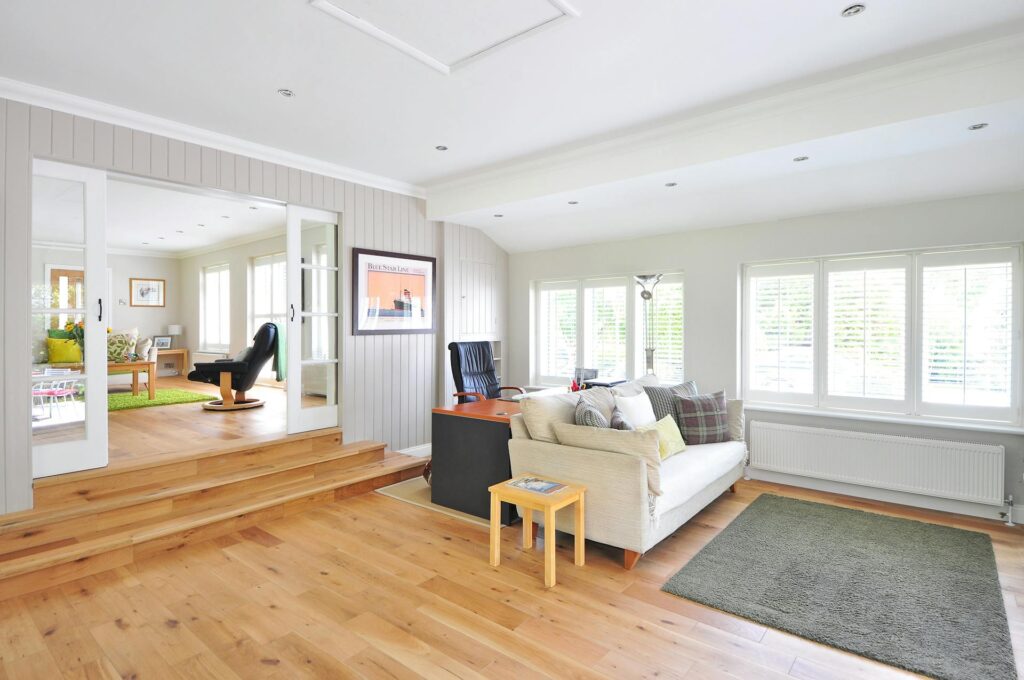
Gone are the days when radiators were chunky white cast iron panels in every room of the house. Now they’re as much of a styling choice as they are a practical one, and with the range of styles available, it’s even possible to make them look purposeful rather than purely practical. Whether a home is renovated from the ground up or given a facelift, the radiator choices along the way contribute more to how things will look than one would think.
Flat Panel Radiators: The Standard Practical Option
Flat panel radiators are probably the most common style in use by today’s practical homeowner. Their clean aesthetic is unobtrusive, and they can fit in almost anywhere without demanding attention. Single panel, double panel, with fins or without, the differences are nuanced yet do change how much warmth they’re able to produce. Therefore, if a room is small, it makes sense to go for a single panel and if it’s quite large, a double may work best.
White is still the most universal finish for people, but over the last several years anthracite grey has come into its own, especially in kitchens and open plans where the remainder of the space is cooler and more minimalist. A flat dark panel against a light wall actually looks very considered rather than an afterthought.
For those interested in delving into the world of flat panel options, Radiator Outlet is a great place to start. The sheer variety of sizes, finishes and output options give a good idea of what’s available out there without committing to anything before purchasing.
Column Radiators: The Unexpected Classic
Column radiators are making a serious comeback. Where once they were seen purely as traditional features from Victorian terraces that hadn’t been updated since the 1970s, now they find themselves comfortably at home in modern interiors, especially when the finish is matt or it’s painted an unexpected color.
This is partly a visual appeal; column radiators have a rhythm about them, vertical lines that align nicely in spaces with high ceilings or period features. However, they’re also solid options for warmth, for retaining heat and distributing it evenly. Positioned in hallways or larger living rooms, taller column radiators feel like part of the aesthetic rather than a source of heat.
Anthracite and matt black are particularly sought after and work well with designed spaces that have industrial touches but softened with warmer elements, natural wood, exposed brick, dark metals, a column radiator in the right finish makes it all come together in a way that a flat option would never be able to do.
Designer Radiators: That’s A Statement Maker
Designer radiators are something else entirely, ones that stop people dead in their tracks. Whether it’s a towel rail-esque vertical panel in the bathroom or a geometric shape making up a softer contour for a living room, or a wall-mounted sculptural piece looking more like art than utility, designer radiators are eye catching.
But here’s the kicker: Designer doesn’t mean impractical. Many function just as well as their more standard counterparts and when a room has been designed with an attention to detail, an interesting radiator draws everything together. Oftentimes more money is at stake—but for a statement making primary bathroom or hallway that sets the tone for the rest of the house, it’s worth it.
But too much of a good thing tends to confuse, a single strong radiator works beautifully; three competing styles in one room create chaos.
Vertical Radiators: The Ultimate Space Saver
Vertical radiators have boomed, largely because they offer a real solution for challenging spaces. In modern homes where wall space is genuinely at a premium, and any portion that can be dedicated to flooring must be, oftentimes traditional horizontal under window options simply don’t work. Vertical versions take up significantly less horizontal space while drawing the eye upwards, which can even make spaces feel taller.
They’re particularly practical in thin hallways, small bedrooms and bathrooms where every last inch matters. But it’s not until homeowners start running into problems when planning that these become a solution. Switching from horizontal to vertical saves an amount of wall space that’s surprising, and how much one can love living in a space transforms based on how it feels to have space to breathe.
The Mistake of Not Matching Radiator to Space
But often the mistake comes down to discerning space with or without the consideration of other elements, with choosing a radiator that’s pretty on its own without concern for how it meshes with flooring, wall color and furniture already in place. A matt black vertical radiator is stunning is the right space but an utter disaster if it’s wrong.
The best way to approach things sensibly is to consider the overall direction first, a minimalist paler space, a warm textured space, a dramatic darker one, and find something that fits into that world. Finish and size matter as much as style. The right shape that’s slightly too small for available space looks awkward in a way that’s difficult to remedy without tearing it out entirely.
It’s truly remarkable how much modern interiors have opened up what’s possible in terms of heating. Gone are the days of hiding them behind furniture or repainting them to match walls so they blend in and no longer exist; it’s time to embrace this change.