

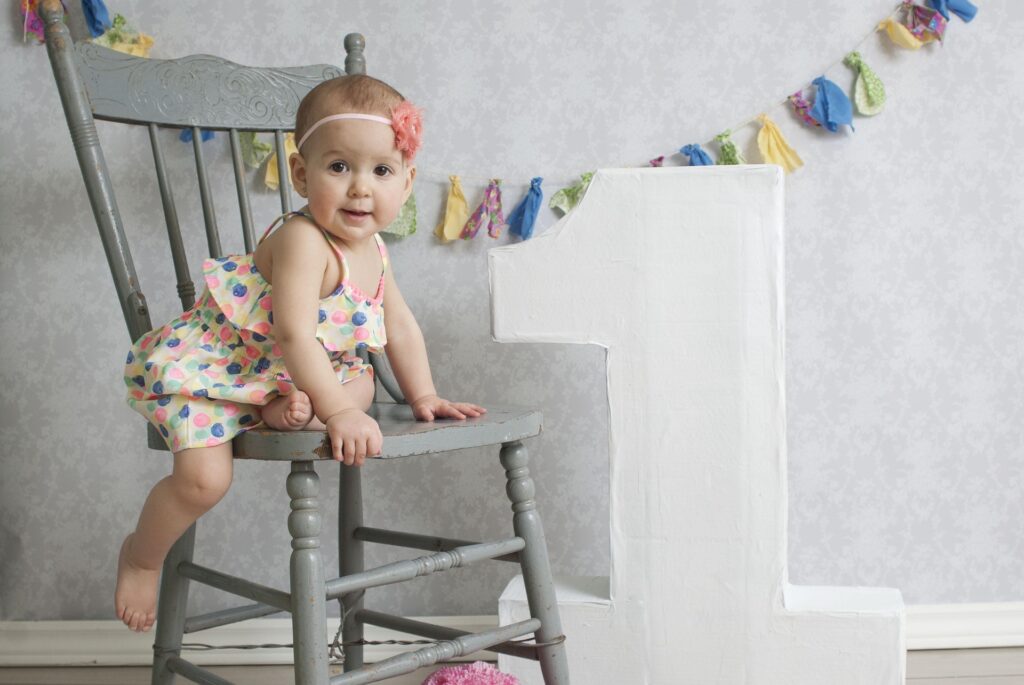
First birthdays become so monumental that parents stress themselves out for months on end. There are Pinterest boards for color-coordinated decorations, elaborate cake designs, and themes that necessitate using three different websites to order supplies. Yet these efforts aren’t necessary when planning a first birthday. Ultimately, it can be a low-key family get-together that everyone enjoys.
But where does the pressure come from? Social media and the ability to compare your options with the world. But if you think about it, a first birthday is a celebration not only of surviving the first year as new parents and caregivers but also a time for family and friends to come together. The birthday baby won’t remember anything, meaning it’s primarily for the adults—and potentially older siblings.
What Actually Counts
When planning gets overwhelming, something that counts more than decorations (which are fleeting) and a guest list—which ideally includes people who care about the family so the atmosphere is created without need for balloons—starts to fall into place.
The timing matters more than the theme. If decorations are minimal and the party revolves around nap time and mealtime windows, everyone will be in a good mood. Most parents find a two-hour window works best.
Food can be simple—finger foods, limited drinks, and cake cover everything guests expect. Some families do pizza; some people set out sandwich platters; some families simply ask people to bring something to share. Ultimately, enough for people not to be hungry.
Decorations can set the mood, but it doesn’t make sense to pay an arm and a leg for a party or plan for weeks on end. When a first birthday has to happen, resources online are available to guide someone through it. Balloons, a banner, streamers can create the happy atmosphere expected.
But the cake may be the biggest deal since photos will most likely feature it. But again, there’s no need to visit the expensive bakery for something custom made. A simple grocery store cake will do the trick—some people enjoy baking something themselves.
When Extra Help Makes Sense
For the parents so overwhelmed by everything, hiring help should be considered. Party planners plan everything from set up to breakdown with food included and entertainment options, so all the decision making is out of the parent’s hands.
Hiring a venue offers another option to remove extra stressors. Party planners and venues that organise a first birthday party handle everything from decorations to food to entertainment, taking all the decision-making off the parents’ plate. Whether it’s community centers, parks with pavilions, or small party venues, spaces exist without needing to clean the house beforehand. Many venues have tables and chairs as well as basic supplies, and many have inclusive packages with decorations and food options.
The Ideal Guest List
Determining who to invite can get tricky—but when extended families start piling in, keeping it a bit smaller tends to benefit everyone involved. 15-25 people provide enough youthful energy to feel celebratory without feeling overwhelming.
Some families have only family there, some families have only friend there. Others have smaller groups of friends with kids of similar ages. The right guest list is the one with which the parents want to spend their time.
One of the biggest mistakes parents make is trying to do everything by themselves. Most people offer to help, so why not let them? Someone can bring drinks, someone brings paper plates and napkins, maybe a family member picks up the cake.
As for the setup? It takes half the time when one or two people show up early—then parents don’t have to rush around stressed while their guests show up.
Activities That Fit
Entertainment should match age groups. The birthday baby isn’t going to participate in organized games and 1-year-olds don’t have long attention spans. A few toys out works well.
The cake smash will become the most photographed event, so parents should prepare an area for it—high chair, small cake should allow the baby to dig in while everyone captures candid moments.
If there are older siblings involved, some coloring books, bubbles, or a few toys work to keep them engaged—but organized games won’t hold much water at a first birthday party.
Making It Memorable
Photos will commemorate the day for sure—but no need to hire a professional photographer. Most smartphones work well enough and if someone in attendance can volunteer to take photos so parents can enjoy their own party, all the better.
Once everything is done, parents should not feel like stressed messes for celebrating this milestone at another year down in the books.
Celebrating a first birthday needs to go right so when the second one comes around in twelve months’ time it doesn’t become a whirlwind stressor after this milestone moment feels anything but right.
Prioritizing What Matters
Simplicity doesn’t mean it’s no longer special; it means knowing where connection and subsequent enjoyment comes from instead of focusing on something that looks good on photos.
Family and friends getting together to celebrate turning one is something naturally special. Therefore, it’s easier when parents give themselves permission to let things go and focus on what really matters to them whether it’s a backyard BBQ with close-knit friends or small gathering in the local park or hiring someone else to take care of things in a venue—they can finally enjoy this time.