
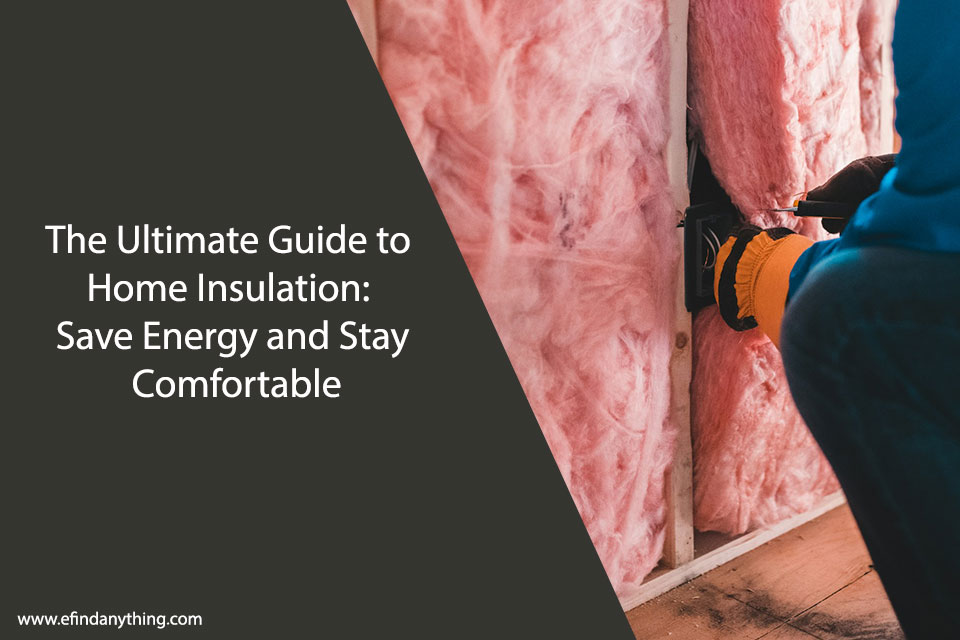


Efficient home insulation is one of the smartest investments you can make. By properly insulating your house, you can reduce energy usage, maintain a comfortable indoor temperature, and save money on utility bills. Insulation acts as a barrier to heat flow, keeping your home warm in winter and cool in summer. With so many options available, understanding the basics can make a big difference in choosing the right solution for your needs. This guide will outline everything you need to know about home insulation and how it can benefit your household.
Why Insulation Matters
Effective insulation makes your home energy-efficient by reducing the need for heating and cooling systems to work harder. This not only lowers utility bills but also minimizes your carbon footprint, making your home eco-friendly. Additionally, insulation enhances comfort by maintaining consistent indoor temperatures across seasons, reducing drafts and hot spots.
Energy Efficiency Benefits
Improved insulation significantly decreases heat loss in winter and prevents heat gain in summer. This results in less energy consumption, which directly translates to cost savings. Homes with poor insulation often use significantly more energy, leading to both higher expenses and unnecessary strain on HVAC systems.
Comfort and Noise Reduction
Proper insulation also enhances living comfort by maintaining even temperatures throughout the house. It prevents external noise from entering your home, creating a quieter and more restful environment, especially near busy roads or noisy neighborhoods.
Types of Insulation Materials
There are various types of insulation materials available, each suited for specific areas of the home and climate conditions. Choosing the right one ensures optimal effectiveness and long-term performance.
Fiberglass Insulation
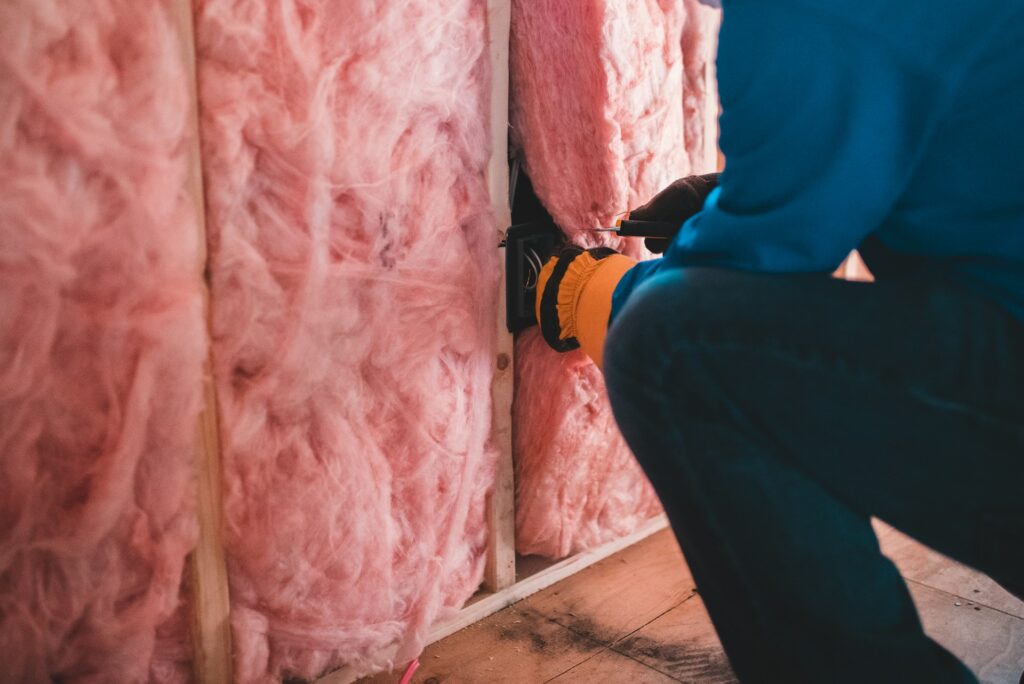
Fiberglass is one of the most popular insulation materials due to its affordability and effectiveness. It comes in two forms—batts and rolls—making it easy to install. This material is ideal for attics, walls, and flooring and provides excellent thermal resistance.
Spray Foam Insulation
Spray foam insulates and seals gaps simultaneously, offering superior air barrier properties. It’s particularly effective for irregularly shaped spaces and hard-to-reach areas. Although it is pricier than other materials, the energy savings can offset the initial cost over time.
Cellulose Insulation
Made from recycled paper materials, cellulose is an eco-friendly option for homeowners. This material is dense and effective at reducing air leaks, making it a great choice for walls and attics.
Rigid Foam Insulation
Rigid foam boards are durable and have a high insulating value, even in thin layers. It’s ideal for exterior walls, basements, and under floors in areas with moist or wet conditions, as it resists water and mold.
Insulation Placement
Where insulation is installed impacts its effectiveness. To save the most energy and maintain consistent temperatures, focus on the areas that lose or gain the most heat.
Attic Insulation
Heat rises, which makes the attic one of the primary sources of heat loss. Properly insulating the attic can prevent up to 25% of heat loss in your home. Consider using loose-fill or batts for this area to ensure comprehensive coverage.
Wall Insulation
Walls make up a large portion of your home’s exterior and can contribute to significant heat transfer if not insulated properly. Installing insulation during construction or retrofitting existing walls improves energy efficiency.
Floor Insulation
Insulating the floors, especially over unheated spaces such as garages or basements, can enhance comfort by eliminating drafts and maintaining warmth during colder months.
Crawl Spaces and Basements
These areas are often overlooked but play a major role in energy loss. Spray foam or rigid foam boards can be used to insulate and seal these spaces effectively.
When considering comprehensive home insulation, it’s crucial not to overlook the crawlspace. Properly insulating this area can significantly enhance your home’s energy efficiency and comfort. By addressing potential moisture and air leakage issues, you can prevent heat loss and reduce energy bills. For those looking to improve their crawlspace insulation, you can view our crawlspace solutions to explore effective methods and materials that ensure optimal performance. This step not only contributes to a more comfortable living environment but also supports the longevity of your home’s structure by preventing issues like mold and dampness.
Assessing Your Insulation Needs
Before upgrading or installing new insulation, it’s essential to evaluate your current home insulation and identify areas needing improvement.
Understanding R-Values
R-value measures the thermal resistance of insulation. The higher the R-value, the better the insulation performance. Depending on your region’s climate, you may need higher or lower R-values to achieve optimal efficiency.
Home Energy Audit
A professional energy audit assesses your home’s energy usage and identifies areas with insufficient insulation. For residents seeking home insulation services in Provo, a local provider can evaluate your energy efficiency needs and recommend the best insulation solutions tailored to your home.
DIY vs. Professional Installation
While some insulation types, like batts, can be installed as a DIY project, others, such as spray foam, require professional expertise. Ensure you choose the right option based on your skill level and the scope of the project.
Maintenance and Long-Term Benefits
Once your home is properly insulated, maintenance is key to ensuring continued efficiency. Periodically check for wear and tear, gaps, or moisture damage that could compromise insulation effectiveness.
Regular Inspections
Inspect areas like the attic, basement, and walls annually for signs of damage. This can include sagging material, water stains, or pest infestations.
Sealing Air Leaks
Proper insulation works hand-in-hand with air sealing. Ensure windows, doors, and ducts are sealed to prevent energy loss and maintain consistent indoor temperatures.
To further enhance your understanding of home insulation and explore advanced solutions tailored to your specific needs, consider diving deeper into expert resources. Learn More about the latest insulation technologies, materials, and techniques that can significantly improve your home’s energy efficiency and comfort levels. By staying informed, you can make educated decisions that not only reduce your energy bills but also contribute to a more sustainable living environment. Whether you’re renovating an older home or building a new one, having the right insulation strategy is crucial for long-term savings and comfort.
Conclusion
Investing in home insulation is a practical and impactful way to improve energy efficiency, enhance comfort, and lower your utility bills. By choosing the right materials, focusing on key areas of heat transfer, and maintaining your insulation over time, you can enjoy the benefits of a well-insulated home for years to come. If you’re unsure where to start, consider consulting experts to evaluate your home and recommend the best insulation solutions for your specific needs.