

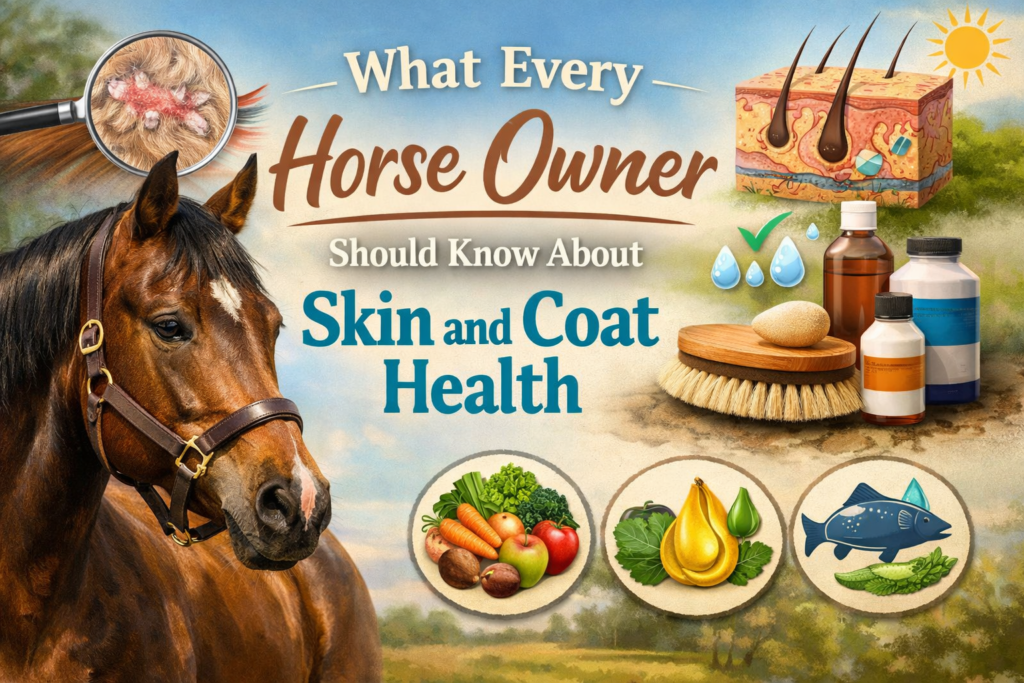
Skin and coat health is sometimes neglected by horse owners. They recognize a coat’s worth as more than skin deep, thanks to its indications of illness or discomfort, but they fail to connect skin health with ease of maintenance. When skin and coat health is compared to lameness or equine nutrition, it should carry the same weight, especially relative to the muddy months of the year.
What the Coat is There For
The coat serves a practical purpose beyond aesthetic value. It protects from temperature changes, moisture and insects. More importantly, it serves as a barrier against the pathogens that are ever present and ready to wreak havoc on an inappropriate body part. When the skin barrier is intact, organisms that cause infection and other issues do not matter. When it’s compromised due to extended moisture exposure or minor cuts and abrasions, infections set in.
Owners need to know about effective mud fever treatments before it happens because once the barrier is gone, it’s too late. The winter/spring months have a tendency to keep horses muddy longer, making it increasingly likely conditions result.
Why Muddy Conditions Change Everything
Skin that is wet for too long becomes macerated and susceptible to secondary infections. It’s not just the muddy condition themselves; it’s how long they’re exposed for. This is especially true in the wet months. Horses who live in perpetually muddy conditions require closer attention than those who have access to drier ground. Such concerns crop up far more easily in spring and fall when pastures lose their dry footing and horses stand in mud up to their knees.
Which Conditions Are Most Common
Mud fever, greasy heel and rain rot are three conditions that crop up with relative ease. Mud fever shows up as scabbing on the lower legs and it feels hot to the touch. Greasy heel occurs at the heel/pastern junction, where the skin becomes red from irritation. Rain rot appears across the back through crusty patches with exposed dermis underneath. This can be seen in the hindquarters, as well, as scabs that lift right off.
These three conditions happen most with similar organisms and are treated broadly similarly in that they emerge in proximal locations but can occur anywhere. They also develop more rapidly if ignored so knowing this makes a world of difference.
Why Some Horses Are More Susceptible
Not every horse will develop concerns in the same conditions at the same time and this is due to physiological differences based on vulnerability. Horses with pink or white skin on their lower legs tend to be more irritated by moisture than those who have darker skin. Those with finer coats often lack the natural protection heavier coated horses receive for warmth. Those who also experience nutritional deficiencies or reduced immunity will be more susceptible, as well. Understanding which horses make up the group will help determine who might need closer attention during wetter periods.
The Feathered Breeds
Feathered breeds get additional mention here because their feathering often traps moisture near the dermis level, causing the very problem that’s easiest for bacteria to cling to in warm, moist environments. Oftentimes, issues develop behind the scenes before they’re visible through the outside world—regular checks of feathering are required for these horses, especially in winter/spring months when everything’s continually wet.
Why Grooming is Important
Grooming is one of the easiest ways to keep an eye out for skin problems. Running a brush over a body helps keep an eye on the coat but also checking legs/underbellies helps people link moisture content and coat condition as something that should be immediately reported.
A small patch of scabbing found sooner will be easier to manage than one that’s been left alone for a week to spread and worsen. Anyone who has a horse in a rug will admit they’re less inclined to notice little changes because they don’t check inside the rug regularly; however, this only allows problems behind closed doors that become worse faster.
How Nutrition Impacts Skin/Coat Quality
The connection between nutrients and coat quality are well established. Horses who are deficient show it through their coat first, usually before any other symptoms arise. Getting nutrition right helps support the derma’s naturally occurring mechanisms to keep things at bay, so it’s not purely from an aesthetic perspective.
Some horses lack access to pasture enough food when thin, heavy workers may need supplementation for qualities not otherwise available through forage. If coat quality is a concern across seasons, speaking with an equine nutritionist about gaps may be a solid next step.
What Owners Have the Least Amount of Trouble
Usually owners who have the least amount of trouble with problematic skin conditions are those who anticipate them as part of their daily routine. Managing mud conditions within pastures for those without natural streams or some form of output helps but keeping legs dry/clean after turnout and having appropriate treatments on hand keeps things at bay before they become more serious in diagnosis. It’s rare for skin problems to emerge out of nowhere but when they do, there’s almost always something that presents before it becomes too much to handle. A concerted effort toward observation and proactive measures when something seems amiss go a long way toward keeping horses happy.