

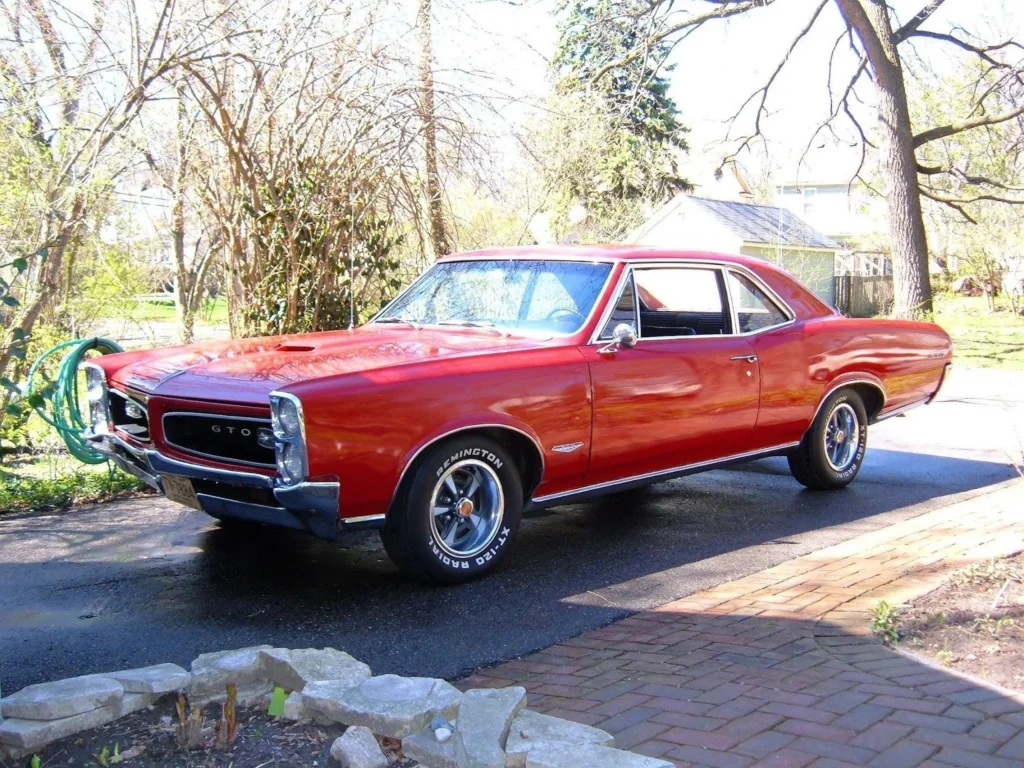
There’s a reason classic muscle cars continue to command attention long after their production years have passed. While the automotive world pushes forward with electrification and digital innovation, these machines remain firmly rooted in enthusiast culture. Their appeal isn’t based on nostalgia alone—it’s tied to design clarity, mechanical honesty, and a driving experience that feels direct and unfiltered.
Among these icons, late-1960s fastbacks have carved out a particularly strong presence. Their combination of aggressive styling and performance heritage continues to influence both collectors and modern manufacturers, making them a central part of today’s automotive conversation.
What Sets Muscle Cars Apart from Modern Vehicles
Modern cars are engineered for efficiency, safety, and convenience. They rely heavily on software, driver-assistance systems, and refined aerodynamics. Muscle cars, by contrast, were built with a different philosophy—one that prioritized raw power and driver engagement above all else.
This difference is immediately noticeable behind the wheel. The absence of digital intervention creates a more immersive experience, where every input from the driver translates directly into the car’s behavior. It’s a level of connection that many modern vehicles struggle to replicate.
At the same time, this simplicity makes muscle cars easier to understand and maintain, which adds to their long-term appeal among enthusiasts.
The Enduring Appeal of the 1968 Mustang Fastback
Design That Still Feels Relevant
The 1968 Mustang fastback represents a perfect balance between form and function. Its sloping roofline and muscular proportions give it a presence that remains striking even by today’s standards. Unlike many modern designs that prioritize aerodynamics over character, the fastback manages to achieve both.
This timeless quality is a major reason why the model continues to attract interest. It doesn’t feel like a relic of the past—it feels like a design that could exist in any era.
Performance Roots That Shaped a Generation
The fastback wasn’t just about looks. It was engineered to perform, with powerful engine options and a chassis designed to handle increased output. This combination made it a favorite among racers and street enthusiasts alike.
Its influence can still be seen in modern performance cars, many of which borrow design cues and engineering principles from this era. A broader look at the greatest muscle cars ever built highlights how models like the Mustang helped define the category as a whole.
Buying Classic Muscle Cars in Today’s Market
The market for classic muscle cars has evolved significantly over the past decade. What was once considered a niche hobby has become a serious investment category, attracting buyers from a wide range of backgrounds. This increased demand has led to higher prices, particularly for well-preserved or accurately restored models.
For those entering the market, understanding what to look for is essential. Factors such as originality, build quality, and documentation all play a role in determining value. Buyers should also consider how they plan to use the car, as this can influence the type of vehicle that best suits their needs.
Finding the Right 1968 Mustang Fastback for Sale
For enthusiasts searching for a 1968 Mustang fastback for sale, the process involves more than simply browsing listings. It requires a careful evaluation of the vehicle’s condition, history, and overall authenticity. Original models can offer historical value, while modern builds provide enhanced reliability and usability.
The choice often comes down to priorities. Some buyers prefer the originality and collector appeal of a factory car, while others value the practicality of a vehicle that has been updated with modern components. Both options have their advantages, and understanding these differences is key to making an informed decision.
As the market continues to grow, access to high-quality builds has made it easier for enthusiasts to find vehicles that align with their expectations.
Comparing Classic Muscle to Modern Utility Vehicles
Different Purposes, Different Strengths
It’s interesting to compare muscle cars with modern utility vehicles, such as SUVs. While muscle cars focus on performance and driving experience, SUVs prioritize versatility and practicality. Each serves a different purpose, which is why both categories continue to thrive.
For example, drivers evaluating everyday usability might explore this guide to hidden gem sports cars under $8K that rival $40K hot hatches, while enthusiasts seeking a more engaging experience may lean toward a classic muscle car. These choices reflect broader lifestyle preferences rather than direct competition.
Why Enthusiasts Choose Muscle Cars
Despite the practicality of modern vehicles, muscle cars offer something unique: a sense of occasion. Driving one feels deliberate and engaging, turning even a short trip into an experience. This emotional connection is a major factor in their continued popularity.
As more vehicles become automated, this sense of involvement becomes increasingly valuable, reinforcing the appeal of classic performance cars.
The Future of Classic Car Enthusiasm
Looking ahead, the role of classic muscle cars is unlikely to diminish. If anything, their importance may grow as the automotive landscape becomes more technology-driven. They serve as a reminder of a time when driving was less about convenience and more about connection.
Younger generations are also beginning to show interest in these vehicles, often drawn by their design and the unique experience they offer. This shift suggests that the market will continue to evolve while maintaining strong demand for iconic models.
At the same time, modern builds and recreations are making classic designs more accessible, ensuring that the experience remains relevant for a wider audience.
Conclusion
Classic muscle cars continue to dominate the enthusiast market because they offer something that modern vehicles often cannot replicate: authenticity. Their combination of design, performance, and cultural significance creates a lasting appeal that transcends trends and technological shifts.
The 1968 Mustang fastback stands as a prime example of this enduring influence. Whether viewed as an investment, a passion project, or simply a way to enjoy driving, it represents a connection to a defining era in automotive history—one that continues to shape the way we think about cars today.