
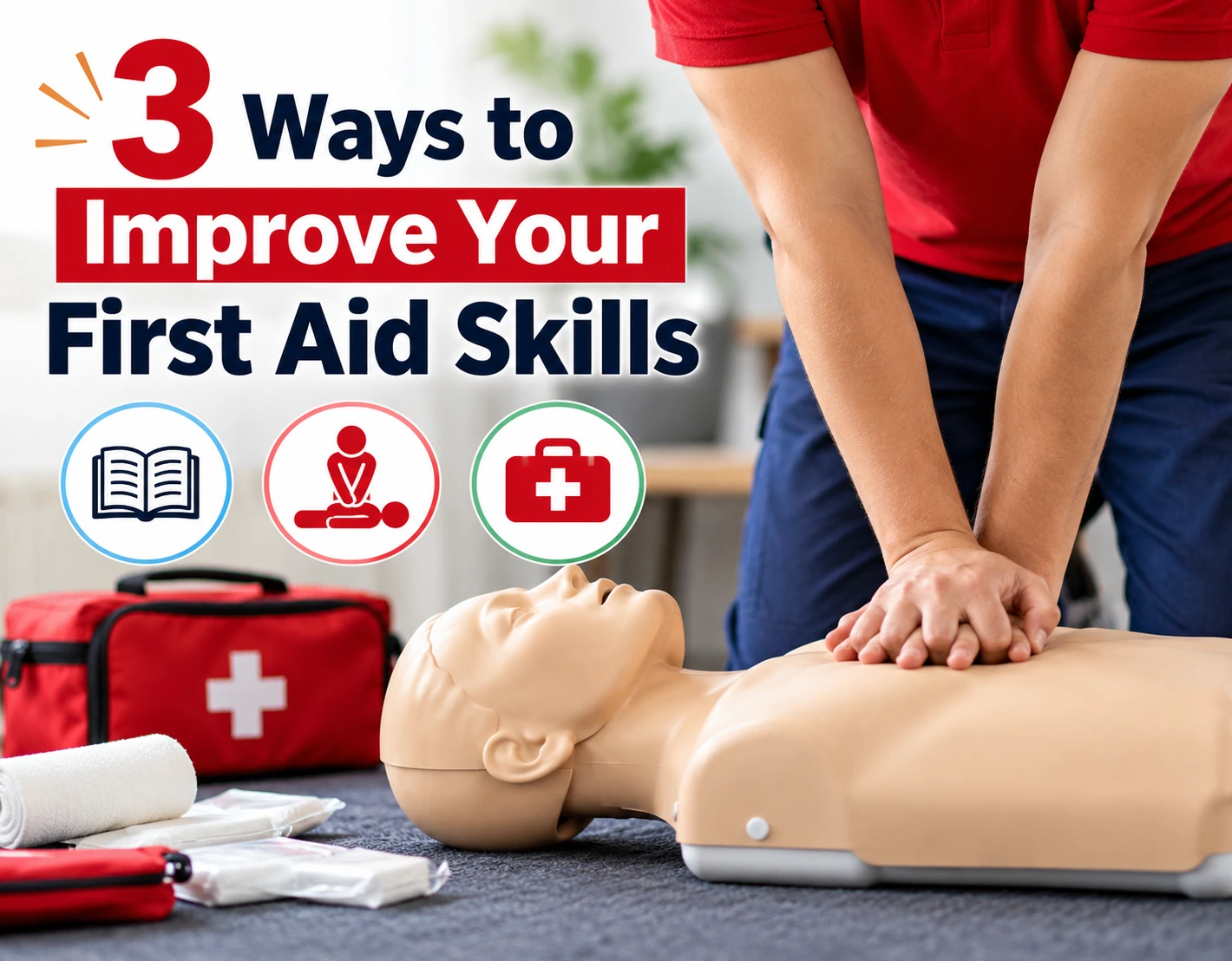
Knowing what to do during a medical emergency can make a significant difference while you wait for professional help to arrive. You don’t need to be a doctor or medical professional to learn basic first aid. With the right training and regular practice, you can become more prepared to respond calmly and appropriately when someone needs assistance.
Learning first aid is about more than memorizing a few techniques. It involves understanding how to assess an emergency, knowing when to seek professional medical help, and practicing essential skills so they are easier to recall under pressure.
If you want to improve your first aid skills, there are several practical steps you can take. From completing a certified course to regularly reviewing what you’ve learned, these habits can help build your knowledge and confidence.
1. Take a First Aid Course
One of the most effective ways to improve your first aid skills is to take a structured first aid course. A formal course gives you the opportunity to learn essential techniques from an experienced instructor rather than relying only on information you find online.
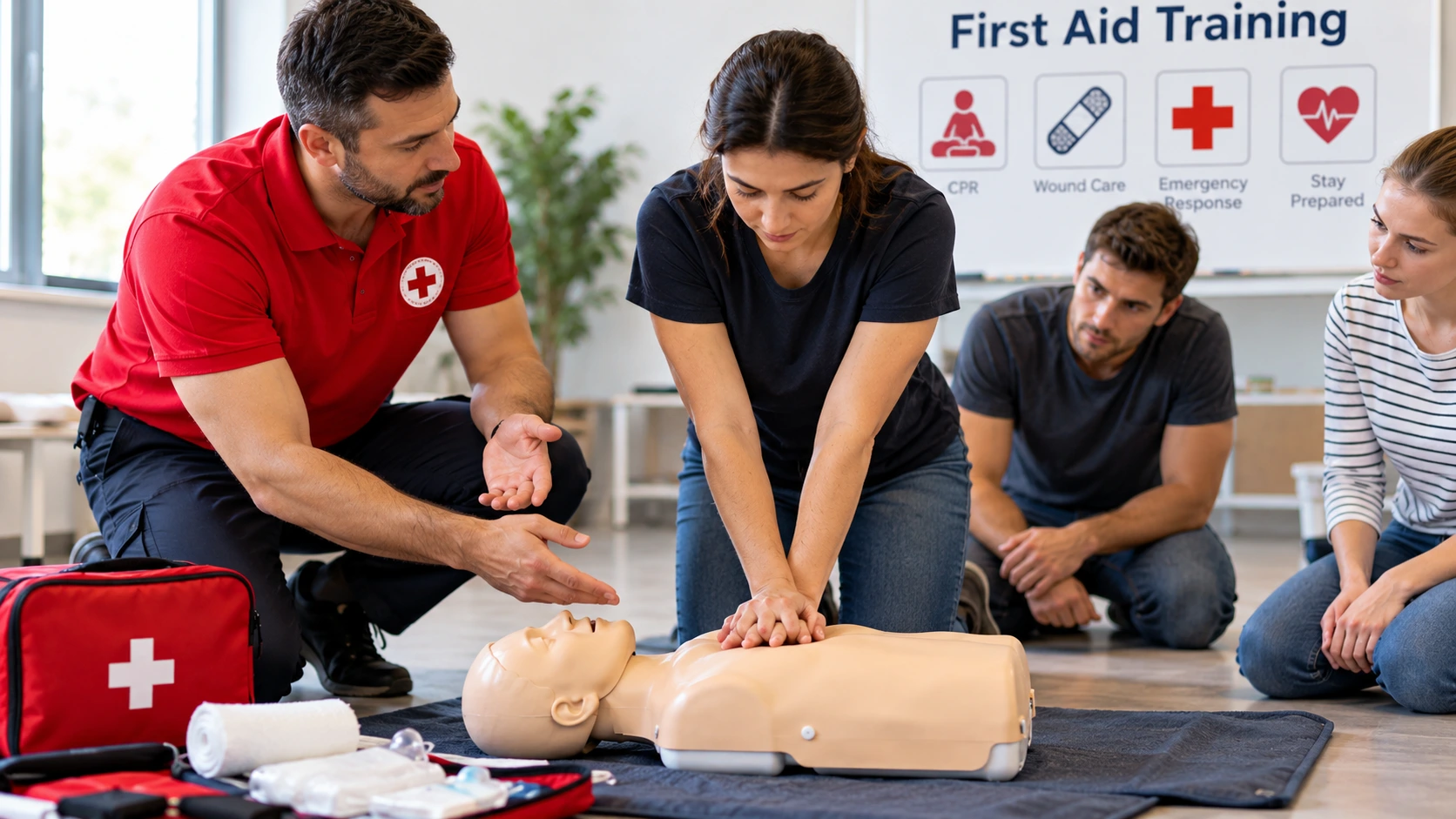
First aid courses can cover a variety of situations and skills, including how to respond to bleeding, recognize potential signs of serious medical emergencies, place an unresponsive person in the recovery position when appropriate, and perform CPR. Depending on the course, you may also learn how to respond to burns, choking, fractures, and other common emergencies.
Another advantage of taking a course is the opportunity to practice. Hands-on training allows you to work through realistic scenarios and become familiar with first aid equipment under the guidance of an instructor.
Taking CPR and First Aid Certifications can be a useful way to develop practical knowledge and confidence. Obtaining CPR certifications can also help you build the skills needed to respond appropriately to different emergency situations. In addition to supporting personal preparedness, first aid education can contribute to greater safety in workplaces, homes, schools, and communities.
2. Practice Your First Aid Skills Regularly
Learning first aid once is not necessarily enough. Regular practice can help you stay familiar with important procedures and make it easier to remember what you have learned when an emergency occurs.
You can practice by reviewing different emergency scenarios and thinking through how you would respond. For example, you might work through a simple checklist covering how to assess the situation, protect yourself from danger, contact emergency services when necessary, and provide appropriate first aid within your level of training.
Hands-on practice is particularly useful for skills such as CPR and recovery-position techniques. If possible, practice under the supervision of a qualified instructor rather than attempting unfamiliar procedures without guidance.
Role-playing, simulated scenarios, checklists, and refresher sessions can all make your practice more effective. Regular refreshers are also helpful because first aid recommendations and training guidance can change over time.
3. Stay Informed and Keep Your Training Updated
First aid knowledge should be kept current. Recommendations, training guidelines, and emergency response practices can be updated as new evidence becomes available. Staying informed helps you avoid relying on outdated information.
Make a habit of reviewing reliable first aid resources and checking whether your certification or training needs to be renewed. You can also use reputable educational resources to refresh your understanding of basic first aid principles between formal training sessions.
The American Red Cross is one example of an organization that provides first aid and emergency preparedness information. Reviewing resources from established organizations can help you learn more about current first aid practices and identify opportunities for additional training.
Taking part in a refresher course offered by the American Red Cross or another qualified local provider can be another useful way to maintain your knowledge. Online resources can supplement your learning, but hands-on instruction is especially valuable for practical emergency response skills.
Why Are First Aid Skills Important?
Emergencies can happen at home, at work, while traveling, or in public places. In some situations, there may be a period of time between an incident occurring and professional medical help arriving. Basic first aid knowledge can help you respond appropriately during that time.
First aid training can also help you recognize situations that require urgent medical attention. Just as importantly, proper training teaches you to consider your own safety and avoid actions that could make an injury worse.
How to Build Confidence in First Aid
Confidence comes with knowledge and practice. If you feel nervous about responding to an emergency, start with a recognized first aid course and focus on learning a few fundamental skills at a time.
Review your course materials regularly, practice appropriate techniques, and ask instructors questions when you are unsure about something. Keeping a basic first aid kit accessible at home or work can also help you become more prepared, although having supplies is only one part of effective emergency preparedness.
Frequently Asked Questions About Improving First Aid Skills
How can I improve my first aid skills?
You can improve your first aid skills by completing a recognized first aid course, practicing appropriate techniques regularly, reviewing reliable resources, and taking refresher training when needed. Hands-on practice with a qualified instructor can be particularly helpful for practical skills such as CPR.
How often should I practice first aid skills?
Regularly reviewing and practicing your skills can help you remain familiar with first aid procedures. The appropriate refresher schedule can depend on the type of training you have completed, so check the recommendations provided by your training organization and certification provider.
Is first aid training useful if I am not a healthcare professional?
Yes. First aid courses are designed for people with different levels of experience, including individuals without a healthcare background. Training can teach you how to recognize emergencies, provide appropriate basic assistance within your training, and seek professional help when necessary.
Why is CPR included in many first aid courses?
CPR is an important emergency response skill and is commonly included in first aid training programs. Learning CPR through an appropriate training course gives participants an opportunity to learn and practice the technique under qualified instruction.
Can I learn first aid entirely online?
Online resources can help you learn first aid concepts and review information, but some practical skills are best learned through hands-on training. For skills such as CPR, a course that includes practical instruction can provide an opportunity to practice techniques under appropriate supervision.
Improve Your First Aid Skills Today
Being prepared for an emergency starts with learning the basics. Taking a recognized first aid course, practicing your skills regularly, and keeping your knowledge up to date can help you feel more prepared to respond when assistance is needed.
Remember that first aid is not a substitute for professional medical care. When an emergency occurs, contact the appropriate emergency services and follow guidance from qualified professionals whenever possible.
Start building your first aid knowledge today, and continue refreshing your skills as your training and guidance evolve. Visit our blog for more helpful articles and practical tips.