


Dogs are known to be man’s best friend, and as pet owners, we always want to ensure that our furry friends are healthy and happy. One aspect of a dog’s health that many pet owners may overlook is their diet. While there are many human foods that are safe for dogs to eat, there are also many that can be harmful. One food that may be unfamiliar to some pet owners is jaggery. In this article, we will answer the question, “Can dogs eat jaggery?
Jaggery is a type of unrefined sugar that is commonly used in Indian and South Asian cuisine. It is made by boiling sugarcane juice until it becomes thick and then allowing it to cool and solidify. While jaggery is often touted as a healthier alternative to refined sugar, it is important to consider whether it is safe for our furry friends. As responsible pet owners, we want to ensure that we are providing our dogs with a balanced and nutritious diet, so it is important to know whether jaggery is a safe addition to their meals.
When it comes to feeding our dogs human foods, it is important to exercise caution and do our research. While some foods may be safe for us to eat, they may not be safe for our dogs. In the case of jaggery, there are a few things to consider before adding it to your dog’s diet. In the following sections, we will explore the nutritional value of jaggery and whether it is safe for dogs to consume.
What Is Jaggery?

Jaggery is a traditional sweetener that is commonly used in various cuisines across the world. It is made from sugarcane juice or palm sap, which is boiled and then left to cool and solidify into a block or cake-like form. Jaggery is often used as a substitute for refined sugar and is considered to be a healthier alternative due to its natural composition.
Origins of Jaggery
Jaggery has been used in Ayurvedic medicine for centuries and is believed to have originated in India. It was traditionally made by boiling sugarcane juice in large, open pans until it thickened and then pouring it into moulds to cool and solidify. Today, jaggery is produced in many countries, including Sri Lanka, Bangladesh, and Indonesia.
Nutritional Profile of Jaggery
Jaggery is a rich source of nutrients and contains various minerals and vitamins that are essential for our health. It is a good source of iron, magnesium, and potassium, which are important for maintaining healthy blood pressure and preventing anemia. Jaggery also contains antioxidants and has anti-inflammatory properties.
Here is a table summarizing the nutritional content of jaggery:
| Nutrient | Amount per 100g |
|---|---|
| Calories | 383 |
| Carbohydrates | 98g |
| Protein | 1g |
| Fat | 0.4g |
| Iron | 11mg |
| Magnesium | 70mg |
| Potassium | 1050mg |
Overall, jaggery is a natural sweetener that is rich in nutrients and has several health benefits. However, like any sweetener, it should be consumed in moderation as it is high in calories and can contribute to weight gain if consumed in excess.
Can Dogs Eat Jaggery?

Jaggery is a traditional sweetener that is commonly used in many Asian countries. It is made by boiling sugarcane juice until it thickens and solidifies. Jaggery is often used as a substitute for sugar in many recipes, and it is also believed to have some health benefits. However, when it comes to feeding jaggery to dogs, there are some things that pet owners need to keep in mind.
Potential Benefits
Jaggery contains many essential vitamins and minerals that are beneficial for dogs. It is rich in iron, calcium, magnesium, and potassium. These minerals are essential for maintaining healthy bones, teeth, and muscles. Jaggery also contains antioxidants that can help boost the immune system and protect against diseases.
Possible Risks
While jaggery may have some potential benefits for dogs, it is important to note that it is still a form of sugar. Too much sugar can cause a range of health problems for dogs, including obesity, diabetes, and dental issues. Additionally, jaggery can be difficult for dogs to digest, which can lead to digestive problems such as diarrhea and vomiting.
It is also important to note that jaggery may contain impurities and contaminants that can be harmful to dogs. These impurities can include dirt, dust, and even animal waste. Therefore, it is important to only feed your dog jaggery that is of high quality and free from any contaminants.
In conclusion, while jaggery may have some potential benefits for dogs, it is important to feed it in moderation and with caution. Pet owners should consult with their veterinarian before adding jaggery to their dog’s diet to ensure that it is safe and appropriate for their individual pet.
How to Safely Introduce Jaggery to Your Dog

When introducing any new food to your dog’s diet, it is important to do so gradually. This allows their digestive system to adjust and reduces the risk of any adverse reactions. Here are some tips on how to safely introduce jaggery to your dog:
Appropriate Quantities
Jaggery should only be given to your dog in small quantities as a treat. Too much jaggery can lead to digestive issues and an upset stomach. As a general rule, jaggery should not make up more than 10% of your dog’s daily calorie intake. Consult with your veterinarian to determine the appropriate amount of jaggery for your dog based on their weight and overall health.
Monitoring Your Dog
After introducing jaggery to your dog’s diet, it is important to monitor them for any adverse reactions. Signs of an adverse reaction may include vomiting, diarrhea, or lethargy. If you notice any of these symptoms, stop giving your dog jaggery and contact your veterinarian.
It is also important to note that jaggery is high in sugar and should not be given to dogs with diabetes or other health conditions that require a low-sugar diet.
By following these tips, you can safely introduce jaggery to your dog as a tasty and healthy treat.
Alternatives to Jaggery for Dogs
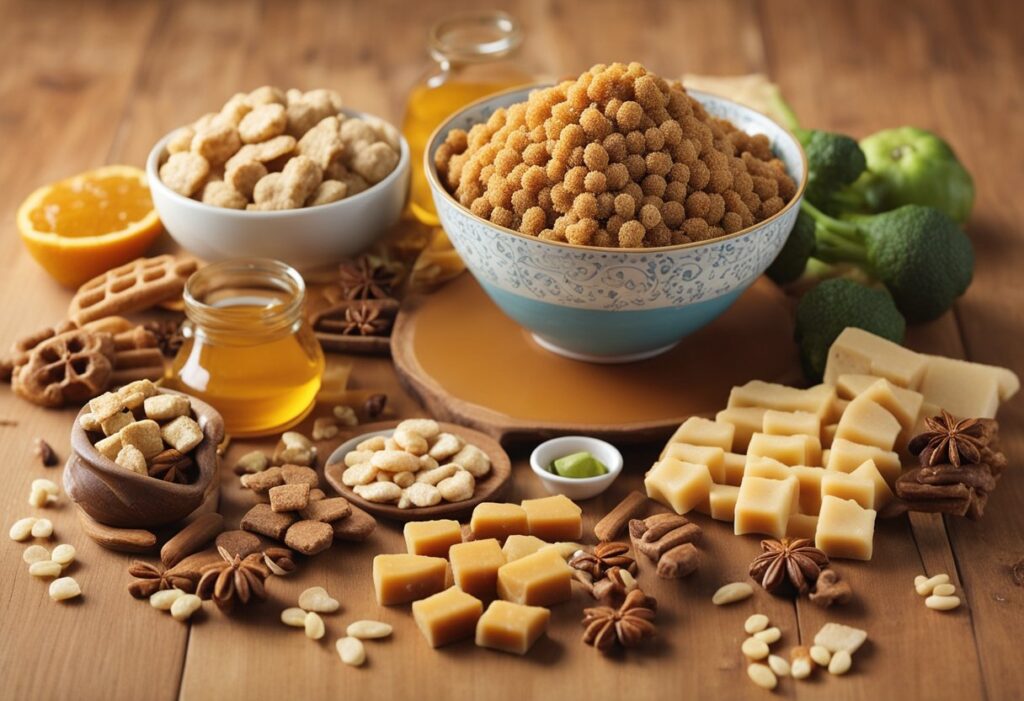
When it comes to sweetening your dog’s treats, it’s important to choose safe and healthy options. While jaggery can be a natural sweetener, it’s not recommended for dogs due to its high sugar content. Fortunately, there are plenty of alternatives that you can use to add a touch of sweetness to your pup’s snacks.
Safe Sweeteners for Dogs
Here are some safe sweeteners that you can use to replace jaggery in your dog’s treats:
- Honey: Honey is a natural sweetener that contains antioxidants and has antibacterial properties. However, it’s important to note that honey should not be given to puppies under one year of age or to dogs with diabetes.
- Applesauce: Unsweetened applesauce can be used as a low-calorie sweetener in your dog’s treats. It’s also a good source of fiber and vitamins.
- Coconut oil: Coconut oil can be used to add a touch of sweetness to your dog’s treats while also providing health benefits. It contains medium-chain triglycerides that can improve digestion and boost energy.
- Stevia: Stevia is a natural sweetener that comes from the leaves of the Stevia rebaudiana plant. It’s low in calories and safe for dogs to consume in small amounts.
Healthy Treats for Dogs
In addition to using safe sweeteners, you can also make healthy treats for your dog that don’t require any added sugar. Here are some ideas:
- Carrot sticks: Carrots are a low-calorie snack that are high in fiber and vitamins. They also help to clean your dog’s teeth and freshen their breath.
- Frozen fruits: Frozen fruits like blueberries, strawberries, and bananas can be a refreshing and healthy treat for your dog. Just make sure to remove any seeds or pits before serving.
- Peanut butter: Peanut butter is a tasty and nutritious treat that can be used to make a variety of snacks for your dog. Just make sure to choose a brand that doesn’t contain xylitol, which is toxic to dogs.
By using safe sweeteners and making healthy treats, you can provide your dog with delicious snacks that won’t harm their health.
When to Consult a Veterinarian

While jaggery may be safe for dogs in small amounts, it is important to monitor their consumption and look out for any adverse effects. If you notice any of the following symptoms after your dog has consumed jaggery, it is best to consult a veterinarian:
- Diarrhea
- Vomiting
- Loss of appetite
- Lethargy
- Increased thirst or urination
Additionally, if your dog has a pre-existing medical condition such as diabetes, it is important to consult with a veterinarian before introducing jaggery to their diet. Jaggery is high in sugar and can cause a spike in blood sugar levels, which can be dangerous for dogs with diabetes.
If you are unsure about whether or not jaggery is safe for your dog, it is always best to consult with a veterinarian. They can provide personalized advice based on your dog’s individual needs and medical history.
Frequently Asked Questions
Is jaggery safe for canine consumption?
Jaggery, also known as unrefined cane sugar, is generally safe for dogs to consume in small quantities. However, it is important to note that too much sugar, including jaggery, can lead to health issues in dogs such as obesity, dental problems, and diabetes.
What are the health implications of feeding sugar to dogs?
Feeding sugar to dogs can lead to various health issues such as obesity, dental problems, and diabetes. It is important to limit the amount of sugar in a dog’s diet and to choose healthier alternatives.
Are there any benefits of including jaggery in a dog’s diet?
Jaggery contains some nutrients such as iron, calcium, and magnesium, which can be beneficial for dogs in small amounts. However, there are other healthier sources of these nutrients that are more suitable for a dog’s diet.
What alternative sweeteners are safe for dogs?
There are some alternative sweeteners that are safe for dogs, such as honey, molasses, and stevia. However, it is important to use these sweeteners in moderation and to consult with a veterinarian before adding them to a dog’s diet.
How does jaggery compare to regular sugar for dogs?
Jaggery is a less refined form of sugar compared to regular sugar, but it still contains high levels of sugar. Both jaggery and regular sugar should be limited in a dog’s diet to prevent health issues.
Can the consumption of jaggery lead to weight issues in dogs?
Yes, consuming too much jaggery can lead to weight issues in dogs. It is important to limit the amount of sugar in a dog’s diet and to choose healthier alternatives to prevent obesity and other health issues.