Leopard geckos are a popular pet reptile species that require a proper diet to maintain their health and well-being. One question that often arises among leopard gecko owners is whether or not it is safe for them to eat baby mice. In this article, we will explore this topic in depth and provide you with all the information you need to know.
Leopard geckos are known for their insectivorous diet, which means they primarily eat insects. However, they may occasionally consume small amounts of other foods, including baby mice. While this may seem like a natural food source for them, it is important to understand the potential risks and benefits of feeding your leopard gecko baby mice before doing so. We will examine the nutritional value of baby mice and discuss whether or not they are a safe and appropriate food source for your leopard gecko.
Dietary Habits of Leopard Geckos

Leopard Geckos are known to be insectivores, meaning they primarily feed on insects. However, they are also known to eat small vertebrates, such as baby mice, in the wild. In captivity, it is important to provide a balanced diet that mimics their natural diet.
Natural Prey in the Wild
In their natural habitat, leopard geckos feed on a variety of insects such as crickets, mealworms, waxworms, and roaches. They also feed on small vertebrates such as lizards, snakes, and baby mice. It is important to note that their diet varies depending on their age and size.
Common Captive Diet
In captivity, leopard geckos can be fed a variety of insects, including crickets, mealworms, waxworms, and roaches. It is important to ensure that the insects are gut-loaded, meaning they are fed a nutritious diet before being fed to the leopard gecko. Additionally, it is important to dust the insects with calcium and vitamin supplements to ensure that the leopard gecko is receiving proper nutrition.
While some leopard gecko owners choose to feed their geckos small vertebrates such as baby mice, it is important to note that this is not a necessary part of their diet. In fact, feeding them too many vertebrates can lead to health problems such as obesity and liver disease.
Overall, providing a balanced diet that mimics their natural diet is important for the health and well-being of leopard geckos. By ensuring that they are fed a variety of gut-loaded insects and supplemented with calcium and vitamins, leopard geckos can thrive in captivity.
Feeding Practices for Leopard Geckos
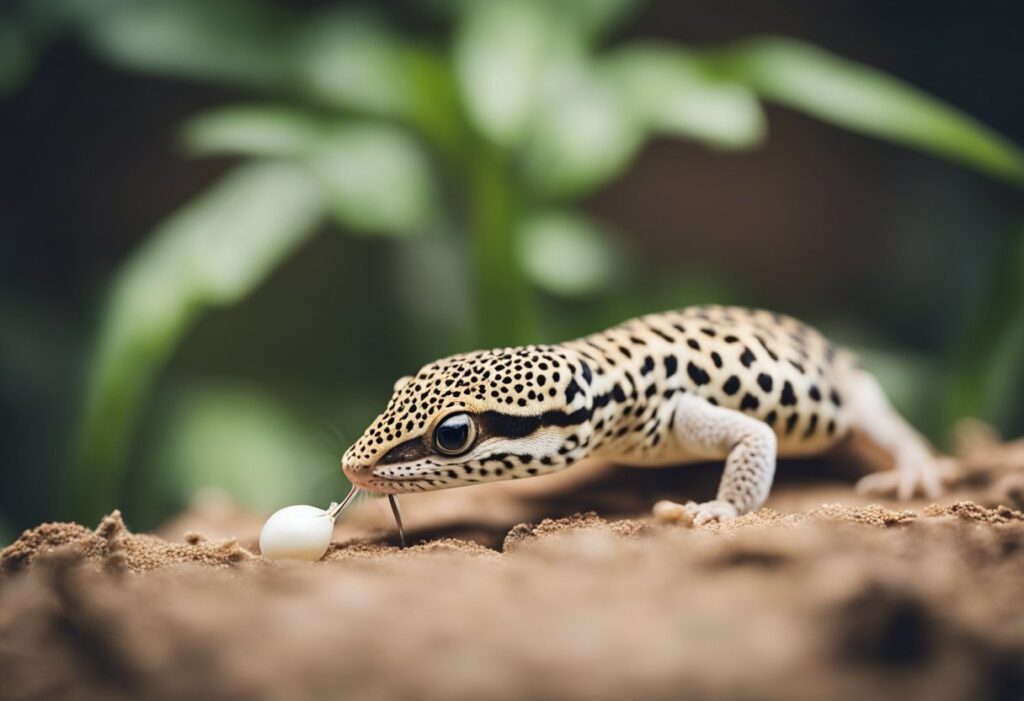
Leopard geckos are insectivores, which means they eat insects and other small invertebrates. However, some leopard gecko owners may wonder if they can feed their pets baby mice. In this section, we will discuss the feeding practices for leopard geckos, including their feeding schedule, appropriate prey size, and supplementation and nutrition.
Feeding Schedule
Leopard geckos should be fed every day or every other day, depending on their age and size. Juvenile geckos require more frequent feedings than adult geckos. It is important to note that leopard geckos are nocturnal, so they should be fed during the evening or night.
Appropriate Prey Size
Leopard geckos should be fed appropriately sized prey to prevent choking and other health issues. The size of the prey should be no larger than the width of the gecko’s head. Suitable prey options include crickets, mealworms, waxworms, and superworms. It is important to provide a varied diet to ensure that the gecko receives all necessary nutrients.
Supplementation and Nutrition
Leopard geckos require a balanced diet to maintain their health. In addition to appropriate prey, they also require supplementation with calcium and vitamin D3. Calcium is necessary for strong bones and egg production in females, while vitamin D3 aids in the absorption of calcium. Supplements can be dusted onto the prey before feeding.
In conclusion, leopard geckos should not be fed baby mice as they are not a suitable prey option. Proper feeding practices for leopard geckos include a feeding schedule, appropriate prey size, and supplementation and nutrition. By following these guidelines, leopard gecko owners can ensure the health and wellbeing of their pets.
Safety Concerns with Feeding Baby Mice
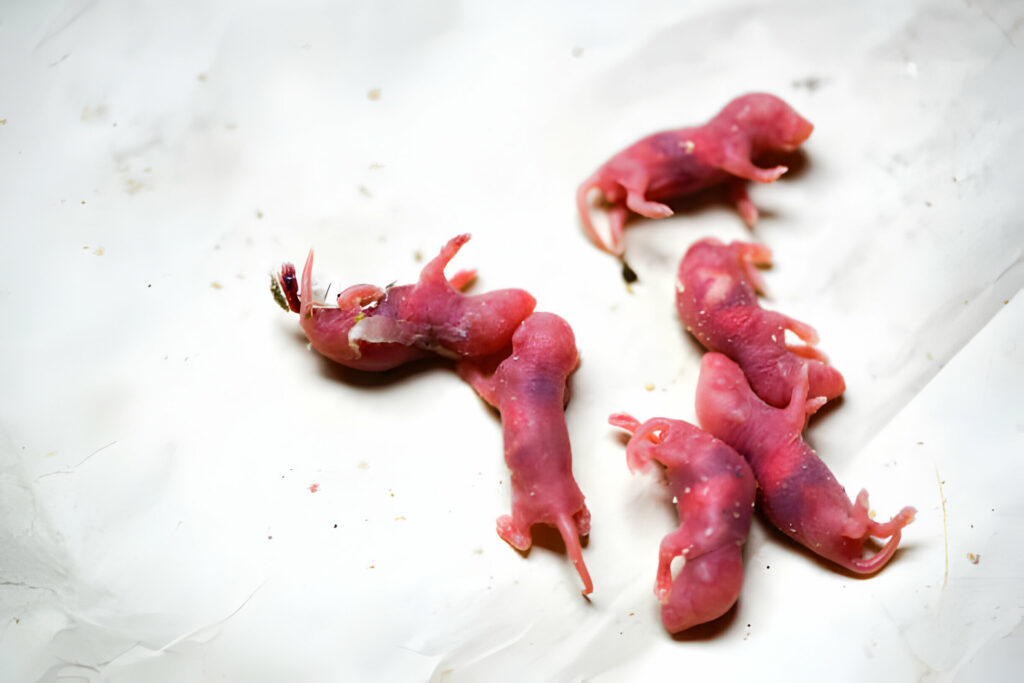
Feeding leopard geckos with baby mice is a common practice among pet owners. However, there are safety concerns that should be taken into consideration before feeding them to your gecko. In this section, we will discuss the potential risks associated with feeding baby mice to leopard geckos.
Risk of Impaction
One of the main concerns with feeding baby mice to leopard geckos is the risk of impaction. Baby mice are relatively large compared to the size of a leopard gecko’s digestive tract, which can lead to blockages in their digestive system. This can cause serious health issues and even death in some cases. To avoid this, it is important to make sure that the size of the mouse is appropriate for your gecko’s size.
Nutritional Imbalance
Feeding baby mice to leopard geckos can also lead to a nutritional imbalance in their diet. While baby mice are a good source of protein, they lack the necessary vitamins and minerals that leopard geckos need to thrive. Over-reliance on baby mice can lead to deficiencies in other essential nutrients, which can cause health problems in the long run. To avoid this, it is recommended to offer a variety of insects and other prey items to your gecko.
Potential for Parasites
Feeding baby mice to leopard geckos can also increase the risk of parasites. Baby mice are known to carry various parasites, such as mites and ticks, which can be transferred to your gecko. This can cause skin irritation, infections, and other health issues. To avoid this, it is important to source your prey items from reputable suppliers and to quarantine them before feeding them to your gecko.
In conclusion, while feeding baby mice to leopard geckos can be a good source of protein, there are safety concerns that should be taken into consideration. It is important to be aware of the potential risks associated with feeding baby mice and to take appropriate measures to ensure the health and well-being of your gecko.
Alternatives to Baby Mice
When it comes to feeding leopard geckos, baby mice are not the only option. In fact, there are several alternatives that can provide your gecko with a balanced diet.
Commercially Available Insect Prey
One of the easiest alternatives to baby mice is commercially available insect prey. These insects are often bred specifically for reptile consumption and can be purchased at most pet stores. Some of the most popular options include crickets, mealworms, and dubia roaches.
It is important to note that not all commercially available insects are created equal. Some may be lacking in certain nutrients, so it is important to do your research and choose a variety of insects to ensure a balanced diet.
Homemade Gecko Diet Options
If you prefer to make your own gecko food, there are several options available. One popular option is to create a mixture of ground turkey, calcium powder, and vitamin supplements. Another option is to make a fruit and vegetable puree mixed with insect protein powder.
It is important to note that homemade diets require careful attention to ensure that your gecko is getting all the necessary nutrients. It is recommended to consult with a veterinarian or reptile nutritionist before attempting to create your own gecko food.
Overall, there are several alternatives to baby mice that can provide your leopard gecko with a balanced diet. Whether you choose commercially available insect prey or homemade gecko food, it is important to ensure that your gecko is receiving all the necessary nutrients for optimal health.
Understanding Leopard Gecko Behavior
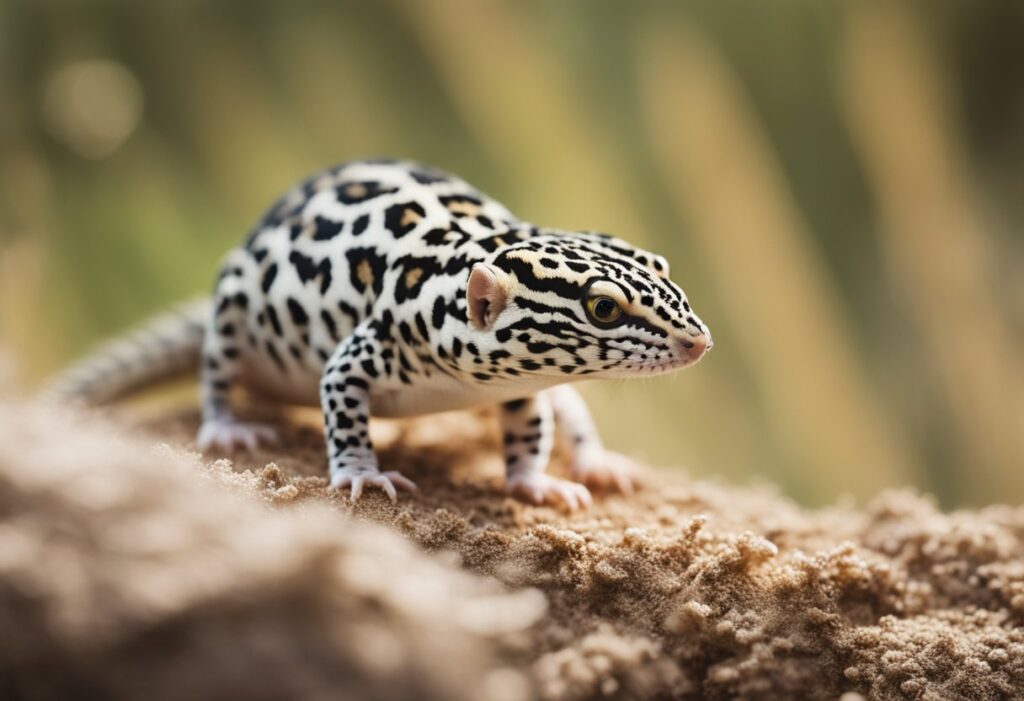
Leopard geckos are fascinating creatures with unique behavior patterns that make them popular pets. In this section, we will explore two important aspects of leopard gecko behavior: hunting instincts and feeding response.
Hunting Instincts
Leopard geckos are natural hunters and have a strong instinct to catch and kill prey. In the wild, they primarily hunt insects, but they are also known to eat small rodents and other small animals. This hunting instinct is still present in captive leopard geckos, even if they are fed a diet of commercially available insects.
As a result, it is not uncommon for leopard geckos to show interest in small prey items such as baby mice. However, it is important to note that feeding your leopard gecko baby mice can be risky and should only be done under certain circumstances. We recommend consulting with a veterinarian or experienced reptile keeper before attempting to feed your leopard gecko baby mice.
Feeding Response
Leopard geckos have a unique feeding response that is different from many other reptiles. When presented with food, they will often stalk and pounce on their prey, much like a cat. This behavior is not only fascinating to watch, but it also helps to stimulate their natural hunting instincts.
Leopard geckos are also known for their voracious appetites and will often eat more than they need if given the opportunity. This can lead to obesity and other health problems, so it is important to monitor their food intake and provide a balanced diet.
In conclusion, understanding leopard gecko behavior is essential for providing them with the best possible care. By recognizing their natural instincts and feeding responses, we can ensure that our leopard geckos are happy and healthy pets.
Frequently Asked Questions
Is it safe for leopard geckos to consume pinky mice?
Yes, it is safe for leopard geckos to consume pinky mice as they are a natural part of their diet in captivity. However, it is important to ensure that the pinky mice are appropriately sized for the gecko and that they are not fed too frequently.
What are the dietary implications of feeding leopard geckos pinky mice?
Pinky mice are a good source of protein and fat for leopard geckos. However, they should not be the sole source of nutrition for the gecko. It is important to provide a varied diet that includes other food items such as insects and fruits.
How frequently can leopard geckos be fed pinky mice?
Leopard geckos can be fed pinky mice once a week or once every two weeks, depending on their age and size. It is important not to overfeed the gecko as this can lead to obesity and other health problems.
Are pinky mice a natural part of a leopard gecko’s diet in the wild?
No, pinky mice are not a natural part of a leopard gecko’s diet in the wild. In the wild, leopard geckos primarily feed on insects and other small invertebrates.
What alternative food sources are recommended for leopard geckos besides pinky mice?
Leopard geckos can be fed a variety of insects such as crickets, mealworms, and dubia roaches. They can also be given fruits such as papaya and mango as a treat.
Can the consumption of pinky mice affect the health of leopard geckos?
If fed in moderation and appropriately sized, pinky mice should not affect the health of leopard geckos negatively. However, overfeeding or feeding mice that are too large can lead to health problems such as obesity and digestive issues.