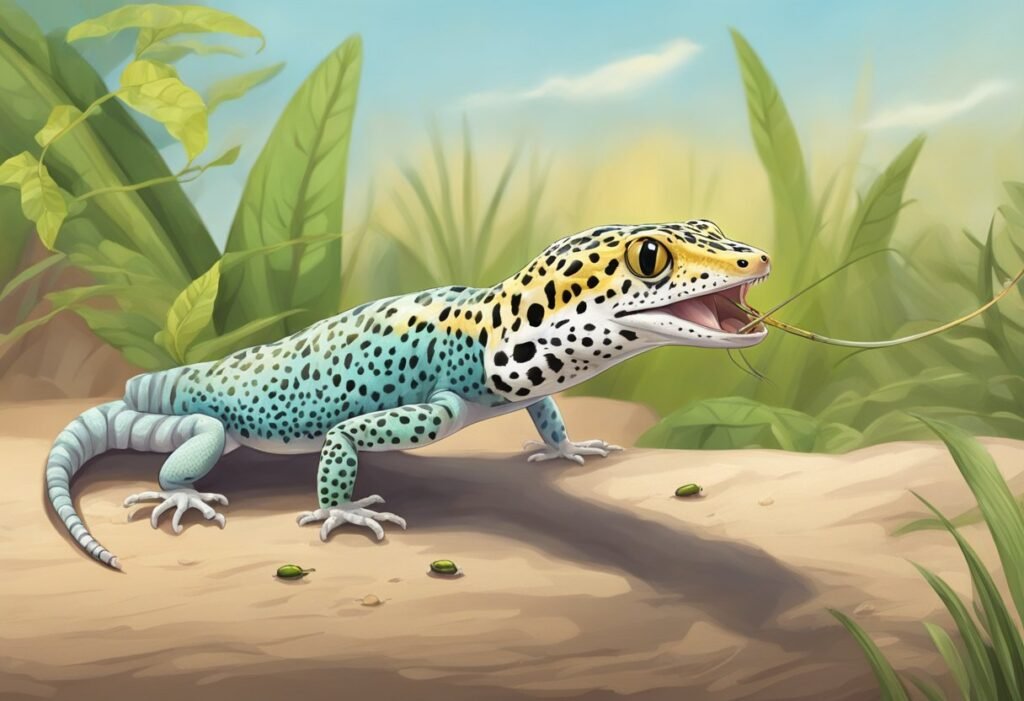
Leopard geckos are a popular choice for reptile enthusiasts due to their docile nature and easy-to-maintain care requirements. One of the most important aspects of keeping a leopard gecko healthy is providing it with a proper diet. While they primarily feed on insects, it is important to ensure that the size and type of prey are appropriate for their size and age. This raises the question, can leopard geckos eat large crickets?
Crickets are a popular staple in the diet of leopard geckos and are readily available at most pet stores. However, the size of the cricket is an important factor to consider. Younger leopard geckos should be fed smaller crickets, while adult geckos can handle larger prey. It is important to avoid feeding crickets that are larger than the width of the gecko’s head to prevent choking or other digestive issues.
Can Leopard Geckos Eat Large Crickets

Leopard geckos are insectivores that require a diet consisting of live insects such as crickets, mealworms, and dubia roaches. However, there is a debate among leopard gecko owners on whether or not they can eat large crickets.
Leopard geckos can eat large crickets, but it’s important to consider the size of the cricket in relation to the size of the gecko. A general rule of thumb is that the cricket should be no larger than the space between the gecko’s eyes. Large crickets can be difficult for leopard geckos to digest and can cause impaction, which is a potentially life-threatening condition.
It’s also important to note that the nutritional value of large crickets may not be as beneficial for leopard geckos as smaller crickets. Large crickets have a lower surface area to volume ratio, which means they have a lower proportion of essential nutrients compared to smaller crickets.
In summary, while leopard geckos can eat large crickets, it’s important to feed them appropriately sized crickets to avoid potential health issues. It’s also recommended to provide a varied diet of different insects to ensure they receive a balanced nutritional intake.
Leopard Gecko Dietary Basics

Nutritional Needs
Leopard geckos are insectivores, which means they require a diet consisting primarily of insects. In the wild, they eat a variety of insects, including crickets, mealworms, and waxworms. When kept as pets, they can be fed a diet of commercially available insects, such as crickets, mealworms, and roaches.
One of the most important aspects of a leopard gecko’s diet is calcium. Calcium is essential for the development and maintenance of healthy bones. Without enough calcium, leopard geckos can develop metabolic bone disease, which can be fatal. To ensure that leopard geckos get enough calcium, their food should be dusted with a calcium supplement.
Feeding Frequency
Leopard geckos should be fed every other day. They are opportunistic feeders, which means they will eat whenever food is available. However, overfeeding can lead to obesity and other health problems. It is important to monitor their weight and adjust their feeding schedule accordingly.
When feeding leopard geckos, it is important to provide appropriately sized prey. Large crickets can be fed to adult leopard geckos, but should be avoided for juveniles or smaller geckos. Feeder insects should be no larger than the width of the gecko’s head to prevent choking.
In conclusion, leopard geckos have specific nutritional needs and feeding requirements. Providing a balanced diet and monitoring their weight can help ensure their health and longevity.
Understanding Cricket Sizes
Cricket Sizing Chart
Before feeding a leopard gecko any type of cricket, it is important to understand the different sizes available. The size of the cricket should be appropriate for the size of the leopard gecko. A cricket that is too large can cause impaction or other digestive issues, while a cricket that is too small may not provide enough nutrition.
The following is a chart of common cricket sizes and their measurements:
| Cricket Size | Length (inches) |
|---|---|
| Pinhead | 1/16 |
| 1/8″ | 1/8 |
| 1/4″ | 1/4 |
| 1/2″ | 1/2 |
| 3/4″ | 3/4 |
| Adult | 1+ |
Determining Appropriate Prey Size
When determining the appropriate size of cricket to feed a leopard gecko, it is important to consider the size and age of the gecko. A general rule of thumb is to feed a cricket that is no larger than the space between the gecko’s eyes.
For juvenile leopard geckos, it is recommended to feed crickets that are 1/4″ to 1/2″ in size. Adult leopard geckos can handle larger crickets, typically ranging from 1/2″ to 3/4″ in size.
It is important to note that the size of the cricket should be adjusted as the leopard gecko grows. As the gecko gets larger, it will require larger prey items to meet its nutritional needs.
In conclusion, understanding cricket sizes and determining appropriate prey size is crucial when feeding leopard geckos. By following these guidelines, leopard gecko owners can ensure their pets are receiving the proper nutrition without risking any digestive issues.
Benefits of Feeding Large Crickets
When it comes to feeding leopard geckos, large crickets can be a great option. Here are some benefits of feeding your leopard gecko large crickets:
Nutritional Value
Large crickets are a great source of protein and other essential nutrients for leopard geckos. They are also a good source of calcium, which is important for maintaining healthy bones and preventing metabolic bone disease.
Leopard geckos require a diet that is high in protein and low in fat. Large crickets are an excellent source of protein, with around 21% protein content. They also have a low fat content, making them a healthy and nutritious food choice for your leopard gecko.
Hunting Stimulation
Feeding your leopard gecko large crickets can also provide them with important hunting stimulation. Leopard geckos are natural hunters, and feeding them live prey can help to keep them mentally and physically stimulated.
When feeding your leopard gecko large crickets, it’s important to ensure that the crickets are the appropriate size for your gecko. Crickets that are too large can be difficult for your gecko to digest, while crickets that are too small may not provide enough nutrition.
Overall, feeding your leopard gecko large crickets can be a great way to provide them with important nutrients and stimulation. Just be sure to choose crickets that are the appropriate size for your gecko, and always supervise feeding to ensure that your gecko is eating safely.
Potential Risks and Considerations
Choking Hazard
Leopard geckos are known to be voracious eaters and can easily consume large crickets. However, there is a risk of choking if the cricket is too large for the gecko to swallow. This can be a serious issue and can even lead to death if not addressed promptly.
To minimize the risk of choking, it is recommended to feed leopard geckos appropriately sized crickets. As a general rule, the cricket should be no larger than the width of the gecko’s head. It is also important to supervise the gecko while it is eating to ensure that it is not struggling to swallow the cricket.
Impaction Risk
Another potential risk of feeding leopard geckos large crickets is the risk of impaction. This occurs when the gecko ingests substrate along with the cricket, which can lead to a blockage in the digestive system. This can be a serious condition that requires veterinary attention.
To minimize the risk of impaction, it is important to feed leopard geckos in a clean environment with minimal substrate. It is also recommended to feed crickets that have been gut-loaded and dusted with calcium powder to ensure that the gecko is receiving proper nutrition.
In conclusion, while leopard geckos can eat large crickets, it is important to consider the potential risks and take appropriate precautions to ensure the health and safety of the gecko. By feeding appropriately sized crickets and minimizing substrate ingestion, leopard gecko owners can provide their pets with a nutritious and safe diet.
Preparing Crickets for Feeding
Leopard geckos are known to be voracious eaters and thrive on a diet of live insects, with crickets being a popular choice. However, before feeding crickets to your leopard gecko, it is important to prepare them properly to ensure they are healthy and nutritious.
Gut-Loading Crickets
One of the most important steps in preparing crickets for feeding is gut-loading them. This involves feeding the crickets a nutritious diet to ensure that they are packed with nutrients that your leopard gecko needs. The best foods to feed crickets include fresh fruits and vegetables, such as carrots, apples, and leafy greens. You can also use commercial cricket gut-loading diets, which are available at most pet stores.
To gut-load crickets, simply place them in a container with the food and allow them to feed for 24-48 hours before feeding them to your leopard gecko. This will ensure that the crickets are packed with nutrients and are a healthy and nutritious meal for your pet.
Dusting with Supplements
In addition to gut-loading, it is also important to dust crickets with supplements to ensure that your leopard gecko is getting all the nutrients it needs. The best supplements to use are calcium and vitamin D3, which are essential for healthy bone growth and development.
To dust crickets, simply place them in a plastic bag with the supplement powder and shake gently to coat them. You can also use a small bowl or container to dust the crickets, making sure to coat them evenly.
By following these simple steps, you can ensure that the crickets you feed your leopard gecko are healthy and nutritious, providing your pet with the essential nutrients it needs to thrive.
Feeding Technique and Best Practices
Safe Handling
When feeding large crickets to leopard geckos, it is important to handle them safely to avoid any potential harm to the gecko or the handler. It is recommended to use tongs or forceps to pick up the crickets and place them in the gecko’s enclosure. This not only prevents accidental bites from the crickets but also minimizes stress for the gecko.
It is also important to avoid feeding wild-caught crickets to leopard geckos as they may carry parasites or diseases that can harm the gecko. Instead, it is recommended to purchase crickets from a reputable supplier.
Feeding Schedule
Leopard geckos should be fed appropriately sized crickets based on their age and size. For adult leopard geckos, large crickets can be offered once or twice a week. It is important to monitor the gecko’s weight and adjust the feeding schedule accordingly.
It is recommended to dust the crickets with a calcium supplement before feeding to ensure the gecko is getting the necessary nutrients for bone health. It is also important to provide a shallow dish of water in the gecko’s enclosure to prevent dehydration.
Overall, feeding large crickets to leopard geckos can be a nutritious and enjoyable part of their diet when done safely and appropriately.
Monitoring Your Leopard Gecko’s Health
Weight Tracking
Regular weighing of your leopard gecko is an essential part of monitoring its health. A healthy adult leopard gecko should weigh between 45-70 grams, while a healthy juvenile should weigh between 15-25 grams. Weigh your leopard gecko at least once a month using a digital scale. Keep a record of its weight in a notebook or spreadsheet to track any changes over time.
A sudden decrease in weight could indicate an underlying health issue, such as parasites or an improper diet. On the other hand, a sudden increase in weight could indicate overfeeding or obesity, which can lead to health problems. If you notice any significant changes in your leopard gecko’s weight, consult a veterinarian.
Stool Observations
Monitoring your leopard gecko’s stool is another crucial aspect of its health care. Healthy leopard gecko stool should be solid and brown, with a white urate at one end. If you notice any changes in the color, consistency, or frequency of your leopard gecko’s stool, it could indicate a health issue.
For instance, if the stool is watery or has a foul odor, it could indicate a parasitic infection or an improper diet. If your leopard gecko has not defecated in several days, it could indicate constipation, which can be caused by dehydration or an obstruction in the digestive tract. If you notice any abnormal stool, consult a veterinarian.
By regularly monitoring your leopard gecko’s weight and stool, you can detect any health issues early and provide prompt treatment. Remember to provide a balanced diet, clean water, and a suitable living environment to keep your leopard gecko healthy and happy.
Frequently Asked Questions
How large of crickets should be fed to leopard geckos?
Leopard geckos can eat crickets that are up to half their size. For adult leopard geckos, crickets that are 1-2 inches in length are appropriate. However, for young leopard geckos, smaller crickets that are around 1/4 inch in length are recommended.
What is the appropriate number of crickets to feed a leopard gecko each day?
The number of crickets to feed a leopard gecko depends on its age and size. Adult leopard geckos can be fed 3-5 crickets every other day, while young leopard geckos should be fed 5-10 small crickets every day.
Is there a risk of overfeeding leopard geckos with crickets?
Yes, overfeeding leopard geckos with crickets can lead to obesity and other health problems. It is important to monitor their weight and adjust their diet accordingly.
Can leopard geckos safely eat live crickets of any size?
Leopard geckos can safely eat live crickets, but they should not be larger than half the size of the gecko. It is also important to avoid feeding wild-caught insects, as they may carry parasites or diseases.
What are the potential risks of feeding crickets to leopard geckos?
The main risk of feeding crickets to leopard geckos is the possibility of impaction, which can occur if the gecko ingests too much substrate along with the cricket. It is important to provide a clean and safe feeding environment and to avoid feeding crickets that are too large.
How does the diet of a young leopard gecko differ from that of an adult?
Young leopard geckos require a higher protein diet than adults, and should be fed smaller crickets more frequently. As they grow older, their diet should be adjusted to include more vegetables and fruits. It is important to provide a balanced diet that meets their nutritional needs at every stage of their life.