

Leopard geckos are a popular choice for reptile enthusiasts due to their docile nature and low-maintenance care requirements. While they primarily feed on insects, there is often confusion about what types of insects are safe and nutritious for them to consume. One such insect that is commonly fed to leopard geckos is the mealworm pupa.
Mealworm pupae are the intermediate stage between the mealworm larva and adult beetle. They are a good source of protein and fat, making them a nutritious option for leopard geckos. However, there are some concerns about feeding mealworm pupae to these reptiles, particularly in large quantities.
In this article, we will explore the topic of whether or not leopard geckos can eat mealworm pupae. We will examine the nutritional value of mealworm pupae and the potential risks associated with feeding them to leopard geckos. By the end of this article, readers will have a clear understanding of whether or not mealworm pupae should be included in their leopard gecko’s diet.
Can Leopard Geckos Eat Mealworm Pupae

Leopard geckos are insectivores and they require a diet that is high in protein to maintain their health. Mealworms are a common staple food for leopard geckos, but can they eat mealworm pupae?
The answer is yes, leopard geckos can eat mealworm pupae. In fact, mealworm pupae are a great source of protein and fat for leopard geckos. They are also easier to digest than mealworms, making them a good choice for geckos that have trouble digesting larger insects.
It is important to note that mealworm pupae should not be the only food in a leopard gecko’s diet. Variety is key to ensuring that your gecko gets all the nutrients they need. A diet that consists solely of mealworm pupae can lead to nutritional deficiencies.
When feeding mealworm pupae to your leopard gecko, it is important to make sure that they are properly gut-loaded and dusted with calcium powder. This will ensure that your gecko receives the necessary nutrients and minerals.
In conclusion, mealworm pupae can be a healthy addition to a leopard gecko’s diet. They are a great source of protein and fat, and are easy to digest. However, they should not be the only food in a gecko’s diet and should be fed in moderation along with other insects.
Leopard Gecko Diet Basics
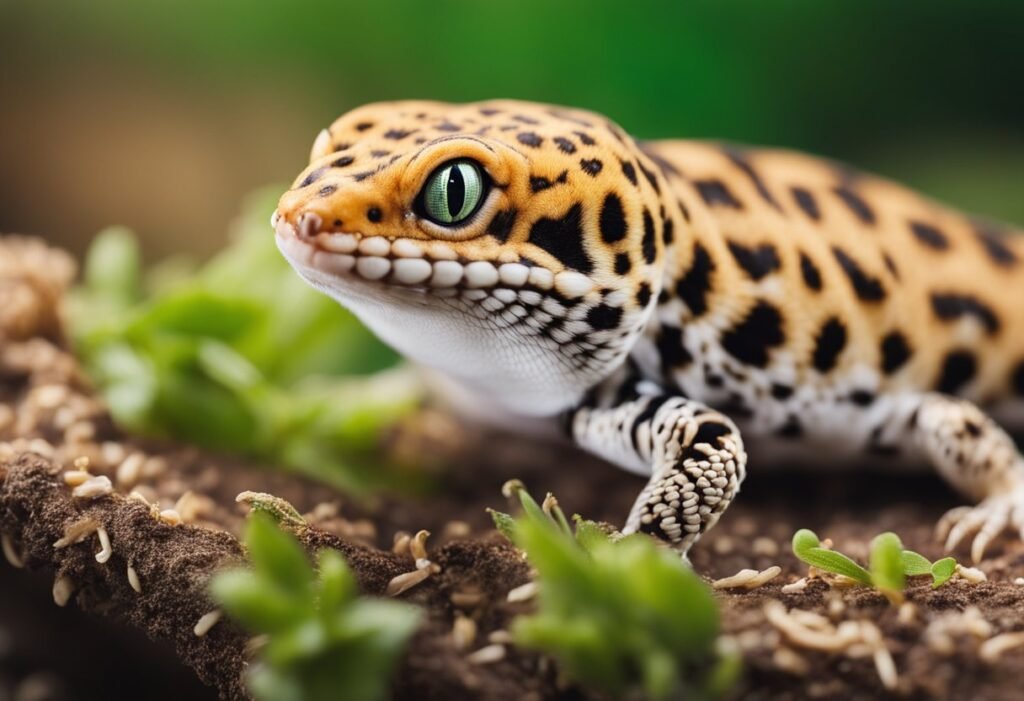
Leopard geckos are insectivores and require a diet rich in protein. A balanced diet for a leopard gecko should consist of a variety of insects, such as crickets, mealworms, waxworms, and roaches. It is important to provide a variety of insects to ensure they receive all the necessary nutrients.
Leopard geckos should be fed insects that are appropriately sized for their age and size. Feeding them insects that are too large can cause impaction, a potentially fatal condition where the digestive system becomes blocked.
It is also important to provide a calcium supplement for leopard geckos. Calcium is necessary for strong bones and egg-laying females. Calcium supplements can be dusted onto the insects before feeding.
While mealworms are a popular staple in a leopard gecko’s diet, it is important to note that mealworm pupae should be avoided. Mealworm pupae are the stage between a mealworm and a beetle and have a tough outer shell that is difficult for leopard geckos to digest. This can lead to impaction and other health problems.
Overall, a balanced diet consisting of a variety of appropriately sized insects and a calcium supplement is essential for the health and well-being of leopard geckos.
Understanding Mealworm Pupae

Mealworm pupae are the intermediate stage in the life cycle of Tenebrio molitor, commonly known as mealworms. They are the stage between the larva and adult stage. During this stage, the mealworm undergoes metamorphosis and transforms into an adult beetle.
Mealworm pupae are a common source of food for many insectivorous animals, including leopard geckos. They are rich in protein and essential nutrients required for the growth and development of these animals.
The pupae are easily distinguishable from the larvae and adult beetles. They have a hard, brown exoskeleton and are approximately 1.5 cm in length. They are also immobile and do not move around like the larvae.
It is important to note that mealworm pupae should not be confused with the adult beetles. The pupae are softer and more nutritious compared to the adult beetles, which have a harder exoskeleton and are less nutritious.
In summary, mealworm pupae are a nutritious food source for leopard geckos. They are rich in protein and essential nutrients required for the growth and development of these animals. However, it is important to ensure that the pupae are not confused with the adult beetles, which are less nutritious.
Nutritional Value of Mealworm Pupae
Mealworm pupae are the intermediate stage of mealworms before they become beetles. They are a popular food source for many reptiles, including leopard geckos. In this section, we will explore the nutritional value of mealworm pupae and how they can benefit leopard geckos.
Protein
Mealworm pupae are a rich source of protein, which is essential for the growth and development of leopard geckos. In fact, mealworm pupae contain more protein than mealworms themselves. Protein is necessary for building and repairing tissues, and it also helps maintain the health of the immune system.
Fat
Mealworm pupae are also high in fat, which is an important source of energy for leopard geckos. However, it’s important to note that too much fat can lead to obesity and other health problems. Therefore, mealworm pupae should be fed in moderation as part of a balanced diet.
Vitamins and Minerals
Mealworm pupae are a good source of vitamins and minerals, including calcium, phosphorus, and potassium. These nutrients are essential for maintaining strong bones and muscles, as well as supporting many other bodily functions.
Conclusion
In summary, mealworm pupae are a nutritious food source for leopard geckos. They are high in protein, fat, and essential vitamins and minerals. However, it’s important to feed them in moderation as part of a balanced diet to avoid health problems.
Feeding Mealworm Pupae to Leopard Geckos
Leopard geckos are known for their voracious appetite and will readily consume a variety of insects. One such insect that is often fed to leopard geckos is the mealworm pupae. Mealworm pupae are the intermediate stage between the larva and adult beetle and can be a nutritious addition to a leopard gecko’s diet.
Preparation of Mealworm Pupae
Before feeding mealworm pupae to leopard geckos, it is important to properly prepare them. Mealworm pupae can be purchased from pet stores or online retailers. They should be kept in a cool, dry place to prevent them from turning into adult beetles.
To prepare the mealworm pupae for feeding, they should be gut-loaded with a nutritious food source such as fruits, vegetables, or commercial gut-loading products. This will ensure that the leopard gecko receives a well-rounded diet.
Mealworm pupae can be fed to leopard geckos either alive or dead. If feeding them alive, it is important to ensure that they are not too large for the gecko to consume. Dead mealworm pupae can be offered to the gecko using feeding tongs or placed in a dish.
Frequency of Feeding
While mealworm pupae can be a nutritious addition to a leopard gecko’s diet, they should not be the sole food source. It is important to offer a variety of insects such as crickets, dubia roaches, and mealworms to ensure that the gecko receives a balanced diet.
Mealworm pupae can be fed to leopard geckos once or twice a week in addition to other insect feedings. The frequency of feeding should be adjusted based on the gecko’s individual needs and dietary requirements.
In conclusion, mealworm pupae can be a nutritious addition to a leopard gecko’s diet when prepared properly and fed in moderation. By offering a variety of insects and gut-loading the mealworm pupae, leopard geckos can thrive on a well-rounded diet.
Health Benefits and Risks
Potential Health Benefits
Leopard geckos are insectivores and require a diet that is high in protein. Mealworm pupae are a good source of protein and can be a healthy addition to a leopard gecko’s diet. Pupae are the stage between a mealworm larva and an adult beetle and are full of nutrients that can benefit a gecko’s health.
Mealworm pupae are high in calcium, which is essential for maintaining strong bones and teeth. They also contain other important minerals such as phosphorus, magnesium, and potassium. These minerals are necessary for various bodily functions, including muscle and nerve function.
Possible Health Risks
While mealworm pupae can provide health benefits for leopard geckos, there are also potential risks associated with feeding them. Pupae are harder to digest than mealworm larvae or beetles, and may cause digestive issues such as impaction if fed in excess. Impaction occurs when the digestive system becomes blocked, which can be life-threatening if not treated promptly.
Another risk associated with feeding mealworm pupae is the possibility of parasitic infections. Pupae are more likely to carry parasites than other stages of the mealworm life cycle, which can cause health problems for leopard geckos. It is important to ensure that any insects fed to a gecko are from a reliable source and have not been exposed to any harmful substances.
In summary, mealworm pupae can provide health benefits for leopard geckos, but should be fed in moderation to avoid digestive issues and the risk of parasitic infections. It is important to provide a varied diet to ensure that geckos receive all the nutrients they need for optimal health.
Alternatives to Mealworm Pupae
While mealworm pupae are a popular food source for leopard geckos, there are other options available that can provide the same nutritional benefits. Here are some alternatives to consider:
Crickets
Crickets are a common feeder insect for many reptiles, including leopard geckos. They are high in protein and easy to digest, making them a great choice for a staple food source. Crickets can be purchased live or freeze-dried, and can be dusted with calcium powder to ensure proper nutrition.
Dubia Roaches
Dubia roaches are another popular feeder insect for leopard geckos. They are high in protein and have a soft exoskeleton, making them easy to digest. Dubia roaches can be purchased live or freeze-dried, and can be dusted with calcium powder to ensure proper nutrition.
Waxworms
Waxworms are a high-fat treat that can be fed to leopard geckos in moderation. They are not a staple food source, but can be offered as an occasional treat. Waxworms are soft-bodied and easy to digest, making them a good choice for geckos that have difficulty eating harder insects.
Superworms
Superworms are a larger feeder insect that can be fed to adult leopard geckos. They are high in protein and have a soft exoskeleton, making them easy to digest. Superworms can be purchased live or freeze-dried, and can be dusted with calcium powder to ensure proper nutrition.
Overall, there are many options available for feeding leopard geckos besides mealworm pupae. It is important to provide a varied diet to ensure proper nutrition and to avoid overfeeding any one type of insect.
Monitoring Your Leopard Gecko’s Diet
Leopard geckos are known for their love of mealworms, but it’s important to monitor their diet to ensure they’re getting all the necessary nutrients. One question that often arises is whether or not leopard geckos can eat mealworm pupae.
Mealworm pupae are the intermediate stage between a mealworm larva and an adult beetle. They are high in protein and fat and can be a nutritious addition to your leopard gecko’s diet. However, it’s important to note that leopard geckos should not rely solely on mealworm pupae as their primary food source.
To monitor your leopard gecko’s diet, it’s important to keep track of what they eat and how much. A simple chart or spreadsheet can help you keep track of their feeding schedule and the types of food they consume. It’s also important to vary their diet and offer a variety of insects, such as crickets, waxworms, and superworms.
In addition to monitoring their food intake, it’s important to ensure that your leopard gecko has access to fresh water at all times. Water should be changed daily and the water dish should be cleaned regularly to prevent bacteria buildup.
Overall, monitoring your leopard gecko’s diet is crucial to their health and wellbeing. By offering a variety of insects and keeping track of their food intake, you can ensure that they’re getting all the necessary nutrients they need to thrive.
Frequently Asked Questions
What are safe food options for leopard geckos?
Leopard geckos are insectivores, and their diet should consist of insects that are high in protein and low in fat. Some safe food options for leopard geckos include crickets, mealworms, and dubia roaches. It is essential to provide a variety of insects to ensure a balanced diet.
Is it safe to feed leopard geckos superworm beetles?
No, it is not safe to feed leopard geckos superworm beetles. Superworm beetles contain a hard exoskeleton that can be difficult for leopard geckos to digest, leading to impaction.
Are darkling beetles a risk to leopard geckos when fed as a diet?
Yes, darkling beetles can be a risk to leopard geckos when fed as a diet. Darkling beetles contain a high amount of chitin, which can lead to impaction and other digestive issues.
What should I do with mealworm pupae when feeding my leopard gecko?
Mealworm pupae can be fed to leopard geckos as a source of protein. It is essential to ensure that the pupae are fresh and have not been contaminated by bacteria or other harmful substances. Remove any uneaten pupae after feeding to prevent spoilage.
Can wax worm pupae be included in a leopard gecko’s diet?
Wax worm pupae should be fed to leopard geckos in moderation as they are high in fat. A diet consisting of too many wax worms can lead to obesity and other health issues.
Are there any risks associated with feeding mealworms to leopard geckos?
There are some risks associated with feeding mealworms to leopard geckos. Mealworms have a hard exoskeleton that can be difficult for leopard geckos to digest, leading to impaction. It is essential to ensure that the mealworms are appropriately sized for the gecko and that they are not fed exclusively as a diet.