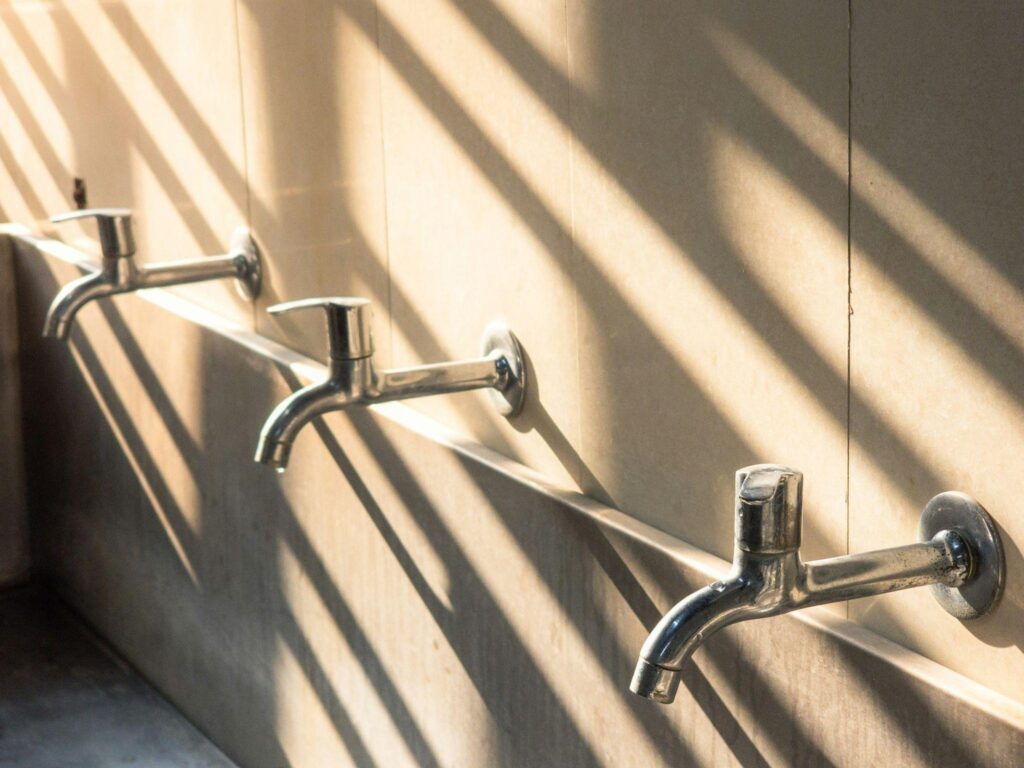
Commercial plumbing systems are the backbone of any business environment, yet they often go unnoticed until something goes wrong. Whether it’s an office building, restaurant, school, or shopping centre, these systems are designed to handle significantly higher demand than residential plumbing. They must operate efficiently, consistently, and safely, often across multiple floors and serving dozens or even hundreds of people at once.
In Australia, commercial plumbing is also shaped by strict regulations, environmental conditions, and operational demands. Understanding how these systems work is essential not just for maintenance, but for preventing costly disruptions that can impact business operations.
What Makes Commercial Plumbing Different
Commercial plumbing systems are fundamentally different from residential ones in both scale and complexity. While a home typically supports a small number of users, commercial buildings must handle continuous, high-volume usage throughout the day.
These systems include extensive pipe networks, multiple bathrooms, kitchens, and often specialised equipment depending on the type of business. For example, restaurants require grease traps, while hospitals need advanced hygiene-focused systems.
Because of this, commercial plumbing must be designed to manage constant demand without failure. Even a small issue can quickly affect multiple areas of a building, making reliability a top priority.
The Core Components of a Commercial Plumbing System
At its foundation, every commercial plumbing system is made up of three interconnected parts: water supply, drainage, and ventilation. These systems work together to ensure that clean water enters the building and waste is removed safely.
The water supply system delivers fresh water at the correct pressure across all levels of the building. Drainage systems remove wastewater efficiently, while ventilation ensures proper airflow within pipes to prevent pressure imbalances and blockages.
In larger buildings, additional components such as booster pumps, backflow prevention devices, and centralised hot water systems are often required to maintain consistent performance across multiple floors.
Why System Design Matters in Commercial Spaces
Design plays a critical role in how well a commercial plumbing system performs over time. Unlike residential setups, these systems must account for factors such as building height, water pressure distribution, and simultaneous usage across multiple areas.
Poor design can lead to uneven pressure, frequent blockages, or inefficient water usage. In high-demand environments, these issues can quickly escalate into operational disruptions that affect customers, staff, and daily business activities.
Working with a commercial plumber brisbane ensures that systems are planned and installed correctly from the beginning. Proper design not only improves performance but also reduces long-term maintenance costs.
Maintenance as a Critical Part of System Performance
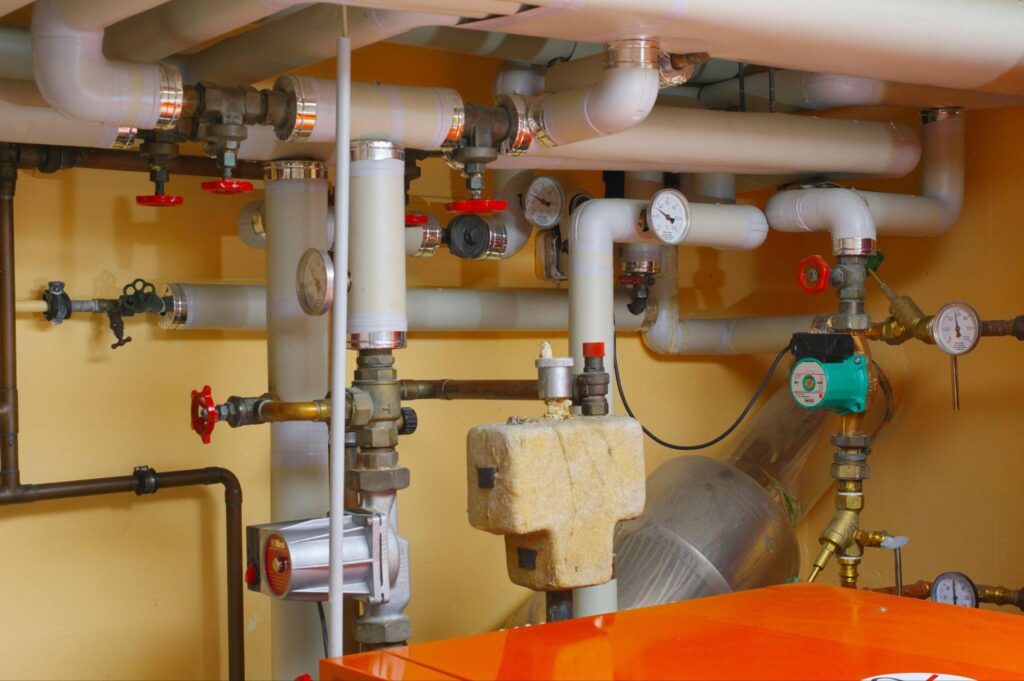
Commercial plumbing systems require regular maintenance to remain reliable. Because they operate under constant demand, wear and tear occur more quickly than in residential systems.
Routine inspections help identify early signs of corrosion, blockages, or pressure issues before they become serious problems. Preventative maintenance programs often include drain cleaning, backflow testing, and system performance checks.
Without regular maintenance, even minor issues can escalate into major failures that disrupt business operations and lead to costly repairs.
Compliance and Safety in Australian Commercial Plumbing
In Australia, commercial plumbing systems must comply with strict standards and regulations to ensure safety and hygiene. These requirements are designed to protect both building occupants and the broader water supply.
According to Safe Work Australia, proper installation, regular inspections, and licensed professional involvement are essential to maintaining safe systems in high-use environments.
Compliance is not just about meeting legal requirements, it also reduces risk, prevents contamination, and ensures that systems perform reliably over time.
Why Commercial Plumbing Requires Professional Expertise
The complexity of commercial plumbing means it cannot be approached in the same way as residential systems. It requires specialised knowledge, advanced tools, and an understanding of how different systems interact within a building.
Commercial plumbers often work alongside engineers, architects, and project managers to ensure systems are integrated properly. They must also be able to diagnose issues quickly, as delays can impact business operations.
Ultimately, commercial plumbing is about more than pipes and fixtures, it is about maintaining a system that supports the daily functioning of an entire building. When designed, installed, and maintained correctly, it operates quietly in the background, ensuring that everything else runs smoothly.