If you are from Atlanta, Georgia, you are part of a metro region with a population of over six million people and one of the busiest commuter networks in the Southeast. Daily travel across highways like I-75, I-85, and I-285 often means longer drive times and extended engine operation, which can place additional stress on luxury vehicles like Mercedes-Benz models.
If you are facing any issues with your luxury vehicle, go for a professional Mercedes-Benz repair in Atlanta. During a Mercedes-Benz diagnostic check, technicians use advanced computerized tools to scan your vehicle’s systems, identify hidden issues, check warning codes, inspect key components, and ensure your car is operating properly.
These inspections help detect problems early, improve vehicle performance, and reduce the risk of unexpected breakdowns.
In this blog, we will explain in detail what happens during a Mercedes-Benz diagnostic check and why it is important for your vehicle’s long-term health.
Understanding the Purpose of a Diagnostic Check
Modern Mercedes-Benz vehicles are equipped with advanced technology and onboard computer systems that monitor the car’s performance in real time. When something is not functioning correctly, the system stores an error code that helps technicians identify the issue.
A diagnostic check helps uncover problems that may not be immediately visible. Even if your car appears to be driving normally, hidden issues related to the engine, transmission, brakes, or electrical systems may still exist. Early detection can save both time and money.
Computerized System Scanning
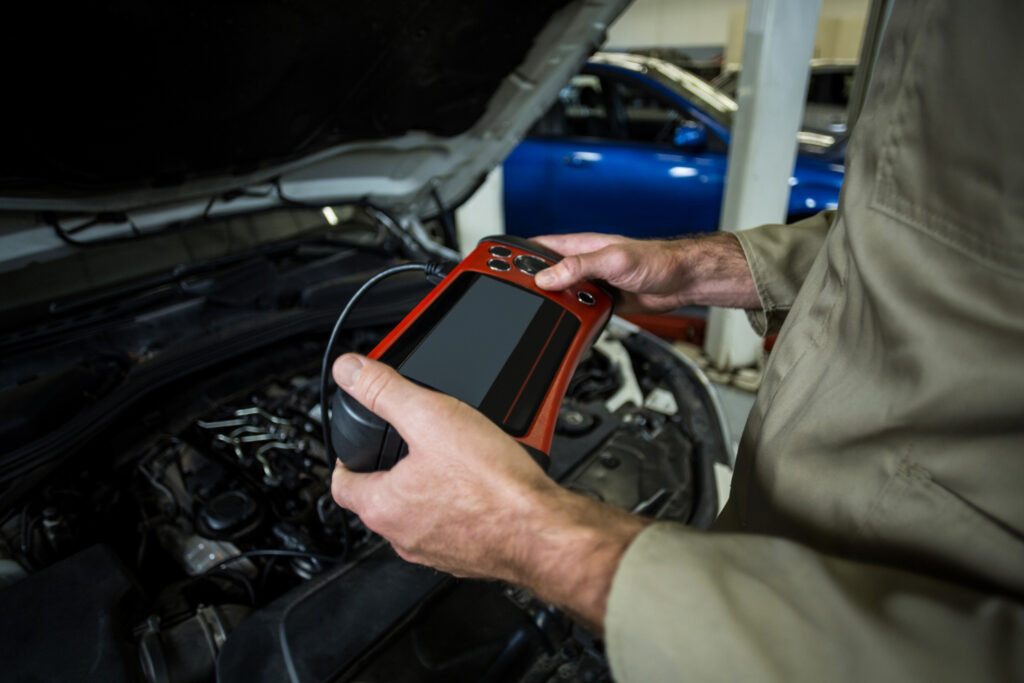
One of the first steps during a diagnostic check is connecting the vehicle to specialized diagnostic equipment. This system communicates directly with the car’s onboard computer and retrieves stored trouble codes.
These codes provide valuable insight into potential problems affecting the engine, fuel system, emissions, battery, sensors, or transmission. Technicians then analyze the results to determine whether repairs or adjustments are needed.
Mercedes-Benz vehicles require advanced scanning tools designed specifically for luxury automotive systems, making professional diagnostics extremely important.
Inspection of Engine Performance
The engine is one of the most closely monitored areas during a diagnostic check. Technicians evaluate engine performance, fuel efficiency, ignition timing, and airflow systems to ensure everything is functioning correctly.
If the check engine light is on, diagnostics can reveal whether the issue is minor or more serious. Problems such as faulty spark plugs, oxygen sensors, or fuel injectors are often discovered during this process.
Addressing engine issues early helps maintain performance and prevents long-term damage.
Evaluating Electrical Components
Mercedes-Benz vehicles contain highly advanced electrical systems that control everything from safety features to entertainment systems. During diagnostics, technicians inspect the battery, alternator, sensors, wiring, and electronic modules.
Electrical problems can sometimes cause dashboard warning lights, starting issues, or system malfunctions. A detailed diagnostic check helps pinpoint the exact source of the problem instead of relying on guesswork.
Many drivers searching for dependable Mercedes repair in Georgia choose diagnostic inspections to quickly identify electrical concerns and avoid costly repairs later.
Brake and Safety System Analysis
Safety systems are another important part of a Mercedes-Benz diagnostic check. Technicians evaluate brake performance, ABS systems, traction control, airbags, and driver-assistance technologies.
Modern Mercedes models rely heavily on sensors and electronic controls for safety features. If any system is not functioning properly, diagnostic tools can identify the fault quickly.
Ensuring these systems operate correctly improves both safety and driving confidence.
Checking Transmission Performance
Transmission issues can affect shifting, acceleration, and overall driving comfort. During diagnostics, technicians evaluate transmission data and look for warning signs such as delayed shifting or unusual performance patterns.
Catching transmission problems early may help prevent major mechanical failures and expensive replacements in the future.
Why Regular Diagnostics Matter
Routine diagnostic checks are not only useful when warning lights appear. They are also valuable for preventive maintenance. Regular inspections help keep your Mercedes-Benz running efficiently while improving reliability and resale value.
Luxury vehicles are designed with sophisticated engineering, and professional diagnostics ensure every system continues performing at its best.
Key Takeaways
- Mercedes-Benz diagnostic checks identify hidden mechanical and electrical problems.
- Technicians use computerized tools to scan onboard systems and retrieve error codes.
- Engine, transmission, electrical, and safety systems are thoroughly inspected.
- Early diagnostics help prevent costly repairs and unexpected breakdowns.
- Regular inspections improve vehicle performance, safety, and reliability.
- Professional diagnostics are especially important for luxury vehicles with advanced technology.