
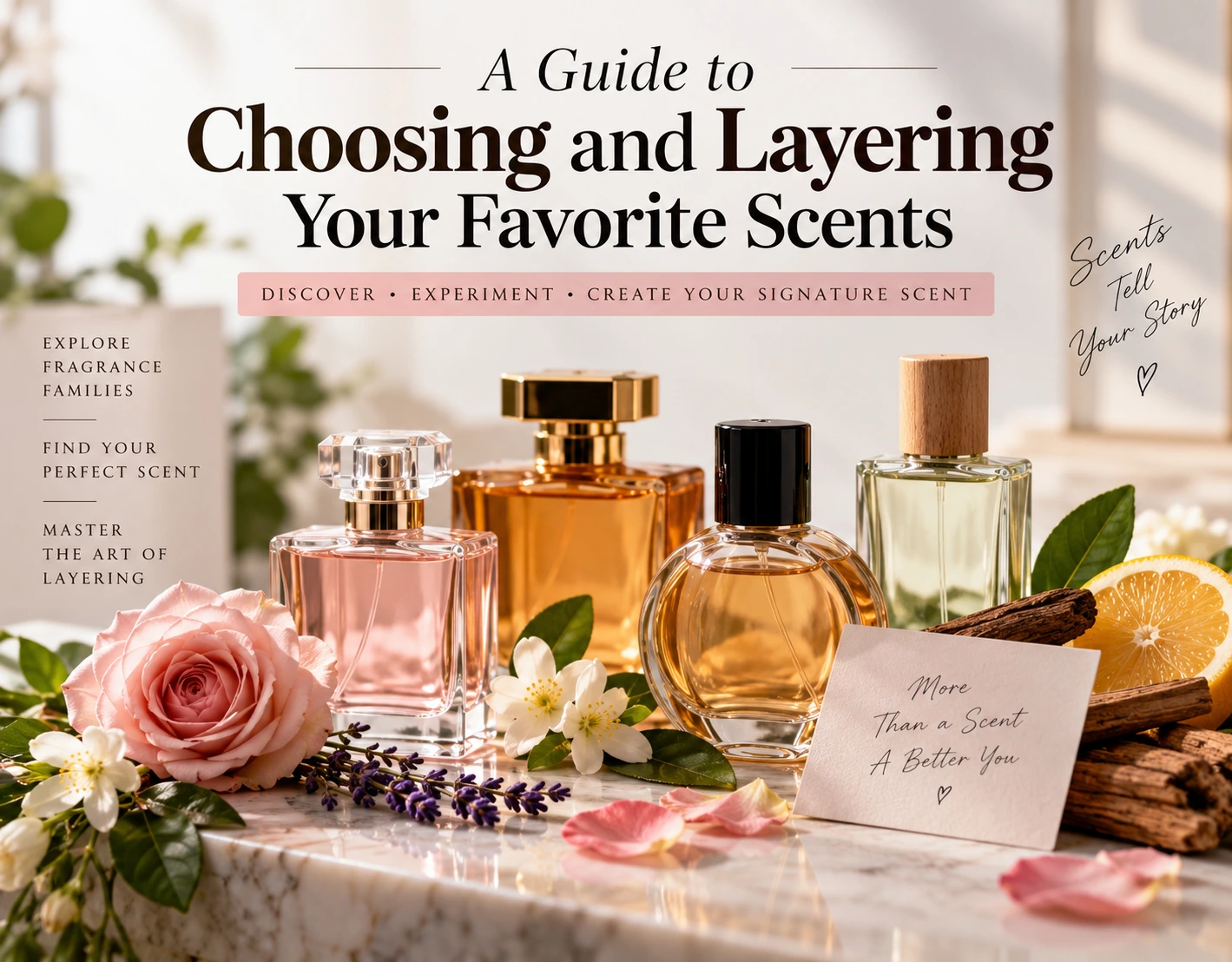
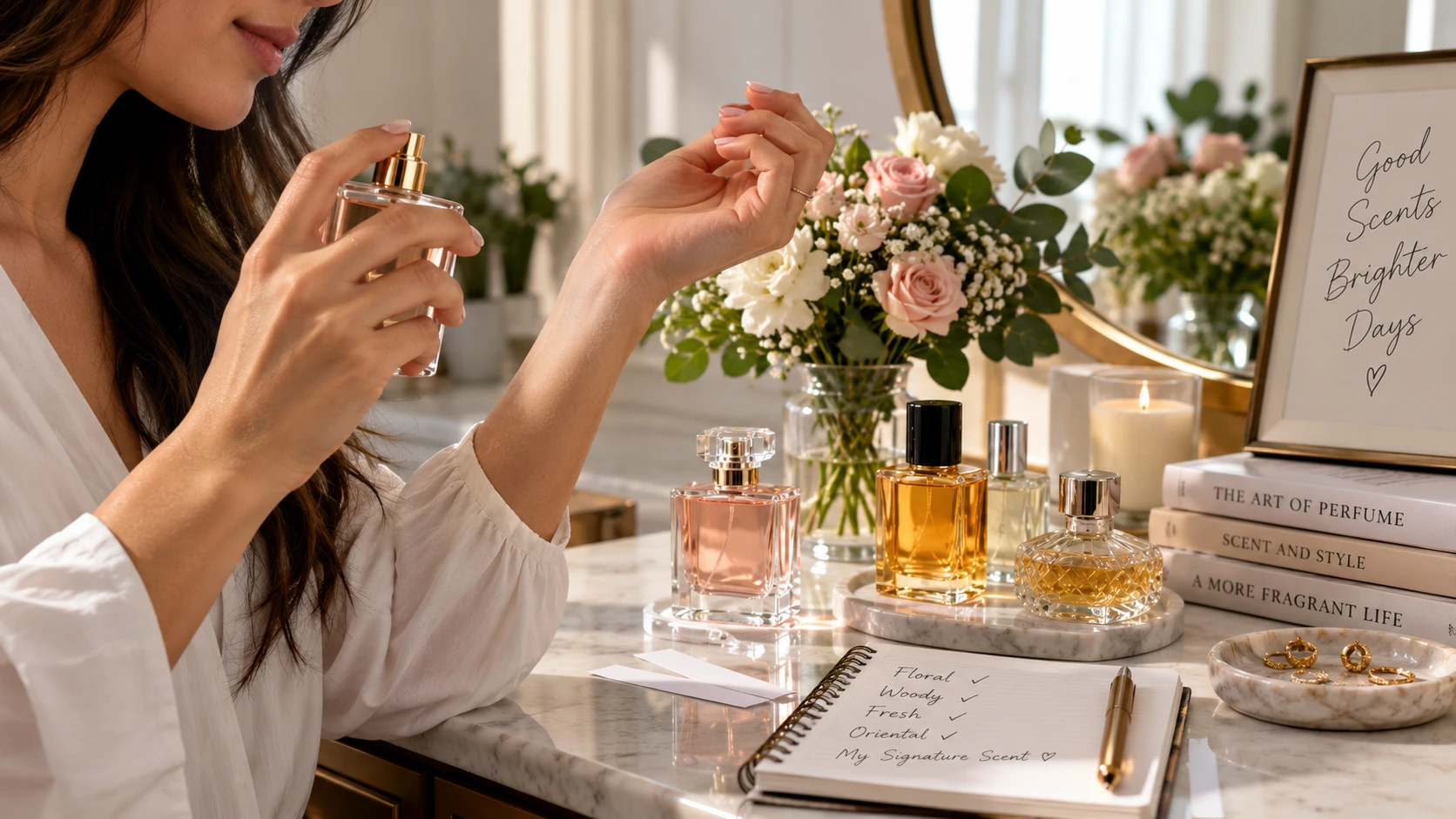
Finding a fragrance you genuinely love can be a surprisingly personal experience. The right scent can complement your style, bring back a favorite memory, lift your mood, or simply make you feel more confident when you walk out the door. With so many perfumes and fragrance combinations available, however, choosing a scent can sometimes feel overwhelming.
From soft floral perfumes and refreshing citrus blends to warm vanilla, spicy accords, and rich woody fragrances, there is something for almost every personality and occasion. Once you discover a few scents you enjoy, you can take things a step further by learning how to layer fragrances and create a combination that feels uniquely yours.
Whether you’re looking for a new signature perfume or simply want to experiment with your existing fragrance collection, understanding fragrance families and basic layering techniques can make the process much easier.
Understanding Fragrance Families
Before choosing your favorite scents, it helps to understand the major fragrance families. Fragrances are generally grouped according to the types of notes and accords that dominate their overall character.
Four commonly recognized fragrance families are floral, oriental, woody, and fresh. Modern fragrance descriptions can use more detailed classifications, but these broad categories provide a useful starting point when you’re exploring perfumes.
Floral Fragrances
Floral fragrances are built around the aroma of flowers and are among the most popular choices in perfumery. Rose, jasmine, lavender, peony, and violet are examples of floral notes commonly found in perfumes.
Depending on the combination, floral scents can feel soft and romantic, bright and youthful, elegant and sophisticated, or even rich and dramatic. If you enjoy the natural smell of flowers and want a classic fragrance style, floral perfumes are a great place to start.
Oriental Fragrances
Oriental is a traditional fragrance-family term often associated with warm, rich, sweet, and spicy compositions. Scents in this category may include notes such as vanilla, cinnamon, amber, patchouli, resins, and exotic spices.
For example, fragrances such as Jany Sora Dora can appeal to people who enjoy distinctive and more mysterious fragrance profiles. These compositions can work particularly well when you want something that feels luxurious, warm, and memorable.
Woody Fragrances
Woody fragrances are inspired by the natural character of woods and earthy materials. Cedarwood, sandalwood, vetiver, oud, and other woody notes can create fragrances that feel warm, grounded, dry, or sophisticated.
If you naturally gravitate toward earthy smells or enjoy fragrances with depth and character, a woody perfume may be worth exploring. Woody notes can also pair beautifully with floral, spicy, citrus, and aromatic ingredients.
Fresh Fragrances
Fresh fragrances are often associated with clean, bright, airy, and refreshing sensations. Citrus fruits, green notes, aquatic accords, herbs, and light aromatic ingredients are frequently used to create this type of fragrance.
Fresh scents are especially popular for daytime wear, warm weather, casual occasions, and anyone who prefers a fragrance that feels light and easy to wear. Citrus and green fragrances can also make excellent starting points for fragrance layering.
How to Choose Your Favorite Scents
Once you understand the basic fragrance families, choosing a perfume becomes less about following trends and more about discovering what works for you. Your favorite scent should fit your preferences, lifestyle, and the situations in which you plan to wear it.
Think About Your Personality and Style
Your fragrance can become part of your personal style, so think about the impression you naturally like to create. Someone who enjoys bright, energetic scents may prefer citrus or fresh fragrances, while someone who loves warmth and depth may gravitate toward woody, spicy, or amber-based perfumes.
You can also explore the connection between fragrance preferences and personal style through resources such as this guide to perfume personality types and dressing style.
Try Fragrance Sample Sets
One of the easiest ways to discover your favorite scents is to try samples before purchasing a full-sized bottle. Sample sets allow you to compare different fragrance families without committing to just one perfume.
When testing several fragrances, avoid judging them immediately after spraying. A perfume can smell quite different after a few minutes as the more volatile notes begin to fade and the heart and base notes become more noticeable.
Consider the Season and Weather
Weather can influence how a fragrance feels and develops on your skin. Light citrus, green, aquatic, and fresh fragrances are often comfortable choices in hot weather, while richer vanilla, amber, spice, and woody compositions can feel especially appealing in cooler conditions.
That doesn’t mean you need a separate perfume for every season. Fragrance is personal, and if a particular scent makes you happy, you can wear it whenever you like.
Think About Where You’ll Wear It
A fragrance that works beautifully for an evening event may not be the most comfortable choice for an office or a small indoor space. Think about the occasion before choosing how strong or noticeable you want your scent to be.
For everyday situations, lighter fragrances can be easy to wear. For evenings and special occasions, you might prefer something richer or more distinctive. The key is finding a balance that feels appropriate for the environment and comfortable for you.
Trust Your Own Nose
Fragrance recommendations can be useful, but there is no universal rule saying that one perfume is right for everyone. Skin chemistry, personal memories, preferences, and even your mood can affect how you experience a fragrance.
If you keep coming back to a particular scent because you genuinely enjoy smelling it, that’s a strong sign that you’ve found something worth keeping in your collection.
What Are Fragrance Notes?
Understanding fragrance notes can make choosing and layering perfumes much easier. A traditional fragrance structure is often described using three stages: top notes, middle notes, and base notes.
Each layer contributes something different to the overall fragrance, which is why a perfume can smell noticeably different from the first spray to several hours later.
Top Notes
Top notes are the first aromas you notice after applying a fragrance. They are generally lighter and more volatile than the deeper notes underneath them. Citrus ingredients such as lemon, bergamot, and orange are common examples.
Because top notes tend to fade more quickly, they create the initial impression rather than defining the entire fragrance experience.
Middle or Heart Notes
Middle notes, also called heart notes, become more noticeable as the top notes fade. They help form the main personality of a fragrance and create a bridge between the opening and the deeper base notes.
Floral, fruity, aromatic, and spicy ingredients are frequently used as heart notes. A carefully selected heart note can add warmth, softness, sweetness, freshness, or complexity to a fragrance.
Base Notes
Base notes provide depth and help create the lasting character of a fragrance. Common examples include sandalwood, cedarwood, vanilla, musk, amber, and patchouli.
Because base notes can remain noticeable for much longer than the opening notes, they are particularly important when you’re deciding which fragrances work well together.
How to Layer Fragrances
Fragrance layering is the practice of combining two or more scented products or perfumes to create a personalized scent. It can be as simple as pairing a scented body lotion with a perfume or as creative as combining two different fragrances.
The goal isn’t necessarily to make the strongest possible scent. Instead, good fragrance layering is about creating harmony between different notes.
Start With a Base Scent
Begin with a fragrance that you already enjoy and use it as the foundation of your combination. Woody, musky, amber, or vanilla-based fragrances can work well as foundations because they provide depth and can complement lighter notes.
Choose something that you would be happy wearing on its own. That way, even if your layering experiment doesn’t work perfectly, you still have a fragrance you enjoy.
Add a Complementary Middle Scent
Next, introduce another fragrance that complements rather than competes with your base scent. For example, a soft floral fragrance can add brightness to a warm vanilla base, while a spicy note can give a simple woody scent additional character.
When you’re starting out, try combining fragrances that share at least one similar note. This creates a smoother transition and makes the combination easier to balance.
Finish With a Fresh Top Note
If your combination feels heavy, a fresh top note can help brighten it. Citrus ingredients such as bergamot or lemon can add a clean and energetic opening, while green or aquatic notes can create an airy effect.
Don’t feel that every fragrance needs three separate layers. Sometimes two complementary scents are all you need to create a beautiful combination.
Experiment With the Amount
One of the most enjoyable parts of fragrance layering is experimenting. Try changing the amount of each fragrance rather than applying equal amounts every time.
You may discover that one spray of a strong perfume works better with two sprays of a lighter fragrance. Give the combination time to develop on your skin before deciding whether you like it.
Fragrance Layering Tips for Beginners
- Start simple: Begin with two fragrances instead of combining several perfumes at once.
- Look for shared notes: Similar ingredients can help two fragrances blend more naturally.
- Pair strong and light scents carefully: A powerful fragrance can easily overpower a delicate one.
- Test before committing: Try a new combination on a small area of skin first.
- Give it time: Wait several minutes and smell the fragrance again as it develops.
- Keep notes: If you discover a combination you love, write down the fragrances and approximate amounts.
- Don’t overapply: More perfume doesn’t necessarily create a better fragrance.
Common Fragrance Layering Mistakes to Avoid
Layering fragrances is creative, but a few common mistakes can make the result less enjoyable. The biggest mistake is usually combining too many strong scents at the same time. When several powerful perfumes compete for attention, it can become difficult to identify individual notes.
Another common mistake is judging the fragrance immediately after applying it. The opening notes may smell very different from the fragrance that develops later. Give your combination some time before deciding whether it works.
It’s also worth remembering that fragrance can develop differently on different people. Your skin’s natural characteristics, environment, and the products you’re already wearing can all influence how a perfume smells.
Creating Your Own Signature Fragrance
A signature scent doesn’t have to be one specific perfume. For some people, it may be a favorite fragrance worn on its own. For others, it might be a particular combination of perfumes and scented products that creates a familiar personal aroma.
The most important thing is that the fragrance feels natural to you. Your scent should fit your personality, your lifestyle, and the occasions where you plan to wear it.
Start by exploring different fragrance families, test individual perfumes, pay attention to how notes develop over time, and gradually experiment with layering. You don’t need to become an expert perfumer to enjoy the process.
Frequently Asked Questions About Choosing and Layering Scents
What is fragrance layering?
Fragrance layering means combining two or more scented products or fragrances to create a personalized scent. You can layer perfumes, body lotions, body sprays, oils, or different fragrances depending on the products you’re using.
How do I choose a signature scent?
Start by exploring fragrance families such as floral, fresh, woody, and warm or spicy scents. Try samples, consider when and where you will wear the fragrance, and pay attention to which scents you genuinely enjoy. Your personal preference is more important than following a fragrance trend.
How many fragrances should I layer at once?
For beginners, two fragrances are usually easier to work with than several fragrances at once. Once you understand how different notes interact, you can experiment with additional layers, but keeping the combination balanced is important.
Which fragrance notes work well together?
Fragrances that share complementary notes often layer well. For example, citrus can brighten woody scents, floral notes can soften warm fragrances, and vanilla can add sweetness and depth to spicy or floral combinations.
Should I layer fragrances on my skin or clothes?
Skin is commonly used because fragrance develops differently as it interacts with your natural skin characteristics. However, some people also apply fragrance to clothing. Always follow the product’s instructions because certain fragrance ingredients may stain or affect particular fabrics.
Is it better to wear fresh fragrances in hot weather?
Fresh and lighter fragrances are often popular in warm weather because they can feel crisp and refreshing. However, fragrance choice is personal, so you can wear any scent that makes you comfortable and confident.
Why does the same perfume smell different on different people?
Fragrance interacts with individual skin characteristics, natural oils, temperature, environment, and other products. As a result, the same perfume can develop slightly differently from one person to another.
How long should I wait before judging a fragrance?
It is useful to give a fragrance some time to develop instead of judging it immediately after spraying. The opening or top notes can change as they fade, allowing the heart and base notes to become more noticeable.
Can I layer two perfumes that have completely different fragrance families?
Yes. There are no absolute rules that prevent you from experimenting with different fragrance families. However, if you’re new to layering, combinations with at least one complementary note can be easier to balance.
Find the Scents That Feel Like You
Choosing your favorite scents is ultimately a personal journey. The fragrance that smells amazing on one person may not create the same feeling for someone else, and that’s part of what makes perfume so interesting.
Explore different fragrance families, test samples, learn how top, heart, and base notes work, and don’t be afraid to experiment with fragrance layering. With a little patience, you can discover combinations that match your mood, style, and personality.
Most importantly, enjoy the process. Your signature scent doesn’t need to follow a rulebook. If you love the way it smells and it makes you feel confident, you’ve already found something special.
If you’re curious about our site and would like to know more, all you have to do is visit and see for yourself.