

African pygmy hedgehogs are becoming increasingly popular as pets due to their cute appearance and low-maintenance nature. As with any pet, it’s important to ensure they are receiving a balanced and nutritious diet. One question that often arises is whether or not African pygmy hedgehogs can eat fish.

The answer is yes, African pygmy hedgehogs can eat fish. However, it’s important to note that it should only be given as an occasional treat and not as a regular part of their diet. Fish can be a good source of protein and omega-3 fatty acids for hedgehogs, but it should be cooked and boneless to avoid any potential choking hazards. Additionally, it’s important to avoid giving them fish that is high in mercury, such as tuna.
African Pygmy Hedgehogs: An Overview

African Pygmy Hedgehogs (APHs) are small, insectivorous mammals that are native to central and eastern Africa. They are popular pets due to their cute appearance, low-maintenance nature, and relatively quiet demeanor.
APHs are typically around 6-9 inches long and weigh between 200-600 grams. They have a round body, short legs, and a pointed snout. Their backs and sides are covered in sharp spines, while their bellies and feet are covered in soft fur.
In the wild, APHs primarily eat insects and other small invertebrates. However, as pets, they are often fed a diet of commercial hedgehog food, supplemented with occasional treats such as fruits, vegetables, and cooked meats.
While APHs can eat a variety of foods, it is important to ensure that their diet is high in protein and low in fat. Additionally, they should always have access to fresh water.
Overall, APHs make great pets for those looking for a low-maintenance and unique companion. However, it is important to do your research and ensure that you are able to provide them with the proper care and diet they require.
Dietary Requirements of African Pygmy Hedgehogs

As responsible pet owners, it’s important to understand the dietary requirements of African Pygmy Hedgehogs to ensure they receive a balanced and healthy diet. These little creatures are insectivores, which means their natural diet consists mainly of insects, but they also eat some plant material.
African Pygmy Hedgehogs require a diet that is high in protein and low in fat. It’s recommended that their diet consists of high-quality commercial hedgehog food, which provides the necessary nutrients they need. Additionally, they can be fed live insects such as crickets, mealworms, and waxworms. However, it’s important to ensure that the insects are gut-loaded, which means they are fed a nutritious diet before being fed to the hedgehog.
It’s important to note that African Pygmy Hedgehogs should not be fed fish as part of their regular diet. While they may enjoy the taste of fish, it’s not a natural part of their diet and can cause health problems if fed too frequently. Fish can also contain high levels of mercury and other toxins, which can be harmful to hedgehogs.
In summary, African Pygmy Hedgehogs require a diet that is high in protein and low in fat. Their diet should consist of high-quality commercial hedgehog food and live insects that are gut-loaded. It’s important to avoid feeding them fish as it’s not a natural part of their diet and can cause health problems.
Understanding Fish as a Food Source

Fish can be a great source of protein, omega-3 fatty acids, and other nutrients for many animals, including hedgehogs. However, not all fish are created equal when it comes to their nutritional value and safety for consumption.
When considering feeding fish to African pygmy hedgehogs, it is important to choose the right type of fish. Freshwater fish, such as trout and salmon, are generally safe and nutritious options. However, saltwater fish, such as tuna and swordfish, can contain high levels of mercury and should be avoided.
It is also important to prepare the fish properly before serving it to your hedgehog. Cooked fish is generally safer and easier to digest than raw fish. Additionally, any bones should be removed to prevent choking or injury.
Overall, fish can be a healthy addition to a hedgehog’s diet when chosen and prepared carefully. However, it should not be the sole source of their nutrition and should be given in moderation.
Pros of Including Fish in Their Diet
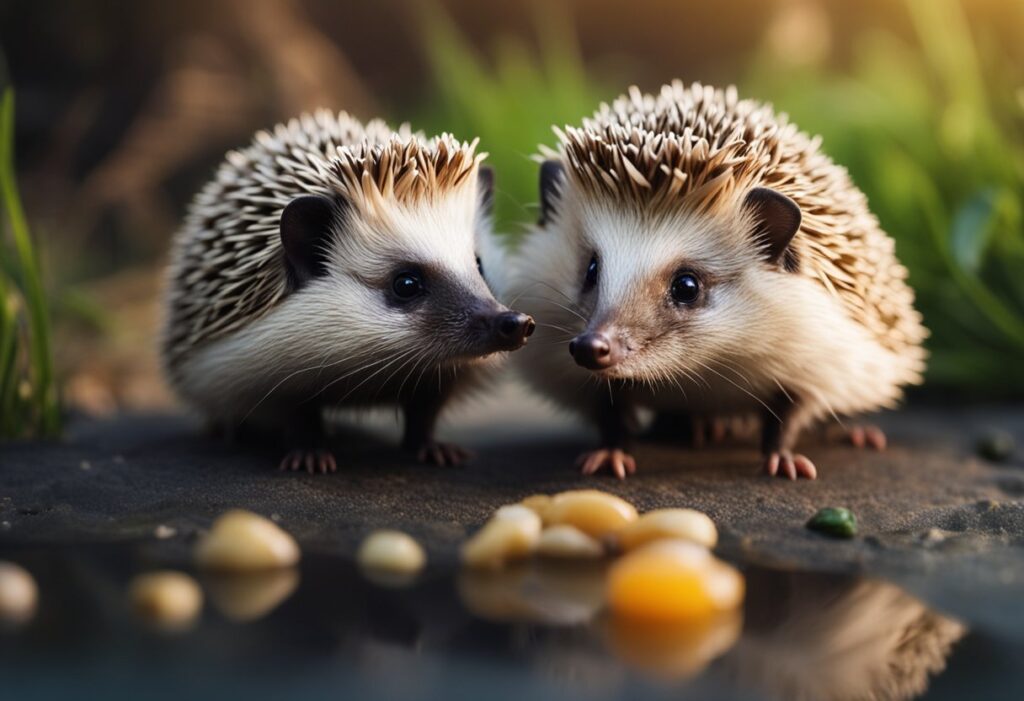
Including fish in the diet of African Pygmy Hedgehogs can provide them with several benefits. Here are some of the pros of including fish in their diet:
- High in Protein: Fish is a great source of protein, which is essential for hedgehogs to maintain their health and wellbeing. Protein is required for the growth and repair of tissues and helps to maintain healthy skin, fur, and nails.
- Rich in Omega-3 Fatty Acids: Fish is an excellent source of omega-3 fatty acids, which are essential for overall health. Omega-3 fatty acids help to reduce inflammation, improve brain function, and promote healthy skin and fur.
- Provides Essential Nutrients: Fish is a great source of essential vitamins and minerals, such as vitamin D, vitamin B12, and phosphorus. These nutrients are essential for the growth and development of hedgehogs.
- Variety in Diet: Including fish in the diet of African Pygmy Hedgehogs can provide them with variety in their diet. A varied diet is essential for hedgehogs to get all the nutrients they need to maintain their health and wellbeing.
However, it is important to note that not all types of fish are suitable for hedgehogs. Fish high in mercury, such as tuna, should be avoided. It is also important to ensure that the fish is cooked properly and does not contain any bones, which can be harmful to hedgehogs.
Cons of Including Fish in Their Diet

While African pygmy hedgehogs can eat fish, it is important to consider the potential drawbacks of including it in their diet. Here are a few possible cons to keep in mind:
- Mercury Content: Some types of fish can contain high levels of mercury, which can be toxic to hedgehogs. While small amounts of fish may not pose a significant risk, it is important to be cautious and avoid feeding them fish that may contain high levels of mercury.
- Choking Hazard: Fish bones can be a choking hazard for hedgehogs, especially if they are not properly prepared. If you do choose to feed your hedgehog fish, be sure to remove all bones and prepare it in a way that is easy for them to eat.
- Imbalanced Nutrition: While fish can provide a source of protein and other nutrients, it should not be the primary component of a hedgehog’s diet. A diet that is too high in fish can lead to imbalanced nutrition and potential health problems. It is important to ensure that your hedgehog’s diet includes a variety of foods that meet their nutritional needs.
Overall, while fish can be a part of an African pygmy hedgehog’s diet, it is important to consider the potential drawbacks and ensure that it is fed in moderation and in a safe and appropriate manner.
Expert Opinions on Feeding Fish to African Pygmy Hedgehogs
We consulted with several experts on the topic of feeding fish to African Pygmy Hedgehogs. Here’s what we found out:
According to Dr. Susan Brown, a veterinarian specializing in exotic pets, “Fish can be a good source of protein and omega-3 fatty acids for African Pygmy Hedgehogs, but it should only be given as an occasional treat and not as a staple food.” She recommends feeding small amounts of cooked, boneless fish such as salmon or cod, and avoiding raw fish, which can contain harmful bacteria and parasites.
Another expert, Dr. Emma Smith, a zoologist and hedgehog researcher, suggests that feeding fish to African Pygmy Hedgehogs is not necessary as they can obtain all the nutrients they need from a balanced diet of high-quality cat food and insects. She also warns that overfeeding fish can lead to obesity and other health problems in hedgehogs.
It’s important to note that some hedgehogs may have individual dietary requirements or health issues that make feeding fish a bad idea. If you’re unsure whether your hedgehog can safely eat fish, it’s best to consult with a veterinarian who specializes in exotic pets.
In summary, while fish can be a nutritious treat for African Pygmy Hedgehogs, it should only be given in moderation and as part of a balanced diet. Consult with a veterinarian if you have any concerns about feeding fish or any other foods to your hedgehog.
Alternatives to Fish in African Pygmy Hedgehogs’ Diet
As we know, African Pygmy Hedgehogs are insectivores, which means that they primarily feed on insects. However, they can also eat other foods, including fruits, vegetables, and meat. While fish can be a part of their diet, it is not necessary, and there are many other options that can provide the nutrients they need.
One alternative to fish is chicken. Cooked chicken is a great source of protein for African Pygmy Hedgehogs and can be served plain or mixed with other foods. Other meats, such as turkey or beef, can also be given in moderation.
Another option is mealworms. Mealworms are a great source of protein and are a favorite of many hedgehogs. They can be given as a treat or mixed with other foods to provide a balanced diet.
Fruits and vegetables can also be a part of their diet. Some good options include apples, bananas, carrots, and green beans. It is important to note that fruits should be given in moderation due to their high sugar content.
In addition to these options, there are also many commercial hedgehog foods available that are specifically formulated for their nutritional needs. These foods can be a great addition to their diet and can provide a balanced mix of protein, fat, and fiber.
Overall, while fish can be a part of an African Pygmy Hedgehog’s diet, there are many other options available that can provide the nutrients they need. By offering a variety of foods, we can ensure that our hedgehogs are getting a balanced diet that meets their nutritional needs.
Conclusion
In conclusion, African pygmy hedgehogs can eat fish as part of their diet. However, it should not be the main component of their diet, as it lacks essential nutrients that hedgehogs need to thrive. It is important to note that not all hedgehogs may enjoy eating fish, and it should be introduced gradually to avoid any digestive issues.
If you decide to feed your hedgehog fish, it is recommended to offer small amounts of cooked, boneless fish such as salmon or tilapia. Avoid feeding them raw fish or fish with bones, as it can pose a choking hazard or cause gastrointestinal problems. Additionally, make sure to remove any skin or bones from the fish before feeding it to your hedgehog.
It is important to provide a balanced diet for your hedgehog, consisting of high-quality commercial hedgehog food, fresh vegetables, and occasional treats such as insects or fruits. Consult with a veterinarian or a hedgehog specialist to ensure that your hedgehog’s nutritional needs are being met.
Overall, it is possible to incorporate fish into your hedgehog’s diet, but it should be done in moderation and as part of a well-balanced diet.
Frequently Asked Questions
What foods should I avoid feeding my African pygmy hedgehog?
There are several foods that you should avoid feeding your African pygmy hedgehog, including avocado, chocolate, caffeine, and dairy products. These foods can be toxic to hedgehogs and can cause serious health problems.
What fruits and vegetables are safe for African pygmy hedgehogs to eat?
African pygmy hedgehogs can safely eat a variety of fruits and vegetables, including apples, bananas, blueberries, carrots, and green beans. However, it’s important to remember that fruits and vegetables should only make up a small portion of your hedgehog’s diet.
Can African pygmy hedgehogs eat fish-based cat food?
Yes, African pygmy hedgehogs can eat fish-based cat food as part of their diet. However, it’s important to choose a high-quality cat food that is specifically formulated for hedgehogs or cats.
Is it safe for African pygmy hedgehogs to eat salmon?
Yes, African pygmy hedgehogs can eat salmon as part of their diet. However, it’s important to choose a high-quality salmon that is free from any additives or preservatives.
What is the typical lifespan of an African pygmy hedgehog?
The typical lifespan of an African pygmy hedgehog is around 4-6 years. However, with proper care and a healthy diet, some hedgehogs have been known to live up to 8 years.
Can I feed my African pygmy hedgehog carrots?
Yes, you can feed your African pygmy hedgehog carrots as part of their diet. However, it’s important to remember that fruits and vegetables should only make up a small portion of your hedgehog’s diet.