
Axolotls are fascinating creatures that are popular pets among amphibian enthusiasts. As owners, we want to make sure that our pets are healthy and receive proper nutrition. One question that often comes up is whether axolotls can eat mealworms.
Mealworms are a common food item for many reptiles and amphibians, but are they safe for axolotls to consume? While axolotls are carnivorous and will eat a variety of prey in the wild, it’s important to consider the nutritional value of their food. In this article, we will explore whether mealworms are a suitable food source for axolotls and what you should keep in mind when feeding them to your pet.
It’s important to note that not all foods are appropriate for all animals, so it’s always a good idea to do your research before introducing a new food item to your pet’s diet. With that in mind, let’s dive into the topic of whether axolotls can eat mealworms.
Understanding Axolotls’ Dietary Needs
Axolotls are carnivorous and require a diet that is high in protein. In the wild, they feed on small fish, insects, and crustaceans. As pets, they can be fed a variety of food items, including commercial pellets, live or frozen bloodworms, brine shrimp, and small pieces of fish or shrimp.
It is important to provide a balanced diet for axolotls to ensure they receive all the necessary nutrients. Feeding them only one type of food can lead to nutritional deficiencies and health problems.
Mealworms are a popular food item for many pets, but they are not recommended for axolotls. Mealworms have a hard exoskeleton that can be difficult for axolotls to digest, which can lead to impaction and blockages in their digestive system. Additionally, mealworms are high in fat and low in calcium, which can cause health problems for axolotls over time.
Instead, we recommend feeding axolotls a variety of high-quality protein sources, such as bloodworms, brine shrimp, and small pieces of fish or shrimp. Commercial pellets can also be a good source of nutrition for axolotls, but it is important to choose a high-quality brand that is specifically formulated for axolotls.
In summary, axolotls require a balanced diet that is high in protein and provides all the necessary nutrients. While mealworms may be a popular food item for many pets, they are not recommended for axolotls due to their hard exoskeleton and low nutritional value. Feeding axolotls a variety of high-quality protein sources and commercial pellets is the best way to ensure they receive all the necessary nutrients for optimal health.
Mealworms as Food
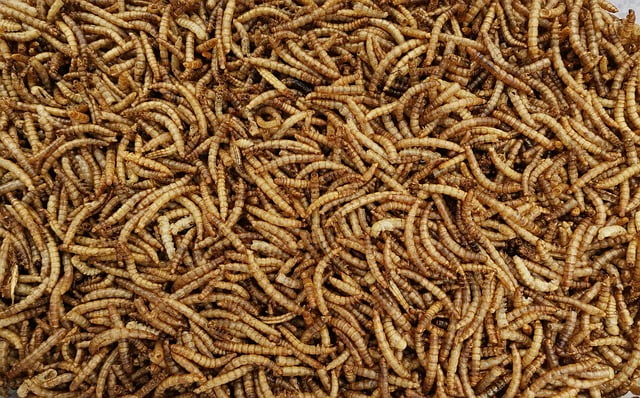
Mealworms are a common food source for many types of pets, including reptiles, birds, and even some fish. Axolotls, being carnivorous, can also eat mealworms as part of their diet.
Mealworms are a good source of protein and fat, which are both essential for the growth and health of axolotls. They are also relatively easy to obtain and store, making them a convenient food option for axolotl owners.
When feeding mealworms to axolotls, it is important to ensure that they are properly prepared. Live mealworms should be gut-loaded with nutritious foods such as fruits and vegetables before feeding them to axolotls. This ensures that the axolotls receive the necessary nutrients from the mealworms.
It is also important to note that mealworms should not be the sole food source for axolotls. A varied diet that includes other types of protein, such as earthworms and shrimp, as well as plant-based foods, such as pellets and vegetables, is essential for the overall health and well-being of axolotls.
In summary, mealworms can be a nutritious and convenient food option for axolotls when properly prepared and offered as part of a varied diet.
Nutritional Value of Mealworms

Mealworms are a popular snack for many pets, including axolotls. They are rich in protein, fat, and fiber, which makes them a nutritious addition to their diet. In this section, we will discuss the nutritional value of mealworms and how they can benefit your axolotl.
Protein
Mealworms are a great source of protein, which is essential for the growth and development of axolotls. They contain around 20% protein, which is higher than many other insects. Protein is necessary for the formation of muscles, bones, and other tissues, and it also plays a vital role in the immune system.
Fat
Mealworms are also high in fat, which is an important source of energy for axolotls. They contain around 13% fat, which is mostly unsaturated. Unsaturated fats are considered healthy because they can help reduce the risk of heart disease and other health problems.
Fiber
Mealworms are a good source of fiber, which helps regulate digestion and promote bowel movements. They contain around 2% fiber, which is essential for maintaining a healthy digestive system.
Vitamins and Minerals
Mealworms are also rich in vitamins and minerals, including vitamin B12, iron, and zinc. Vitamin B12 is important for the formation of red blood cells, while iron is necessary for oxygen transport. Zinc is essential for the immune system and wound healing.
Overall, mealworms are a nutritious snack for axolotls, and they can provide many health benefits. However, it is important to feed them in moderation and supplement their diet with other foods to ensure they receive a balanced diet.
Risks and Precautions
When feeding axolotls mealworms, there are a few risks and precautions to keep in mind. First, mealworms have a hard exoskeleton that can be difficult for axolotls to digest. This can lead to digestive issues and potential blockages in their digestive system.
To minimize this risk, it is important to only feed axolotls mealworms that are appropriately sized for their mouth and digestive system. Additionally, it is recommended to feed mealworms in moderation and as part of a varied diet that includes other protein sources.
Another risk to consider is the potential for mealworms to carry harmful bacteria or parasites. To mitigate this risk, it is important to only purchase mealworms from reputable sources and to thoroughly wash them before feeding them to your axolotl.
Finally, it is important to monitor your axolotl after feeding them mealworms to ensure they are able to digest them properly and do not experience any adverse reactions. If you notice any issues, such as bloating or lethargy, it is best to discontinue feeding mealworms and consult with a veterinarian.
Overall, while mealworms can be a nutritious and tasty addition to an axolotl’s diet, it is important to take necessary precautions and monitor their intake to ensure their health and wellbeing.
Alternatives to Mealworms
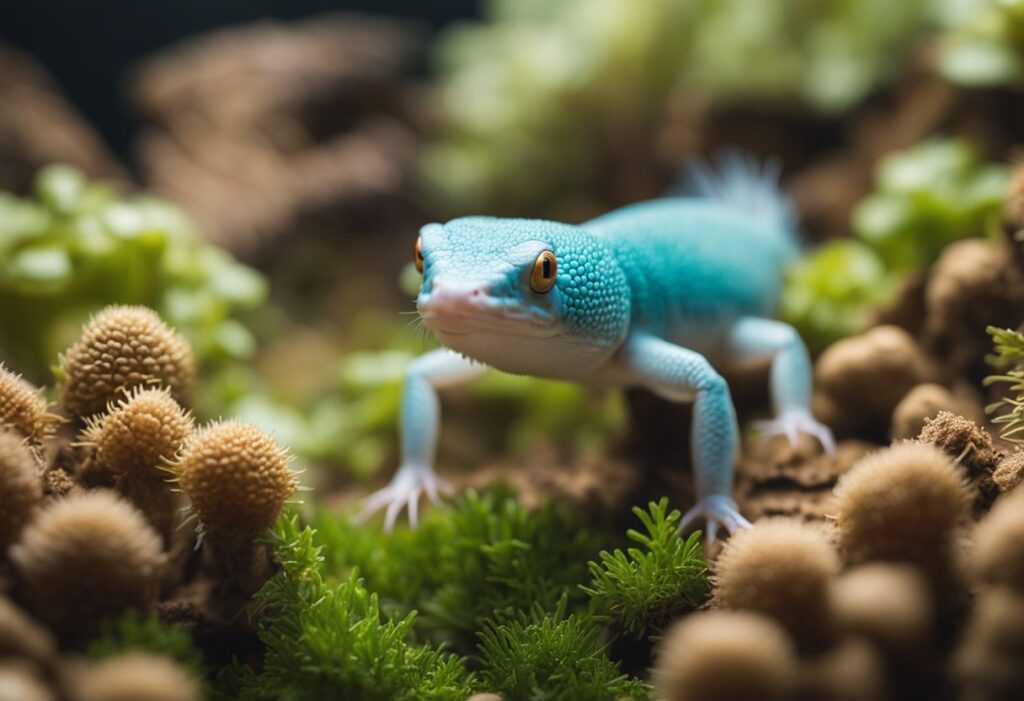
When it comes to feeding axolotls, there are several alternatives to mealworms that can provide a balanced diet. Here are some options that you can consider:
Earthworms
Earthworms are a great source of protein and are highly recommended as a staple food for axolotls. They are easily digestible and can help prevent digestive problems. You can find earthworms at your local bait shop or online.
Blackworms
Blackworms are another great option for axolotls. They are high in protein and are a good source of essential fatty acids. They are also easy to digest and can help prevent digestive problems. You can find blackworms at your local pet store or online.
Bloodworms
Bloodworms are a popular food choice for many aquarium fish, and they can also be fed to axolotls. They are high in protein and are a good source of essential amino acids. However, they should only be fed as a treat, as they can cause digestive problems if fed in excess.
Pellets
Pellets are a convenient option for feeding axolotls, as they are easy to store and can provide a balanced diet. Look for high-quality pellets that are specifically formulated for axolotls. Make sure to soak the pellets in water before feeding to prevent digestive problems.
Overall, there are several alternatives to mealworms that can provide a balanced diet for axolotls. It’s important to vary their diet and feed them a variety of foods to ensure that they receive all the necessary nutrients.
How to Feed Mealworms to Axolotls
Feeding mealworms to axolotls can be a great source of protein and nutrition for these aquatic creatures. However, it is important to prepare and feed them properly to ensure the axolotls receive the necessary nutrients and avoid any potential health issues.
Preparation
Before feeding mealworms to axolotls, it is important to properly prepare them. Here are some steps to follow:
- Purchase high-quality mealworms from a reputable source.
- Store the mealworms in a container with a lid and keep them in a cool, dark place.
- Gut-load the mealworms with nutritious foods such as carrots, sweet potatoes, and leafy greens.
- Dust the mealworms with a calcium supplement before feeding them to the axolotls.
Feeding Frequency
Axolotls have a high metabolism and require frequent feeding. However, it is important not to overfeed them as this can lead to health issues such as obesity and digestive problems. Here are some guidelines to follow:
- Feed adult axolotls 2-3 times a week.
- Feed juvenile axolotls daily.
- Offer mealworms as a supplement to their regular diet of pellets and live food.
In conclusion, feeding mealworms to axolotls can be a great way to provide them with a nutritious and delicious treat. By following the proper preparation and feeding frequency guidelines, we can ensure that our axolotls remain healthy and happy.
Conclusion
In conclusion, axolotls can eat mealworms as a part of their diet. However, it is important to keep in mind that mealworms should not be the primary source of nutrition for axolotls.
Axolotls require a diverse diet that includes a variety of live foods such as earthworms, brine shrimp, and bloodworms. These live foods provide essential nutrients that cannot be found in mealworms alone.
Furthermore, it is important to ensure that the mealworms are appropriately sized for the axolotl. Overfeeding mealworms can lead to obesity and other health issues in axolotls.
Overall, mealworms can be a nutritious addition to an axolotl’s diet when fed in moderation and alongside a diverse range of live foods. As with any dietary changes, it is recommended to consult with a veterinarian or experienced axolotl owner to ensure that your axolotl’s nutritional needs are being met.
Frequently Asked Questions
What are some alternative foods for axolotls besides mealworms?
Axolotls have a diverse diet and can eat a variety of foods. Some alternative foods for axolotls besides mealworms include earthworms, brine shrimp, krill, and bloodworms.
Can axolotls safely eat bloodworms?
Yes, axolotls can safely eat bloodworms. Bloodworms are a great source of protein and nutrients for axolotls.
Is it safe for axolotls to consume dried shrimp?
Dried shrimp can be fed to axolotls, but it should not make up the majority of their diet. It is important to ensure that the dried shrimp is of high quality and free from any additives or preservatives.
What is the best diet for axolotls?
The best diet for axolotls consists of a variety of foods, including earthworms, brine shrimp, krill, and bloodworms. It is important to provide a balanced diet to ensure that axolotls receive all the necessary nutrients.
Are dubia roaches a suitable food for axolotls?
Dubia roaches are not a suitable food for axolotls. They are high in chitin, which can be difficult for axolotls to digest and can lead to impaction.
Can axolotls consume maggots?
Axolotls can consume maggots, but they should not make up the majority of their diet. It is important to ensure that the maggots are of high quality and free from any harmful bacteria or parasites.