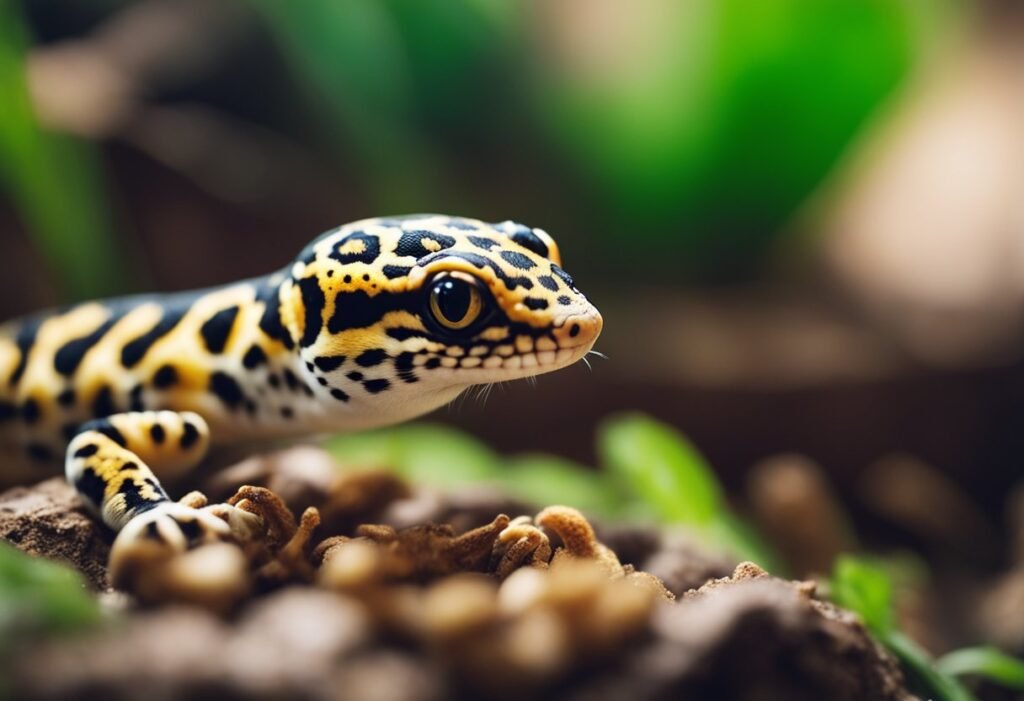
Leopard geckos are one of the most popular reptile pets, known for their docile nature and easy-to-care-for lifestyle. As with any pet, providing proper nutrition is crucial for their health and well-being. Mealworms are a popular staple food for leopard geckos, but can baby leopard geckos eat them?
The answer is yes, baby leopard geckos can eat mealworms. In fact, mealworms are a great source of protein and other essential nutrients for growing leopard geckos. However, it’s important to note that baby leopard geckos have different nutritional needs than adult leopard geckos, and their diet should be adjusted accordingly. In this article, we’ll explore the benefits and potential risks of feeding mealworms to baby leopard geckos, as well as alternative food options to ensure their optimal health.
Dietary Basics for Baby Leopard Geckos
When it comes to feeding baby leopard geckos, it’s important to provide them with a balanced and nutritious diet. Here are some dietary basics to keep in mind:
Feeding Schedule
Baby leopard geckos should be fed daily, with a variety of food items to ensure they receive a balanced diet. It’s important to offer food at the same time each day to establish a feeding routine.
Food Options
Mealworms are a popular food choice for baby leopard geckos, but they should not be the only food item offered. Other options include crickets, dubia roaches, and waxworms. It’s important to offer a variety of food items to prevent nutritional deficiencies.
Gut Loading
Before feeding, it’s important to “gut load” the food items with nutritious foods. This means feeding the food items a nutritious diet, such as fruits, vegetables, and commercial gut loading products, to ensure the gecko receives optimal nutrition.
Dusting
Food items should also be dusted with calcium and vitamin supplements to ensure the gecko receives adequate nutrition. This is especially important for baby leopard geckos, as they require extra calcium for proper bone development.
Overall, providing a balanced and nutritious diet is essential for the health and wellbeing of baby leopard geckos. By following these dietary basics, you can ensure your gecko receives the nutrition it needs to thrive.
Nutritional Value of Mealworms
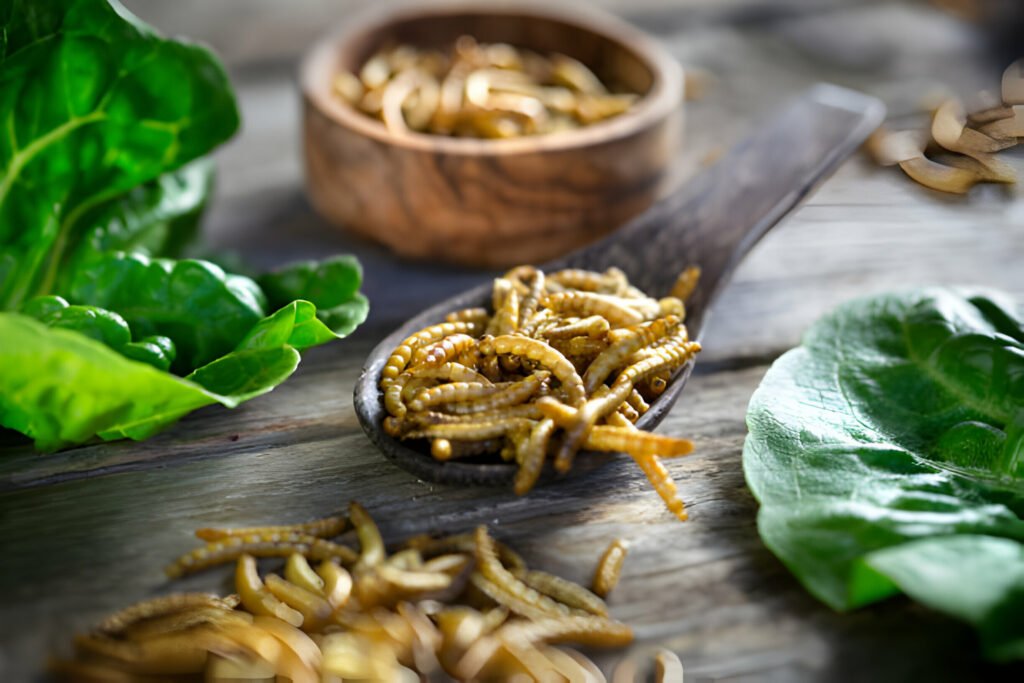
Mealworms are a popular food choice for many species of reptiles, including baby leopard geckos. They are a good source of protein and fat, and also contain some vitamins and minerals that are essential for the growth and development of young geckos.
Here are some of the key nutritional components of mealworms:
- Protein: Mealworms are a rich source of protein, which is essential for building and repairing tissues in the body. They contain about 20-25% protein by weight, which is higher than many other commonly used feeder insects.
- Fat: Mealworms are also high in fat, which provides energy for the body. They contain about 10-15% fat by weight, which is important for young geckos who are still growing and need plenty of energy.
- Vitamins and minerals: While mealworms are not as rich in vitamins and minerals as some other feeder insects, they do contain some important nutrients. They are a good source of calcium, which is essential for strong bones and teeth, as well as some B vitamins and vitamin E.
Overall, mealworms are a nutritious and beneficial food choice for baby leopard geckos. They provide a good balance of protein and fat, as well as some important vitamins and minerals. However, it is important to remember that they should be fed in moderation and as part of a balanced diet that includes other feeder insects and vegetables.
Appropriate Feeding Schedule
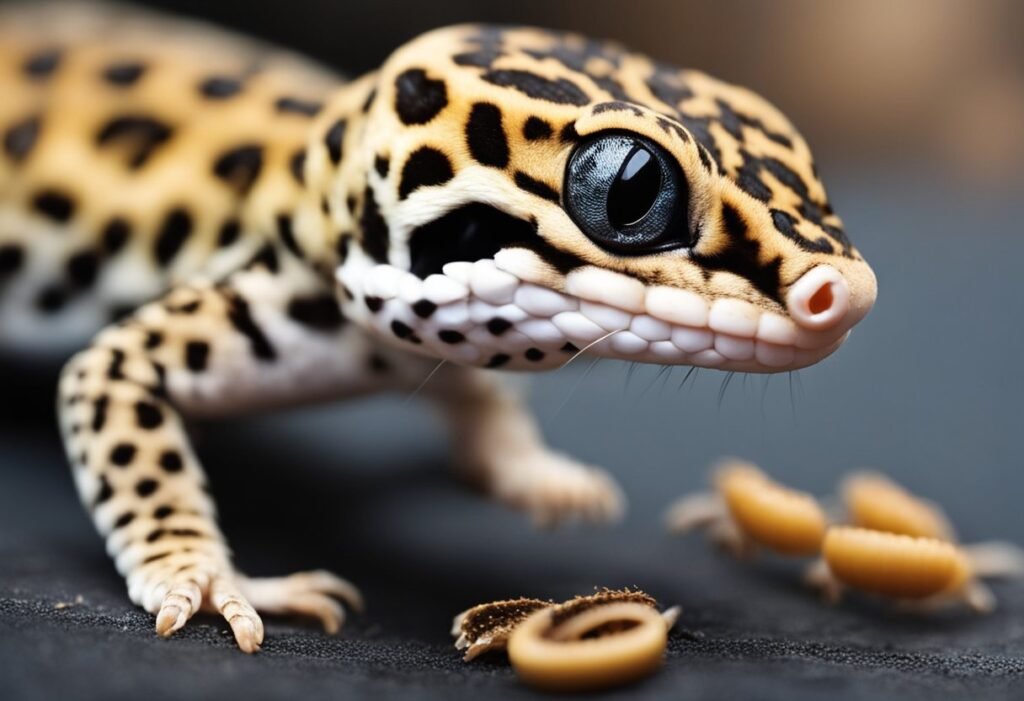
When it comes to feeding baby leopard geckos, it’s important to establish a consistent feeding schedule. We recommend feeding them 2-3 times a day, depending on their age and size. It’s important to avoid overfeeding as this can lead to obesity and other health problems.
Mealworms are a great food source for baby leopard geckos, but it’s important to ensure they are properly gut-loaded and dusted with calcium and other essential vitamins and minerals. We recommend feeding them mealworms that are no larger than the width of their head.
In addition to mealworms, we also recommend offering other food sources such as crickets, waxworms, and small pieces of fruit or vegetables. Variety is key to ensuring a balanced diet and preventing boredom.
It’s important to monitor your baby leopard gecko’s weight and adjust their feeding schedule accordingly. If you notice they are gaining too much weight, reduce the frequency of feedings or adjust the portion size.
Overall, establishing a consistent and balanced feeding schedule is crucial for the health and wellbeing of your baby leopard gecko. With proper care and attention, they can thrive and grow into healthy adult geckos.
Preparing Mealworms for Feeding
When feeding baby leopard geckos, it is important to prepare mealworms properly to ensure they are safe and nutritious for your pet. Here are some tips on how to prepare mealworms for feeding:
- Choose fresh, healthy mealworms: Always select mealworms that are plump, firm, and active. Avoid mealworms that are discolored, sluggish, or have a foul odor.
- Clean and gutload the mealworms: Before feeding, clean the mealworms by placing them in a container with a small amount of wheat bran or oatmeal. This will help remove any dirt or debris from their bodies. Additionally, gutload the mealworms by feeding them nutritious foods such as carrots, apples, or leafy greens for at least 24 hours prior to feeding.
- Dust the mealworms with supplements: Leopard geckos require a balanced diet that includes essential vitamins and minerals. To ensure your gecko is receiving all the necessary nutrients, dust the mealworms with a reptile vitamin and mineral supplement before feeding.
- Offer mealworms in appropriate sizes: Baby leopard geckos have small mouths, so it is important to offer mealworms that are an appropriate size for their age and size. As a general rule, the mealworms should be no larger than the space between your gecko’s eyes.
By following these steps, you can prepare mealworms that are safe and nutritious for your baby leopard gecko. Always monitor your gecko during feeding to ensure they are eating properly and adjust the feeding schedule as needed.
Monitoring Your Gecko’s Health
As responsible leopard gecko owners, it’s important to monitor our gecko’s health to ensure they are happy and healthy. Here are some tips on what to look for:
Appearance
We should regularly check our gecko’s appearance to ensure they are healthy. This includes checking for any signs of injury or illness, such as wounds, swelling, or discoloration. We should also ensure that our gecko is maintaining a healthy weight and is not too thin or too obese.
Behavior
We should observe our gecko’s behavior to ensure they are not showing signs of stress or illness. This includes monitoring their activity level, appetite, and bathroom habits. If our gecko is not eating or is not using the bathroom regularly, it could be a sign of an underlying health issue.
Parasites
We should regularly check our gecko for parasites, such as mites or ticks. These parasites can cause a variety of health issues and should be treated immediately if detected. We can use a magnifying glass to inspect our gecko’s skin and scales for any signs of parasites.
Feeding
We should ensure that our gecko is receiving a balanced diet and is not overeating or under-eating. Mealworms can be a great source of nutrition for baby leopard geckos, but we should ensure that they are not the only food source. We can also offer our gecko other insects, such as crickets or dubia roaches, to provide a variety of nutrients.
By regularly monitoring our gecko’s health, we can ensure that they are happy and healthy. If we notice any signs of illness or injury, we should consult with a veterinarian who specializes in reptiles.
Common Feeding Mistakes to Avoid
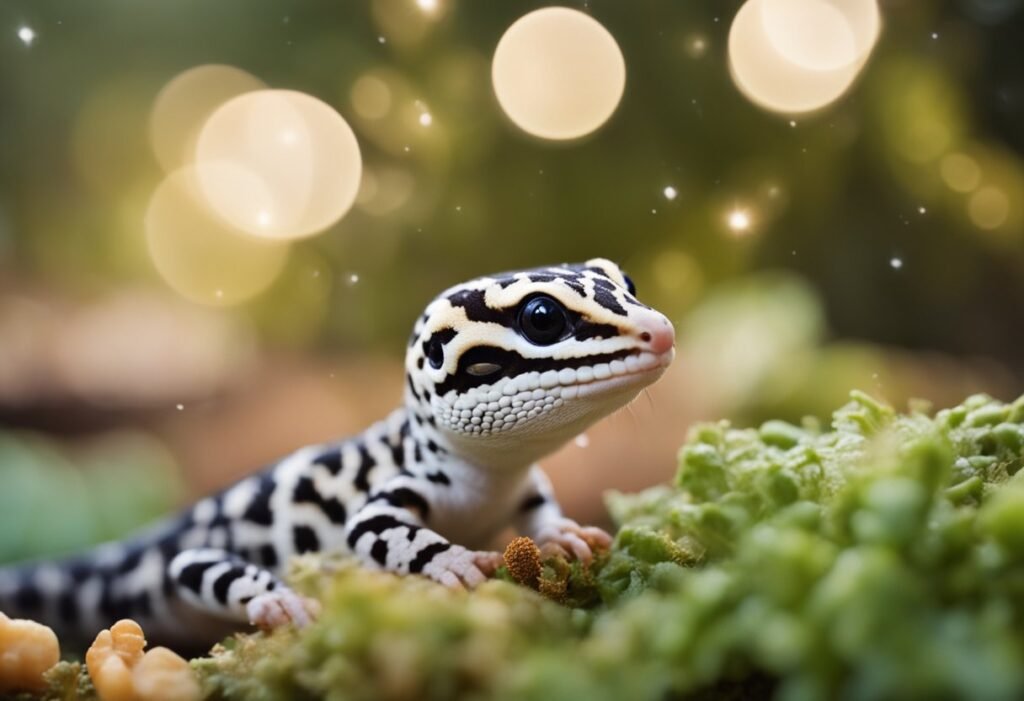
When it comes to feeding baby leopard geckos, there are some common mistakes that many new owners make. Here are a few things to avoid:
Feeding Mealworms Exclusively
While mealworms are a great staple food for leopard geckos, it’s important not to rely on them exclusively. A varied diet is essential for providing your gecko with all the nutrients they need to stay healthy. Consider offering crickets, dubia roaches, or other insects as well.
Overfeeding
It can be tempting to give your gecko as much food as they want, but overfeeding can lead to health problems. Baby leopard geckos should be fed every day, but only offer them as much food as they can eat in 10-15 minutes. If there is any leftover food, remove it from the enclosure to prevent your gecko from overeating.
Not Dusting Insects
Insects like crickets and mealworms should be dusted with a calcium supplement before feeding them to your gecko. This is important for preventing metabolic bone disease, which can be a serious health issue for leopard geckos. Make sure to dust your gecko’s food with a calcium supplement at least once a week.
Feeding Insects That Are Too Large
It’s important to offer appropriately sized insects to your gecko. Baby leopard geckos should be fed small insects like small crickets or small mealworms. Feeding insects that are too large can lead to digestive issues and even impaction, which can be fatal.
By avoiding these common feeding mistakes, you can help ensure that your baby leopard gecko stays healthy and happy. Remember to always provide fresh water and a clean enclosure as well.
Frequently Asked Questions
What is the appropriate age to start feeding mealworms to baby leopard geckos?
We recommend waiting until your baby leopard gecko is at least 4-6 weeks old before introducing mealworms to their diet. At this age, they should be able to handle the size and texture of the mealworms.
How many mealworms are recommended for a young leopard gecko per feeding?
For young leopard geckos, we recommend feeding 2-3 appropriately sized mealworms per feeding, 2-3 times per week. As they grow, you can increase the number of mealworms and frequency of feedings.
Are there any risks associated with feeding mealworms to leopard geckos?
While mealworms are a great source of nutrition for leopard geckos, there are some risks to be aware of. Mealworms should be appropriately sized for the gecko to prevent choking, and should not be fed exclusively as they do not provide a complete and balanced diet. Additionally, mealworms can sometimes carry parasites or bacteria, so it is important to purchase them from a reputable source and wash them before feeding.
What alternative foods can I offer to my leopard gecko besides mealworms?
There are many other insects that are safe and nutritious for leopard geckos, including crickets, dubia roaches, and black soldier fly larvae. You can also offer small amounts of fruits and vegetables as occasional treats.
How can I ensure that my baby leopard gecko is receiving a balanced diet?
It is important to offer a variety of insects and supplement their diet with calcium and vitamin D3. You can dust their food with a calcium and vitamin supplement powder, or provide a dish of calcium powder for them to lick as needed.
What signs indicate a baby leopard gecko is healthy and eating properly?
A healthy baby leopard gecko will have clear eyes, a plump tail, and be active and alert. They should also have regular bowel movements and show interest in their food. If you notice any changes in their behavior or appearance, it is important to consult a veterinarian.