Leopard geckos are one of the most popular reptile pets in the world. They are known for their easy-going nature and unique appearance. However, when it comes to feeding these creatures, there is often confusion about what they can and cannot eat. One question that frequently arises is whether baby leopard geckos can eat superworms.
Superworms are a popular choice for feeding reptiles, and they are often used as a staple food for leopard geckos. However, there is some debate about whether they are appropriate for baby leopard geckos. Some experts believe that superworms are too large and difficult for young geckos to digest, while others argue that they are perfectly fine as long as they are fed in moderation.
In this article, we will explore the question of whether baby leopard geckos can eat superworms. We will examine the nutritional value of superworms, the potential risks and benefits of feeding them to young geckos, and provide guidance on how to incorporate superworms into a balanced diet for your pet.
Leopard Gecko Dietary Basics

Leopard geckos are insectivores, which means their diet consists mostly of insects. As responsible pet owners, it is our responsibility to ensure that our leopard geckos are receiving a well-balanced diet that meets their nutritional requirements.
Nutritional Requirements
Leopard geckos require a diet that is high in protein, low in fat, and contains a balanced ratio of calcium and phosphorus. Insects such as crickets, mealworms, and dubia roaches are great sources of protein for leopard geckos. However, it is important to gut-load these insects with nutritious food before feeding them to your leopard gecko.
Calcium is essential for the development and maintenance of strong bones in leopard geckos. Without enough calcium in their diet, leopard geckos can develop metabolic bone disease, which can be fatal. Dusting insects with calcium powder before feeding them to your leopard gecko is a great way to ensure they are getting enough calcium.
Feeding Frequency for Baby Leopard Geckos
Baby leopard geckos require more frequent feedings than adult leopard geckos. It is recommended to feed baby leopard geckos once a day, while adult leopard geckos can be fed every other day. The amount of food given to your leopard gecko should be based on their size and appetite.
It is important to note that leopard geckos should not be overfed, as obesity can lead to health problems such as fatty liver disease. Always monitor your leopard gecko’s weight and adjust their feeding schedule accordingly.
In conclusion, providing a well-balanced diet that meets the nutritional requirements of leopard geckos is essential for their health and well-being. By following the guidelines outlined above, we can ensure that our leopard geckos are receiving the proper nutrition they need to thrive.
Understanding Superworms
What Are Superworms
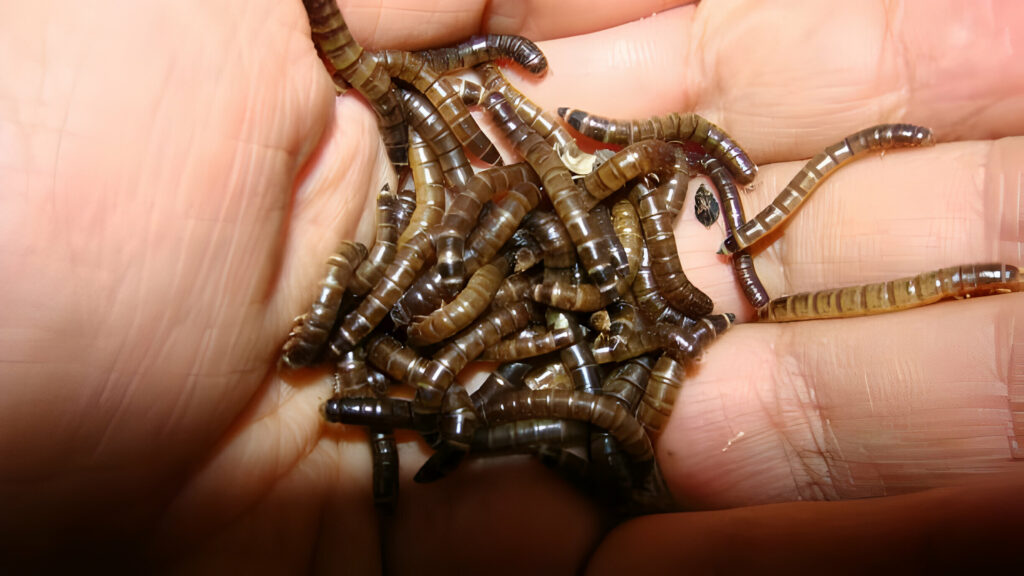
Superworms are the larvae of the darkling beetle, Zophobas morio. They are commonly used as a food source for reptiles, including baby leopard geckos, due to their high protein content. Superworms are larger than mealworms, making them a good option for feeding to larger reptiles.
Superworms are sold in pet stores and online, and they can be kept in a container with a substrate of oatmeal, wheat bran, or another grain. They are easy to maintain and can live for several weeks without food.
Nutritional Profile of Superworms
Superworms are a good source of protein, fat, and fiber. They are also high in calcium, which is important for the growth and development of baby leopard geckos. However, they are low in moisture, so it is important to provide your gecko with a source of water.
In terms of macronutrients, superworms contain approximately 20% protein, 14% fat, and 2% fiber. They also contain vitamins and minerals, including calcium, phosphorus, and potassium.
It is important to note that superworms should not be the sole source of nutrition for baby leopard geckos. They should be fed in combination with other foods, such as crickets, mealworms, and vegetables, to ensure a balanced diet.
Overall, superworms are a nutritious food source for baby leopard geckos, but they should be fed in moderation and in combination with other foods to ensure a balanced diet.
Safety of Superworms for Baby Leopard Geckos
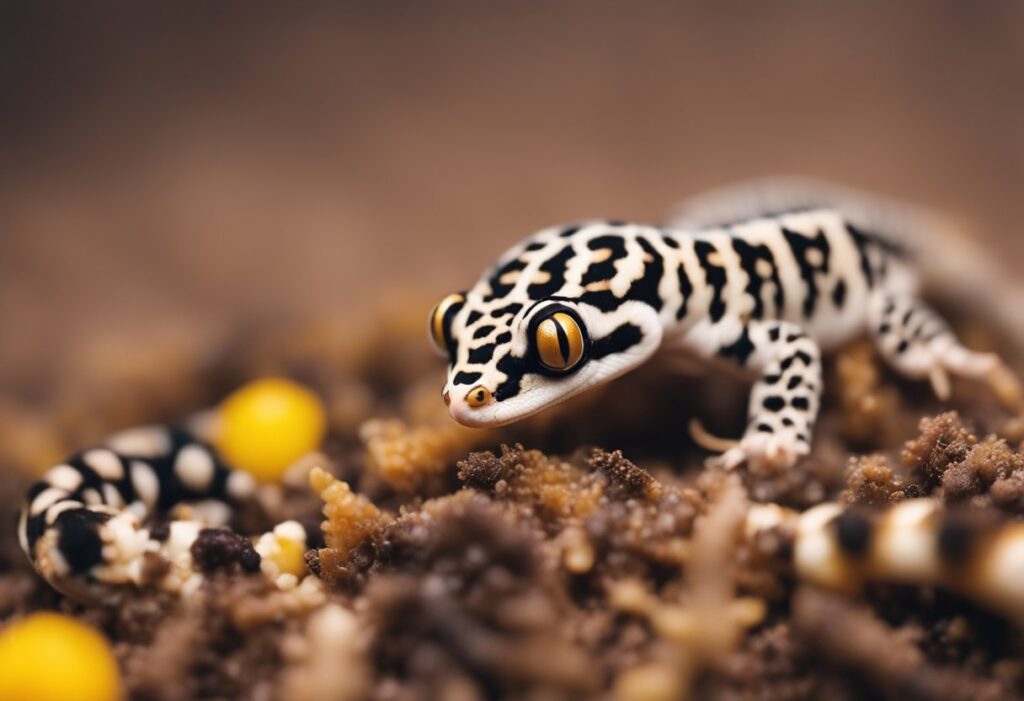
When it comes to feeding baby leopard geckos, it is important to ensure that the food provided is safe for their consumption. One common question that arises is whether superworms are safe for baby leopard geckos to eat. In this section, we will discuss the safety of superworms for baby leopard geckos and provide information on the potential risks and appropriate sizes for consumption.
Potential Risks
While superworms can be a nutritious addition to a baby leopard gecko’s diet, there are potential risks associated with their consumption. One risk is that superworms may be too large for baby leopard geckos to consume, which can lead to choking or impaction. Another risk is that superworms may bite or injure the gecko if they are not properly prepared.
To minimize the risk of choking or impaction, it is important to ensure that the superworms are an appropriate size for the gecko. Additionally, it is recommended to feed superworms that have been gut-loaded and dusted with calcium and other essential vitamins and minerals.
Appropriate Sizes for Consumption
When feeding baby leopard geckos, it is important to provide appropriately sized prey to ensure that they can consume it safely. Superworms that are too large can lead to choking or impaction, while those that are too small may not provide enough nutrition.
For baby leopard geckos, it is recommended to feed superworms that are no larger than the width of the gecko’s head. This ensures that the gecko can consume the superworm safely and without risk of choking or impaction.
In conclusion, while superworms can be a nutritious addition to a baby leopard gecko’s diet, it is important to ensure that they are consumed safely and in appropriate sizes. By following these guidelines, you can provide your baby leopard gecko with a healthy and balanced diet.
Feeding Baby Leopard Geckos Superworms
When it comes to feeding baby leopard geckos, it is important to provide them with a balanced and nutritious diet. Superworms are a popular choice among many gecko owners, but it is important to know how to properly prepare and offer them to your gecko.
Preparing Superworms for Feeding
Before feeding superworms to your baby leopard gecko, it is important to properly prepare them. First, make sure that the superworms are gut-loaded with a nutritious diet for at least 24 hours before feeding them to your gecko. This will ensure that your gecko is getting the necessary nutrients from the superworms.
Next, you can dust the superworms with a calcium and vitamin supplement powder. This will provide your gecko with additional nutrients that they need for healthy growth and development.
How to Offer Superworms to Your Gecko
When offering superworms to your baby leopard gecko, it is important to make sure that they are the appropriate size. Superworms that are too large can be difficult for your gecko to digest and can cause health problems.
To offer superworms to your gecko, you can place them in a shallow dish or directly on the feeding surface. It is important to monitor your gecko while they are eating to ensure that they are able to swallow the superworms without any issues.
In conclusion, superworms can be a great addition to a baby leopard gecko’s diet when properly prepared and offered. By following these simple steps, you can ensure that your gecko is getting the necessary nutrients for healthy growth and development.
Alternatives to Superworms
When it comes to feeding baby leopard geckos, there are several alternatives to superworms that can provide a balanced and nutritious diet. In this section, we will explore some of these alternatives and their benefits.
Other Feeder Insects
One of the most popular alternatives to superworms is crickets. They are widely available and can be purchased in various sizes, making them suitable for baby leopard geckos. Crickets are also a good source of protein and can be gut-loaded with vegetables and fruits to provide additional nutrients.
Another feeder insect that can be fed to baby leopard geckos is mealworms. However, it is important to note that mealworms have a hard exoskeleton that can be difficult for baby leopard geckos to digest. To make them more digestible, mealworms can be offered in smaller quantities or soaked in water before feeding.
Dubia roaches are another option that can provide a balanced diet for baby leopard geckos. They are high in protein and low in fat, making them an ideal feeder insect. Dubia roaches can also be gut-loaded with vegetables and fruits to provide additional nutrients.
Dietary Supplements and Variety
In addition to feeder insects, it is important to provide baby leopard geckos with a variety of food items and dietary supplements. This can help ensure that they receive a balanced diet and all the necessary nutrients.
Calcium supplements are essential for baby leopard geckos as they require high levels of calcium for proper bone growth and development. These supplements can be dusted on feeder insects before feeding.
Vitamin supplements can also be added to the diet of baby leopard geckos. These supplements can help provide additional nutrients that may be lacking in their diet. However, it is important to use these supplements in moderation as over-supplementation can be harmful.
In conclusion, there are several alternatives to superworms that can provide a balanced and nutritious diet for baby leopard geckos. By offering a variety of feeder insects and dietary supplements, we can ensure that our baby leopard geckos receive all the necessary nutrients for proper growth and development.
Frequently Asked Questions
What is the recommended diet for baby leopard geckos?
As hatchlings, baby leopard geckos have specific dietary needs that must be met for them to thrive. They require a diet high in protein and low in fat. The best diet for baby leopard geckos consists of small insects, such as crickets, mealworms, and waxworms, as well as calcium and vitamin supplements.
Are superworms safe for baby leopard geckos to consume?
Yes, superworms can be a safe and nutritious addition to a baby leopard gecko’s diet. However, it’s important to note that superworms are high in fat and should be offered in moderation. Additionally, they should only be fed to geckos that are at least 2-3 months old and have reached a healthy weight.
What are the potential risks of feeding superworms to leopard geckos?
The main risk associated with feeding superworms to leopard geckos is impaction. Superworms have a tough exoskeleton that can be difficult for geckos to digest, especially if they are fed too many at once. To minimize the risk of impaction, it’s important to feed superworms in moderation and to offer them in small pieces.
How should superworms be prepared before offering them to leopard geckos?
Before offering superworms to leopard geckos, it’s important to ensure that they are properly gut-loaded and dusted with calcium and vitamin supplements. Additionally, superworms should be offered in small pieces to minimize the risk of impaction.
What quantity of superworms is appropriate for a baby leopard gecko?
As with any food, it’s important to feed superworms in moderation. For baby leopard geckos, we recommend offering no more than 3-5 superworms per feeding, and no more than 2-3 times per week.
Aside from superworms, what other insects can be included in a leopard gecko’s diet?
There are a variety of small insects that can be included in a leopard gecko’s diet, including crickets, mealworms, waxworms, and dubia roaches. It’s important to offer a variety of insects to ensure that geckos receive a balanced diet. Additionally, all insects should be gut-loaded and dusted with calcium and vitamin supplements before being offered to geckos.