

Betta fish are a popular choice for many aquarium enthusiasts. These fish are known for their vibrant colors and unique personalities. However, when it comes to their diet, many people wonder what they should feed their betta fish. One common question is whether betta fish can eat bloodworms.
The short answer is yes, betta fish can eat bloodworms. Bloodworms are a nutritious food source that can provide your betta with essential nutrients. However, it’s important to note that bloodworms should not be the only food in your betta’s diet. Variety is key when it comes to feeding your betta fish.
When feeding your betta bloodworms, it’s important to choose high-quality frozen or freeze-dried bloodworms. Live bloodworms can carry parasites and bacteria that can be harmful to your fish. Additionally, overfeeding your betta with bloodworms can lead to health problems such as constipation and bloating.
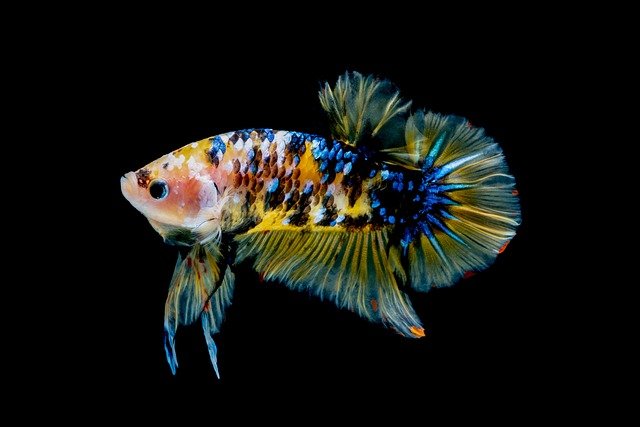
Understanding Betta Fish Diet
Betta fish are carnivorous and require a diet that is high in protein. In the wild, they feed on small insects, larvae, and crustaceans. In captivity, they can be fed a variety of foods including pellets, flakes, and live or frozen foods such as bloodworms.
It is important to understand that not all live or frozen foods are suitable for betta fish. Some live foods, such as feeder fish, can carry diseases that can be harmful to bettas. Additionally, some frozen foods may not be nutritionally balanced and can lead to health problems if fed exclusively.
When feeding live or frozen foods, it is important to ensure that they are properly prepared and stored. Frozen foods should be thawed in a separate container and rinsed before feeding to remove any excess salt or preservatives.
It is also important to vary the diet of betta fish to ensure they receive all the necessary nutrients. A varied diet can include a combination of pellets, flakes, and live or frozen foods such as bloodworms, brine shrimp, and daphnia.
In summary, betta fish require a high protein diet and can be fed a variety of foods including pellets, flakes, and live or frozen foods such as bloodworms. It is important to ensure that live and frozen foods are properly prepared and stored, and that the diet is varied to provide all necessary nutrients.
Bloodworms as a Food Source
Betta fish are carnivorous and require a diet that is high in protein. Bloodworms are a popular food source for betta fish and are readily available in pet stores. In this section, we will discuss the nutritional value of bloodworms and compare live vs freeze-dried bloodworms.
Nutritional Value
Bloodworms are a good source of protein and contain essential amino acids that betta fish require for growth and maintenance. They are also high in fat, which provides energy for the fish. However, it is important to note that bloodworms should not be the only food source for betta fish. A varied diet that includes other sources of protein, such as brine shrimp or daphnia, is essential for optimal health.
Live vs Freeze-Dried Bloodworms
Live bloodworms are a great option for betta fish as they are a natural food source that mimics the diet of betta fish in the wild. They are also more palatable than freeze-dried bloodworms, which can be less appetizing to some betta fish.
However, freeze-dried bloodworms are a convenient option as they do not require refrigeration and have a longer shelf life than live bloodworms. They are also less messy than live bloodworms, which can leave debris in the tank.
It is important to note that freeze-dried bloodworms should be rehydrated before feeding to prevent digestive issues in betta fish. We recommend soaking the freeze-dried bloodworms in tank water for a few minutes before feeding.
In conclusion, bloodworms are a good source of protein for betta fish, but should not be the only food source. Live bloodworms are a great option, but freeze-dried bloodworms are a convenient alternative. It is important to provide a varied diet to ensure optimal health for betta fish.
Feeding Betta Fish with Bloodworms
When it comes to feeding betta fish, one of the most popular food choices is bloodworms. These small, red worms are high in protein and easy to digest, making them a nutritious option for your fish. However, it’s important to know how much and how often to feed your betta with bloodworms.
Portion Size
Betta fish have small stomachs, so it’s important not to overfeed them. A good rule of thumb is to feed your betta fish a portion that is no larger than the size of their eye. This means that you should only give them a few bloodworms at a time, depending on the size of the worms.
Feeding Frequency
In terms of feeding frequency, it’s recommended to feed your betta fish once or twice a day. This can vary depending on the age and activity level of your fish. Younger and more active bettas may require more frequent feedings, while older and less active bettas may only need to be fed once a day.
When feeding your betta fish with bloodworms, it’s important to keep in mind that they should not be the only food source. A healthy diet for bettas should include a variety of foods such as pellets, flakes, and live or frozen foods like bloodworms.
Overall, bloodworms can be a great addition to your betta fish’s diet, as long as they are fed in moderation and as part of a balanced diet.

Risks and Precautions
Overfeeding Risks
While bloodworms are a nutritious food source for betta fish, overfeeding can lead to health problems. Overfeeding can cause bloating, constipation, and swim bladder issues in betta fish. These conditions can be uncomfortable for the fish and may require medical attention. It is important to feed your betta fish an appropriate amount of bloodworms based on its size and appetite.
Risk of Disease Transmission
Bloodworms can carry parasites and bacteria that can be harmful to betta fish. It is important to purchase high-quality bloodworms from a reputable source to minimize the risk of disease transmission. Additionally, it is recommended to rinse the bloodworms with clean water before feeding them to your betta fish. This can help remove any potential pathogens that may be present on the surface of the bloodworms.
It is also important to avoid feeding your betta fish live bloodworms that you have collected from the wild. These bloodworms may be contaminated with harmful bacteria and parasites that can infect your fish. Always purchase bloodworms from a reliable source to ensure that they are safe for your betta fish to eat.
Overall, feeding your betta fish bloodworms can be a healthy and nutritious addition to its diet. However, it is important to take precautions to prevent overfeeding and minimize the risk of disease transmission.
Alternative Food Options for Betta Fish
While bloodworms are a popular food option for betta fish, there are several alternative options that can provide a balanced and nutritious diet for your fish.
Pellets
Pellets are a convenient and easy-to-use food option for betta fish. They come in a variety of sizes and formulas, making it easy to find one that meets your fish’s dietary needs. Pellets are typically made with a combination of protein, vitamins, and minerals, providing a well-rounded diet for your fish.
Flakes
Flakes are another popular food option for betta fish. They are easy to use and provide a good source of protein and other essential nutrients. However, it is important to note that flakes can be messy and may not provide the same level of nutrition as pellets.
Freeze-Dried Foods
Freeze-dried foods, such as brine shrimp and krill, are another option for betta fish. They are a good source of protein and other essential nutrients, and can be used as a supplement to your fish’s regular diet. However, it is important to soak freeze-dried foods in water before feeding them to your fish to prevent digestive issues.
Live Foods
Live foods, such as daphnia and mosquito larvae, can provide a natural and nutritious diet for betta fish. They are a good source of protein and other essential nutrients, and can help to simulate the natural environment of your fish. However, it is important to ensure that live foods are free from parasites and other harmful organisms before feeding them to your fish.
Overall, there are several alternative food options for betta fish that can provide a balanced and nutritious diet. It is important to vary your fish’s diet and provide a combination of different foods to ensure that they receive all of the essential nutrients they need to thrive.

Frequently Asked Questions
What is the best food to feed betta fish?
Betta fish are carnivorous, and they need a diet that is high in protein. The best food to feed betta fish is high-quality, protein-rich pellets or flakes that are specifically formulated for betta fish. These foods should be the mainstay of your betta’s diet, but you can also supplement their diet with live or frozen foods like bloodworms, brine shrimp, or daphnia.
How often do I feed my betta bloodworms?
Betta fish should be fed small meals two to three times a day. If you are supplementing their diet with bloodworms, you can feed them once or twice a week. It’s important not to overfeed your betta, as this can lead to health problems like constipation or bloating.
Do betta fish like bloodworms or brine shrimp?
Betta fish enjoy a variety of foods, including bloodworms and brine shrimp. Both of these foods are high in protein and can be a healthy addition to your betta’s diet. However, it’s important to remember that these foods should be fed in moderation and not as a primary food source.
Can I feed my betta bloodworms daily?
No, you should not feed your betta bloodworms daily. Bloodworms should be fed as a treat or supplement to their regular diet of pellets or flakes. Overfeeding your betta with bloodworms can lead to health problems like constipation or bloating.
How many bloodworms for betta?
It’s important to feed your betta fish a balanced diet, and bloodworms should only be fed in moderation. A good rule of thumb is to feed your betta one or two bloodworms per feeding, once or twice a week.
Where to buy live bloodworms for betta?
Live bloodworms can be purchased at most pet stores that carry fish supplies. You can also find them at online retailers that specialize in aquarium supplies. It’s important to make sure that the bloodworms you purchase are fresh and of high quality to ensure the health of your betta fish.
For more information visit this E find anything