

Betta fish, also known as Siamese fighting fish, are a popular choice for many aquarium owners due to their vibrant colors and ease of care. However, when it comes to their diet, many owners are unsure of what to feed them. One common question that arises is whether betta fish can eat tropical flakes.
Tropical flakes are a common type of fish food that is often used for a variety of species. They typically contain a mixture of ingredients such as fish meal, shrimp, and various plant-based sources of protein. While tropical flakes may seem like a convenient and easy option for feeding betta fish, it is important to consider whether they are actually suitable for their dietary needs.
In this article, we will explore the question of whether betta fish can eat tropical flakes. We will examine the nutritional requirements of betta fish and compare them to the ingredients found in typical tropical flakes. By the end of this article, you will have a better understanding of whether or not tropical flakes are a good choice for feeding your betta fish.
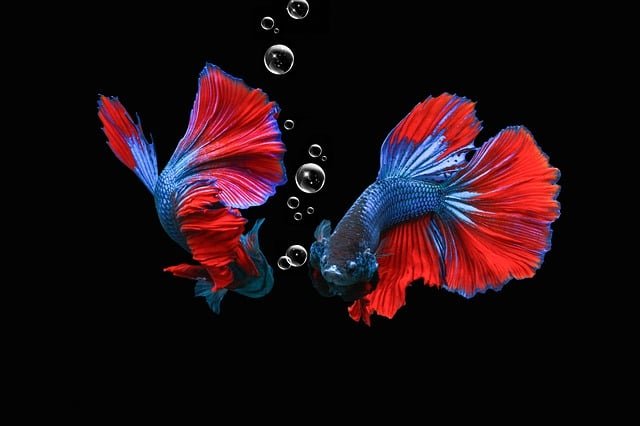
Understanding Betta Fish Diet
Betta fish are carnivorous and require a diet that is high in protein. In the wild, they feed on insects, larvae, and small crustaceans. In captivity, they can be fed a variety of foods including pellets, frozen or live foods, and flakes.
When it comes to feeding betta fish tropical flakes, it is important to choose a high-quality brand that is specifically formulated for betta fish. Flakes that are designed for tropical fish may not provide the necessary nutrients that betta fish require.
It is also important to note that betta fish have small stomachs and can only consume small amounts of food at a time. Overfeeding can lead to health problems such as constipation and bloating. A good rule of thumb is to feed your betta fish two to three small meals per day, and only feed them as much as they can consume in two minutes.
In addition to flakes, betta fish can also be fed frozen or live foods such as bloodworms, brine shrimp, and daphnia. These foods are high in protein and can provide a variety of nutrients that flakes may not have.
Overall, understanding betta fish diet is important in ensuring their health and wellbeing. By providing them with a balanced diet that includes high-quality flakes and other foods, we can help our betta fish thrive in their environment.
Can Betta Fish Eat Tropical Flakes?
As pet owners, we want to ensure that our fish are getting the proper nutrition. Betta fish are known for their vibrant colors and unique personalities, making them a popular choice for aquarium enthusiasts. One question that often arises is whether betta fish can eat tropical flakes.
Tropical flakes are a common type of fish food that is designed for a variety of tropical fish species. They typically contain a blend of proteins, vitamins, and minerals that are essential for fish health. However, when it comes to betta fish, it is important to note that they have specific dietary requirements.
Betta fish are carnivorous, which means that they require a diet that is high in protein. While tropical flakes do contain protein, they may not provide enough for betta fish. Additionally, betta fish have a small stomach and require small, frequent feedings throughout the day.
If you choose to feed your betta fish tropical flakes, it is important to supplement their diet with other protein-rich foods such as bloodworms or brine shrimp. You can also consider purchasing specialized betta fish food that is designed to meet their specific nutritional needs.
In conclusion, while betta fish can technically eat tropical flakes, it is not recommended as their sole source of nutrition. As responsible pet owners, it is important to provide our fish with a well-balanced diet that meets their specific dietary requirements.
Pros and Cons of Feeding Tropical Flakes to Betta Fish
Benefits
Feeding tropical flakes to betta fish has several benefits. Firstly, tropical flakes are a convenient and affordable option for betta fish owners. They are readily available in most pet stores and can be easily stored for long periods of time. Secondly, tropical flakes are a good source of protein and other essential nutrients that betta fish need to thrive. They contain a variety of ingredients such as fish meal, shrimp meal, and spirulina which provide a balanced diet for betta fish. Lastly, feeding tropical flakes to betta fish can help to enhance their color and promote healthy growth.
Drawbacks
While feeding tropical flakes to betta fish has its benefits, there are also some drawbacks to consider. Firstly, tropical flakes are not the most natural food source for betta fish. Betta fish are carnivores and in the wild, they primarily feed on insects and small crustaceans. Secondly, tropical flakes can be messy and can quickly pollute the water in the tank. This can lead to poor water quality which can negatively affect the health of betta fish. Lastly, some betta fish may not like the taste of tropical flakes and may refuse to eat them.
In conclusion, feeding tropical flakes to betta fish has its pros and cons. While they are a convenient and affordable option that provides essential nutrients, they are not the most natural food source for betta fish and can lead to poor water quality if not managed properly. As responsible betta fish owners, it is important to consider these factors when deciding whether or not to feed tropical flakes to our betta fish.

Alternatives to Tropical Flakes for Betta Fish
When it comes to feeding our betta fish, it’s important to provide them with a variety of food options to ensure they receive a balanced diet. While tropical flakes are a popular choice, there are also other alternatives that can be included in their diet. Here are some options to consider:
Live Foods
Live foods can be a great addition to a betta fish’s diet. They are packed with nutrients and can help to stimulate their natural hunting instincts. Some live foods that are suitable for betta fish include:
- Bloodworms
- Brine shrimp
- Daphnia
- Mosquito larvae
It’s important to note that live foods can carry parasites and diseases, so they should be purchased from a reputable source and thoroughly rinsed before feeding.
Frozen Foods
Frozen foods are another option to consider for betta fish. They are convenient and can be easily stored in the freezer. Some frozen foods that are suitable for betta fish include:
- Bloodworms
- Brine shrimp
- Daphnia
- Mysis shrimp
Frozen foods should be thawed before feeding and any uneaten portions should be removed from the tank to prevent water quality issues.
Pellets
Pellets are a convenient and easy way to feed betta fish. They come in a variety of sizes and can be formulated to meet the nutritional needs of betta fish. Some popular pellet options for betta fish include:
- Betta-specific pellets
- High-quality tropical fish pellets
- Spirulina-based pellets
When feeding pellets, it’s important to only provide what the fish can eat in a few minutes to prevent overfeeding.
Overall, there are a variety of alternatives to tropical flakes that can be included in a betta fish’s diet. By providing a variety of food options, we can ensure that our betta fish receive a balanced and nutritious diet.
Tips for Feeding Betta Fish
When it comes to feeding betta fish, there are a few things to keep in mind to ensure they receive the proper nutrition. Here are some tips to follow when feeding your betta fish:
- Feed your betta fish small amounts of food 2-3 times a day: Betta fish have small stomachs, so it’s important to feed them small amounts of food throughout the day. Overfeeding can lead to health problems and even death.
- Use high-quality betta fish food: Betta fish require a diet that is high in protein, so it’s important to choose a high-quality betta fish food that contains a good balance of protein, vitamins, and minerals. Tropical flakes may not be the best option as they are not specifically formulated for betta fish.
- Consider supplementing their diet: In addition to betta fish food, you can also supplement your betta fish’s diet with live or frozen foods such as brine shrimp, bloodworms, or daphnia. These foods provide additional protein and nutrients that can help keep your betta fish healthy.
- Avoid overfeeding: Overfeeding can lead to health problems such as bloating, constipation, and swim bladder disease. To avoid overfeeding, only give your betta fish what they can eat in a few minutes and remove any uneaten food.
- Monitor your betta fish’s weight: Betta fish should have a streamlined body shape and not be too skinny or too round. Monitoring your betta fish’s weight can help you determine if you need to adjust their diet.
By following these tips, you can ensure that your betta fish receives the proper nutrition they need to stay healthy and happy.
Conclusion
In conclusion, we have explored whether betta fish can eat tropical flakes. While it is possible for betta fish to eat tropical flakes, it is not the best option for their diet.
Tropical flakes are designed for a variety of fish species and may not provide the necessary nutrients that betta fish require. Betta fish are carnivorous and require a diet high in protein, which is not always found in tropical flakes.
Additionally, tropical flakes can be high in fillers and may not be easily digestible for betta fish. This can lead to digestive issues and potentially harm their health.
Therefore, it is recommended that betta fish be fed a diet specifically designed for their needs, such as betta pellets or frozen foods. These options are formulated to provide the necessary nutrients and protein that betta fish require for optimal health and longevity.
Overall, while it is possible for betta fish to eat tropical flakes, it is not the best choice for their diet. We recommend consulting with a veterinarian or fish expert to determine the best diet for your betta fish.

Frequently Asked Questions
What is the best food for betta fish?
The best food for betta fish is a high-quality pellet or frozen food that is specifically formulated for bettas. These foods are designed to meet the nutritional needs of bettas and provide them with the vitamins and minerals they need to stay healthy.
How often should I feed my betta fish?
Betta fish should be fed small amounts of food 2-3 times a day. Overfeeding can lead to health problems, so it is important to only feed your betta what they can eat in a few minutes.
Can betta fish eat human food?
Betta fish should not be fed human food. While some human foods may be safe for bettas, it is best to stick to foods that are specifically formulated for them. Feeding your betta human food can lead to health problems and even death.
Can bettas eat bloodworms?
Yes, bettas can eat bloodworms. Bloodworms are a good source of protein and are a popular food for bettas. However, it is important to make sure that the bloodworms are of high quality and are free from any harmful bacteria or parasites.
What flakes should I feed my betta fish?
Betta fish can eat tropical flakes, but it is important to choose a high-quality brand that is specifically formulated for bettas. Look for flakes that are high in protein and contain vitamins and minerals that are essential for betta health.
Can marine fish eat tropical flakes?
Marine fish should not be fed tropical flakes. These flakes are designed for freshwater fish and do not provide the nutrients that marine fish need to stay healthy. Marine fish should be fed a diet that is specifically formulated for them.
For more information visit this E find anything