
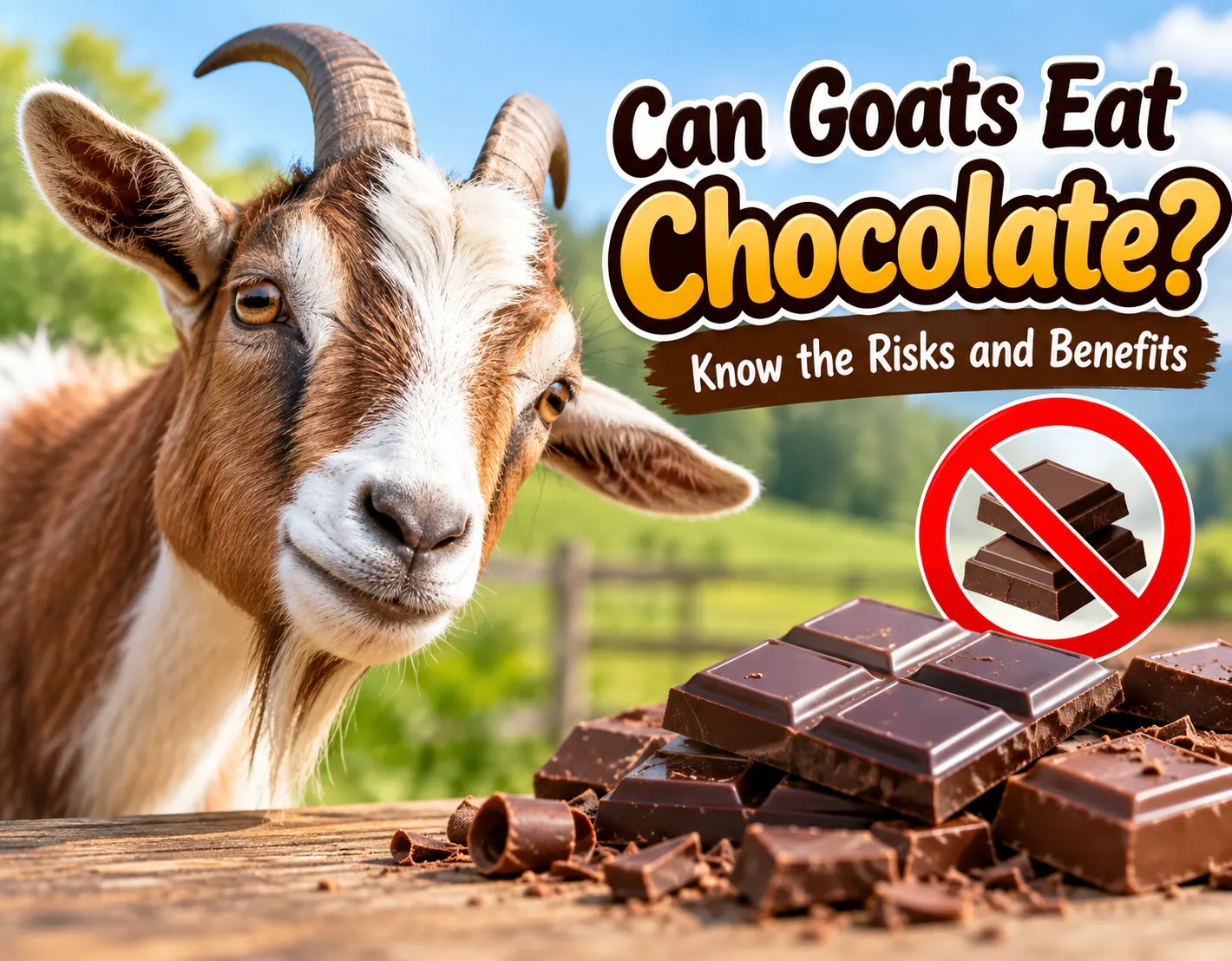
Goats are naturally curious animals, and that curiosity often means they will nibble on almost anything they can reach. While many fruits, vegetables, and plants can be suitable treats for goats, not every human food is safe for them. One common question goat owners ask is: Can goats eat chocolate?
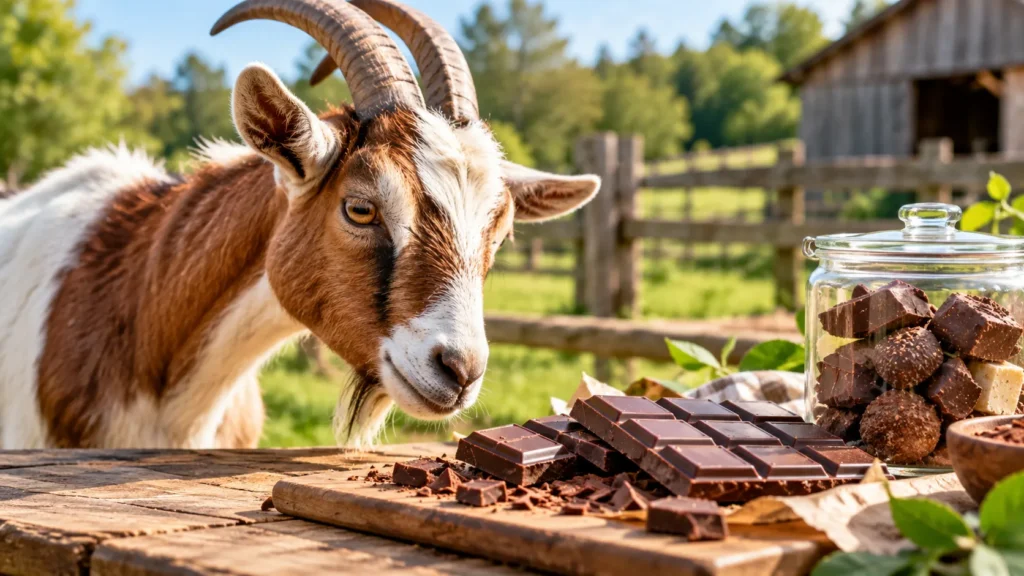
No, goats should not eat chocolate. Chocolate contains methylxanthines, including theobromine and caffeine, which can be harmful to animals. The risk depends on factors such as the type and amount of chocolate consumed and the size of the goat. Dark chocolate and baking chocolate generally contain more theobromine than milk chocolate.
If your goat has eaten chocolate, don’t assume that a small amount is automatically harmless. Remove the remaining chocolate, determine approximately how much was eaten, and contact a veterinarian for advice, especially if the amount or type of chocolate is unknown.
Can Goats Eat Chocolate?
Goats should not be intentionally fed chocolate. Although goats are able to eat a surprisingly wide range of plant foods, chocolate is not an appropriate treat for them.
The main concern is theobromine, a naturally occurring compound found in cacao. Chocolate also contains caffeine, which can contribute to unwanted effects. These compounds can affect the nervous system, heart, and digestive system when consumed in sufficient amounts.
Possible signs of chocolate toxicity can include restlessness, digestive upset, increased heart rate, tremors, abnormal behavior, seizures, and, in severe cases, life-threatening complications. The severity depends on the amount consumed, the chocolate’s cacao content, and the goat’s size and overall condition.
For that reason, there is no good reason to offer chocolate as a goat treat. Instead, stick with appropriate forage, hay, and carefully selected fruits or vegetables.
Why Is Chocolate Bad for Goats?
The biggest concern with chocolate is its concentration of theobromine and caffeine. These substances belong to a group of compounds called methylxanthines. Animals can be more sensitive to these compounds than people, and chocolate toxicity is a recognized concern in several animal species.
Not all chocolate has the same risk. Generally, products containing more cocoa solids contain more theobromine. Unsweetened baking chocolate and dark chocolate can therefore be more concerning than milk chocolate when a similar quantity is consumed.
This doesn’t mean that milk chocolate is a safe treat for goats. It simply means that the potential risk can vary depending on the product and amount eaten.
Understanding a Healthy Goat Diet
Understanding what goats normally eat makes it easier to see why chocolate doesn’t belong in their diet. Goats are ruminants with a specialized digestive system designed to process fibrous plant material.
For many goats, good-quality forage and hay form the foundation of the diet. Depending on their age, breed, reproductive status, activity level, and health, goats may also need carefully selected supplemental feeds and minerals.
Goats need appropriate amounts of fiber, energy, protein, vitamins, and minerals. Sudden dietary changes or excessive amounts of rich, sugary, or starchy foods can upset their digestive system.
That’s why treats should remain a small part of a goat’s overall diet. A goat doesn’t need sweets or processed human snacks to have a healthy, balanced diet.
What Happens If a Goat Eats Chocolate?
If a goat eats chocolate, the outcome can vary considerably. A tiny accidental exposure may not cause the same reaction as consuming a large amount of high-cocoa chocolate, but it is still important to take the situation seriously.
Possible Early Signs
Depending on the amount consumed, possible signs may include digestive upset, restlessness, increased activity, an elevated heart rate, or unusual behavior. Some signs may develop after a period of time rather than appearing immediately.
More Serious Signs
More serious exposure can potentially lead to muscle tremors, abnormal heart rhythms, seizures, weakness, or other severe complications. Severe toxicity can be life-threatening.
Because the risk depends on the type and amount of chocolate and the goat’s size, it is not possible to determine whether an exposure is safe based only on the word “chocolate.” If your goat has eaten chocolate, veterinary advice is the safest approach.
Which Types of Chocolate Are Most Concerning?
The amount of theobromine varies between chocolate products. In general, chocolate with a higher percentage of cocoa solids contains more theobromine.
- Cocoa powder: Highly concentrated and should be kept away from goats.
- Unsweetened baking chocolate: Contains a high concentration of cocoa compounds.
- Dark chocolate: Generally contains more theobromine than milk chocolate.
- Milk chocolate: Contains less theobromine than darker varieties but is still not an appropriate goat treat.
- Chocolate-containing foods: Cakes, cookies, candies, and desserts may contain chocolate along with other ingredients that are unsuitable for goats.
White chocolate contains very little cocoa solids compared with dark or baking chocolate, but it is still not a suitable food to deliberately give a goat because it is high in sugar and fat.
Safe Treats for Goats
Fortunately, there are plenty of better options if you want to give your goats an occasional treat. The key is moderation. Treats should complement a goat’s normal diet rather than replace its forage.
Fruits
Small portions of suitable fruits can be offered as occasional treats. Apples, bananas, pears, watermelon, and some berries are examples of fruits that goats may enjoy. Remove potentially problematic parts such as apple seeds and large pits or stones, and cut larger pieces into manageable sizes.
Vegetables
Vegetables can also provide variety. Carrots, pumpkin, squash, and sweet potato can be offered in appropriate portions. Introduce unfamiliar foods gradually and watch for digestive upset.
Hay and Forage
Good-quality hay and suitable forage are much more important to a goat’s diet than sugary treats. Depending on the goat and its nutritional needs, forage may include grasses, browse, and appropriate hay varieties.
Grains and Seeds
Some goats can receive grains or seeds as part of a properly balanced feeding program, but these foods should not be treated like unlimited snacks. Too much grain can contribute to digestive problems and other nutritional issues. If you are unsure how much supplemental feed your goat needs, ask a veterinarian or qualified livestock nutrition professional.
Foods to Keep Away From Goats
Chocolate isn’t the only food that requires caution around goats. Owners should also prevent goats from accessing spoiled or moldy feed and unknown plants or household foods that may be toxic.
Because goats are natural browsers and curious animals, simply assuming that they will avoid dangerous foods is not a reliable safety strategy. Keep potentially harmful foods secured and supervise goats when they have access to unfamiliar areas.
How to Prevent Accidental Chocolate Ingestion
Prevention is much easier than dealing with a possible poisoning incident. Goats are excellent opportunistic eaters, so keeping chocolate away from them is an important part of responsible animal care.
- Store chocolate securely: Keep chocolate, cocoa powder, baking ingredients, and chocolate desserts in closed containers or areas goats cannot access.
- Educate visitors: Tell children, guests, farm workers, and anyone else who feeds your goats that chocolate should not be given to them.
- Dispose of food safely: Don’t leave chocolate wrappers, candy, desserts, or food waste where goats can reach them.
- Check outdoor areas: Inspect barns, sheds, picnic areas, and pastures for discarded food or packaging.
- Keep feed areas organized: Store animal feed separately from household snacks and human foods.
These simple precautions can greatly reduce the chance of an accidental exposure.
What to Do If Your Goat Eats Chocolate
If you discover that your goat has eaten chocolate, stay calm but take the situation seriously. The amount and type of chocolate matter, so gathering accurate information can help your veterinarian assess the risk.
- Remove the remaining chocolate: Prevent the goat from eating any more of the product.
- Identify the chocolate: If possible, keep the packaging so you can tell your veterinarian what type of chocolate was eaten.
- Estimate the amount: Try to determine how much chocolate may have been consumed and when it happened.
- Contact a veterinarian: Explain the goat’s approximate size, the type and amount of chocolate, and when the exposure occurred.
- Monitor the goat: Watch for unusual behavior, digestive problems, restlessness, tremors, weakness, or other concerning signs while following your veterinarian’s instructions.
Do not try to make your goat vomit or give medications or activated charcoal unless a veterinarian specifically tells you to do so. Treatment decisions should be based on the individual animal and the circumstances of the exposure.
If your goat is showing severe symptoms, treat the situation as an emergency and contact a veterinarian immediately.
Can Goats Eat Chocolate? Final Answer
So, can goats eat chocolate? No. Chocolate is not a safe or appropriate treat for goats because it contains theobromine and caffeine, which can cause toxicity depending on the amount consumed and the concentration of these compounds.
Instead of sharing chocolate with your goats, choose suitable treats such as small portions of appropriate fruits or vegetables and continue to prioritize good-quality forage and a balanced diet. If your goat accidentally eats chocolate, contact your veterinarian for advice rather than waiting for symptoms to appear.
Frequently Asked Questions About Goats and Chocolate
Can goats eat chocolate?
No. Goats should not be intentionally fed chocolate. Chocolate contains theobromine and caffeine, which can be harmful to animals. If a goat accidentally consumes chocolate, contact a veterinarian for advice.
What happens if a goat eats chocolate?
A goat that consumes chocolate may develop digestive upset, restlessness, an increased heart rate, tremors, or other neurological and cardiovascular signs. The risk depends on the goat’s size, the type of chocolate, and the amount eaten.
Is dark chocolate dangerous for goats?
Yes. Dark chocolate generally contains more cocoa solids and therefore more theobromine than milk chocolate. It should be kept away from goats.
Can goats eat milk chocolate?
Milk chocolate should also not be given to goats. Although it generally contains less theobromine than dark chocolate, it is still an unnecessary source of potentially harmful methylxanthines, sugar, and fat.
Can goats eat white chocolate?
White chocolate contains much less cocoa-derived theobromine than dark chocolate, but it is still not a recommended treat for goats. Its high sugar and fat content provides no nutritional benefit for them.
What fruits can goats eat?
Goats can enjoy small portions of suitable fruits such as apples, bananas, pears, watermelon, and some berries. Fruits should be offered as occasional treats rather than a major part of the diet, and potentially hazardous seeds, pits, or large pieces should be removed.
What foods should goats not eat?
Goats should not be given chocolate, and owners should also keep them away from unknown toxic plants, spoiled or moldy feed, and inappropriate household foods. When you are unsure about a particular food, check with a veterinarian or livestock nutrition professional before feeding it.
Can goats eat marshmallows?
Marshmallows are not a suitable treat for goats. They are primarily made from sugar and provide little nutritional value. It is better to choose appropriate fruits, vegetables, or other treats designed for goats.
Can pigs eat chocolate?
Chocolate should not be deliberately fed to pigs either. Chocolate contains theobromine and caffeine, and the potential effects depend on the amount and type consumed. If a pig accidentally eats chocolate, contact a veterinarian for appropriate advice.
What animals should not eat chocolate?
Chocolate can be toxic to a range of animals, including dogs and cats, and it should not be assumed to be safe for livestock or other pets. The risk varies between species and depends on the amount and type of chocolate consumed.
Should I make my goat vomit after it eats chocolate?
No. Do not attempt to induce vomiting unless a veterinarian specifically instructs you to do so. Contact a veterinarian as soon as possible and provide information about the type and amount of chocolate consumed.
Frequently Asked Questions: Quick Answers
- Can goats eat chocolate? No, chocolate should not be fed to goats.
- Why is chocolate dangerous? It contains theobromine and caffeine, which can be harmful to animals.
- Is dark chocolate worse? Generally, yes, because darker chocolate usually contains more cocoa and theobromine.
- What should goats eat instead? Good-quality forage and hay should form the foundation of their diet, with appropriate supplemental foods when needed.
- What should I do after accidental ingestion? Remove the remaining chocolate and contact a veterinarian for advice.
This article is for general educational purposes and should not replace advice from a qualified veterinarian. If you believe your goat has consumed a potentially toxic amount of chocolate, seek professional veterinary guidance promptly.