

Goldfish are one of the most popular freshwater fish kept as pets. They are known for their vibrant colors, playful nature, and easy maintenance. However, as with any pet, it is important to provide them with a healthy and balanced diet. One common question among goldfish owners is whether or not their fish can eat bloodworms.

Bloodworms are a type of aquatic worm that are commonly used as a food source for fish. They are high in protein and other nutrients that are beneficial for fish health. However, not all fish can eat bloodworms, and it is important to know if they are safe for goldfish.
In this article, we will explore the topic of whether or not goldfish can eat bloodworms. We will provide information on the nutritional needs of goldfish, the benefits and risks of feeding them bloodworms, and alternative food options for goldfish. By the end of this article, you will have a better understanding of how to provide your goldfish with a healthy and balanced diet.
Understanding Goldfish Diet
When it comes to feeding your goldfish, it’s important to understand their dietary needs. Goldfish are omnivores, which means they eat both plant and animal matter. In the wild, they eat a variety of foods including insects, crustaceans, algae, and plant matter.
In captivity, it’s important to provide a balanced diet that includes both protein and plant matter. A diet that is too high in protein can lead to health problems such as swim bladder disease, while a diet that is too low in protein can stunt growth and lead to other health issues.
Goldfish pellets are a popular choice for feeding goldfish, as they provide a balanced diet and are easy to digest. However, it’s important to supplement their diet with other foods such as vegetables and live or frozen foods.
When it comes to live or frozen foods, bloodworms are a popular choice. They are high in protein and are a good source of vitamins and minerals. However, it’s important to feed bloodworms in moderation as they can be high in fat. It’s recommended to feed bloodworms as a treat, rather than a staple food.
Overall, a balanced diet is key to keeping your goldfish healthy and happy. By understanding their dietary needs and providing a variety of foods, you can ensure that your goldfish thrive.
The Role of Bloodworms in a Goldfish’s Diet
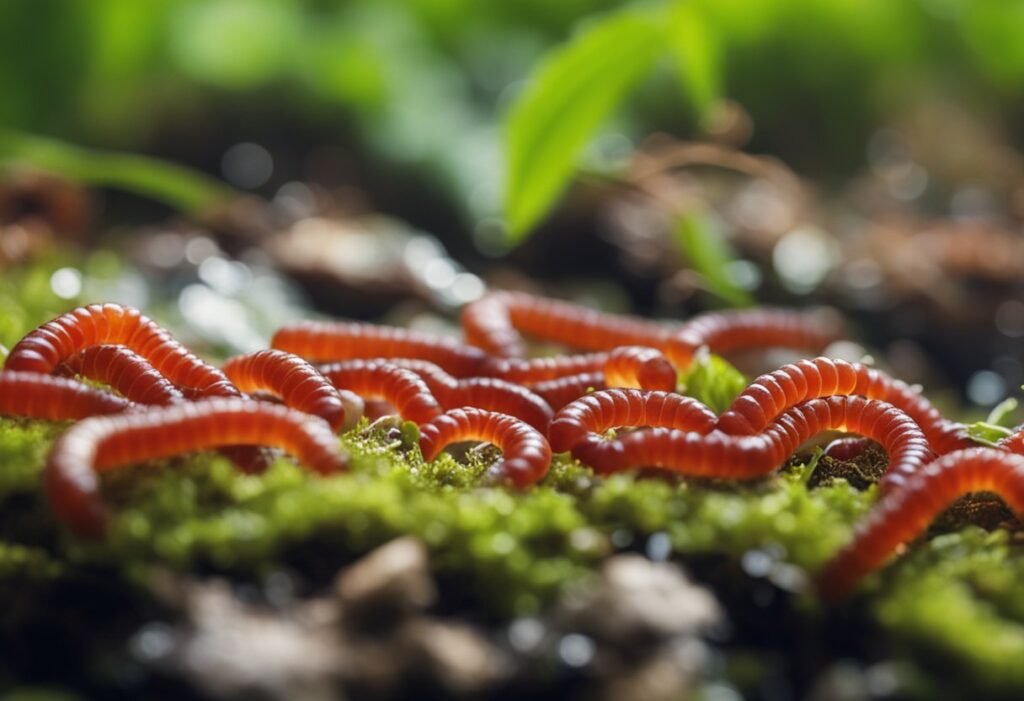
Bloodworms are a popular food choice for many aquarium fish, including goldfish. These small, red worms are the larvae of the chironomid midge and are commonly sold as a frozen or freeze-dried food for fish.
In a goldfish’s diet, bloodworms can serve as a valuable source of protein and essential nutrients. They contain high levels of protein, which is important for growth and maintenance of muscle tissue. Additionally, bloodworms are rich in vitamins and minerals, such as iron and calcium, which are necessary for overall health and well-being.
However, it is important to note that bloodworms should not be the sole source of nutrition for goldfish. While they can provide valuable nutrients, a balanced diet should also include a variety of other foods, such as pellets, flakes, and fresh vegetables.
Overfeeding bloodworms can also lead to health issues in goldfish, such as constipation and bloating. It is recommended to feed bloodworms as a treat or supplement to a balanced diet, rather than a primary food source.
In summary, bloodworms can play a beneficial role in a goldfish’s diet as a source of protein and essential nutrients. However, they should be fed in moderation and as part of a balanced diet to ensure optimal health and nutrition for your goldfish.
Proper Feeding Techniques
Feeding your goldfish is an important part of keeping them healthy and happy. When it comes to feeding your goldfish bloodworms, it is important to do so in the right way to ensure they are getting the nutrients they need without causing any harm.
Here are some proper feeding techniques for feeding your goldfish bloodworms:
- Feed in moderation: Goldfish should be fed bloodworms as part of a balanced diet, not as their only food source. Overfeeding can lead to health problems like constipation and swim bladder issues.
- Use frozen or freeze-dried bloodworms: Fresh bloodworms can carry parasites and bacteria that can be harmful to your goldfish. Frozen or freeze-dried bloodworms are a safer option.
- Thaw before feeding: If using frozen bloodworms, be sure to thaw them completely before feeding. This will make them easier for your goldfish to digest.
- Feed at the right time: Goldfish are most active and hungry in the morning and evening. Feed them small amounts of bloodworms during these times.
- Remove uneaten food: Any uneaten bloodworms should be removed from the tank after 5-10 minutes to prevent them from decomposing and polluting the water.
By following these proper feeding techniques, you can ensure that your goldfish are getting the nutrition they need without any negative side effects.
Potential Risks of Bloodworms
While bloodworms are a nutritious food source for goldfish, there are a few potential risks associated with feeding them to your fish. Here are some things to keep in mind:
- Allergic Reactions: Some fish may be allergic to bloodworms, which can cause an allergic reaction. Symptoms can include difficulty breathing, swelling, and skin irritation. If you notice any of these symptoms in your fish after feeding them bloodworms, stop feeding them immediately and consult with a veterinarian.
- Contamination: Bloodworms are often harvested from polluted waters, which can lead to contamination with harmful substances such as heavy metals, pesticides, and bacteria. It’s important to only purchase bloodworms from reputable sources that can guarantee their quality and safety.
- Overfeeding: While bloodworms are a great source of protein and other nutrients, they should not be the only food that your goldfish eats. Overfeeding your fish with bloodworms can lead to digestive problems and other health issues. It’s important to maintain a balanced diet that includes a variety of foods.
Overall, bloodworms are a safe and nutritious food source for goldfish when fed in moderation and purchased from reputable sources. However, it’s important to be aware of the potential risks associated with feeding them to your fish and to take steps to minimize these risks.
Alternatives to Bloodworms
If you’re looking for some alternatives to feeding your goldfish bloodworms, there are a few options to consider. Here are some of the most popular alternatives:
Brine Shrimp
Brine shrimp are a great alternative to bloodworms. They are high in protein and are a good source of vitamins and minerals. They are also easy to digest, making them a great food for goldfish.
Daphnia
Daphnia are another great alternative to bloodworms. They are small, freshwater crustaceans that are high in protein and other nutrients. They are also easy to digest, making them a great food for goldfish.
Vegetables
Vegetables are a great way to add some variety to your goldfish’s diet. Some good options include peas, spinach, and lettuce. These vegetables are high in vitamins and minerals and are easy to digest.
Pellets
Pellets are a great option for goldfish owners who want to provide a balanced diet for their fish. There are many different types of pellets available, so it’s important to choose one that is specifically formulated for goldfish.
Flakes
Flakes are another option for goldfish owners who want to provide a balanced diet for their fish. They are easy to digest and are available in a variety of different formulas.
Overall, there are many different alternatives to bloodworms that you can feed your goldfish. It’s important to choose a variety of different foods to provide a balanced diet for your fish.
Conclusion
In conclusion, goldfish can eat bloodworms as part of their diet. Bloodworms are a good source of protein and essential nutrients that can help keep goldfish healthy and happy.
However, it is important to note that bloodworms should not be the only food in a goldfish’s diet. Goldfish require a varied diet that includes a mix of pellets, vegetables, and other protein sources.
Additionally, it is important to feed goldfish the appropriate amount of food. Overfeeding can lead to health problems such as swim bladder issues and obesity.
Overall, feeding bloodworms to goldfish can be a healthy and tasty addition to their diet, but it should be done in moderation and as part of a balanced diet.
Frequently Asked Questions
What should I feed my goldfish?
Goldfish are omnivores, which means they can eat both plant and animal-based foods. Some good options for feeding your goldfish include pellets, flakes, vegetables, and live or frozen foods like bloodworms.
What can goldfish eat besides bloodworms?
Goldfish can eat a variety of foods besides bloodworms, including brine shrimp, daphnia, krill, and vegetables like peas and lettuce. It’s important to provide a balanced diet that includes both plant and animal-based foods.
What is the best food for goldfish?
The best food for goldfish is a balanced diet that includes both plant and animal-based foods. Pellets and flakes are good options for providing essential nutrients, while live or frozen foods like bloodworms and brine shrimp can be given as occasional treats.
Can goldfish eat dried bloodworms?
Yes, goldfish can eat dried bloodworms. However, it’s important to soak them in water before feeding to prevent them from expanding in the fish’s stomach and causing digestive issues.
How much bloodworms should I feed my goldfish?
It’s recommended to feed your goldfish a varied diet, so bloodworms should only be given as an occasional treat. A good rule of thumb is to feed no more than what your goldfish can consume in 2-3 minutes, and to avoid overfeeding to prevent health issues.
Why is my goldfish not eating bloodworms?
There could be several reasons why your goldfish is not eating bloodworms, including stress, illness, or simply a lack of interest in the food. It’s important to monitor your goldfish’s behavior and consult with a veterinarian if you notice any concerning symptoms.