
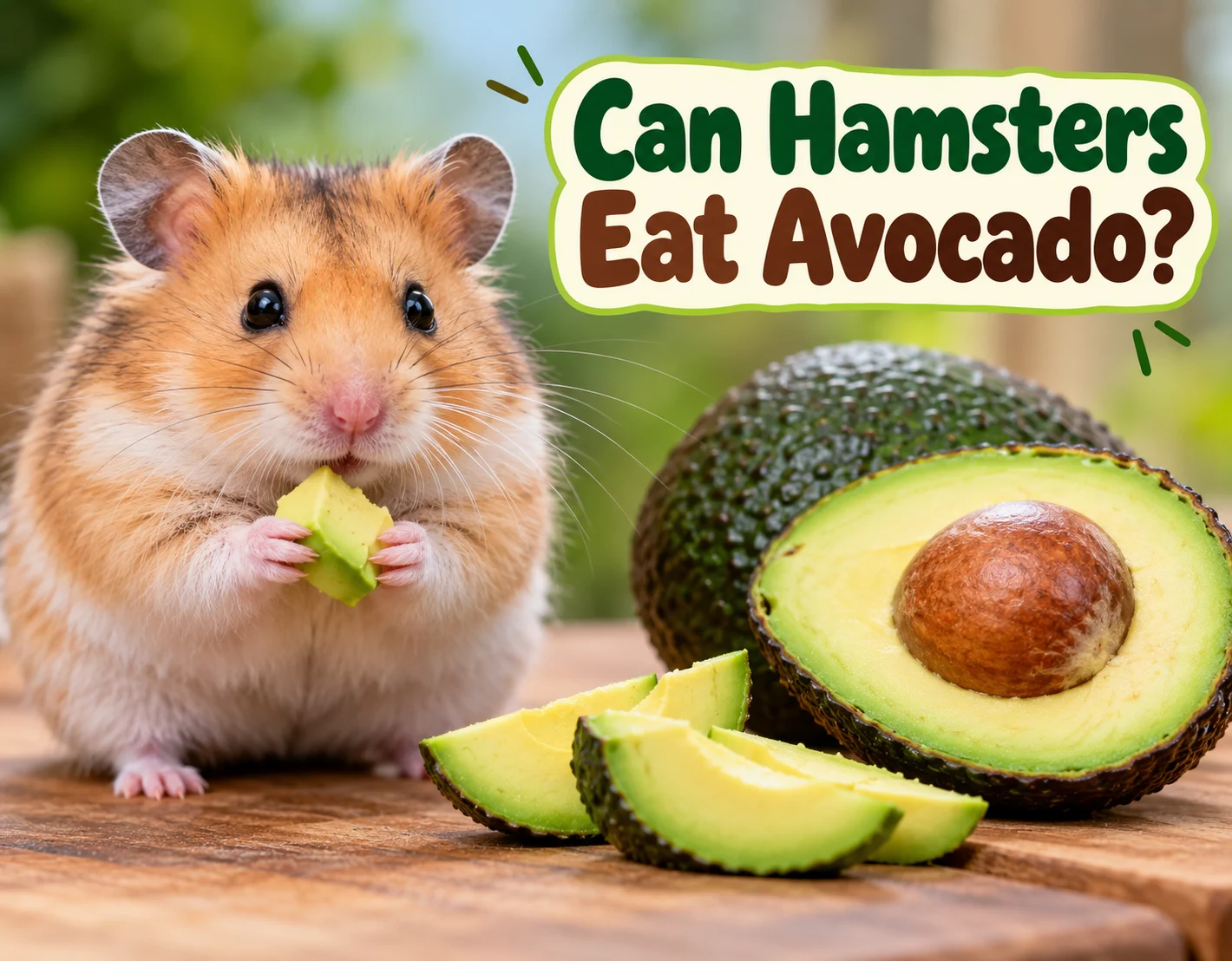
Avocado is a nutritious and popular fruit for people, but that does not mean it is suitable for every pet. If you have a hamster, you may be wondering, can hamsters eat avocado? The safest answer is no. Avocado is best left out of your hamster’s diet because there are safer foods that can provide appropriate nutrition without the same concerns.
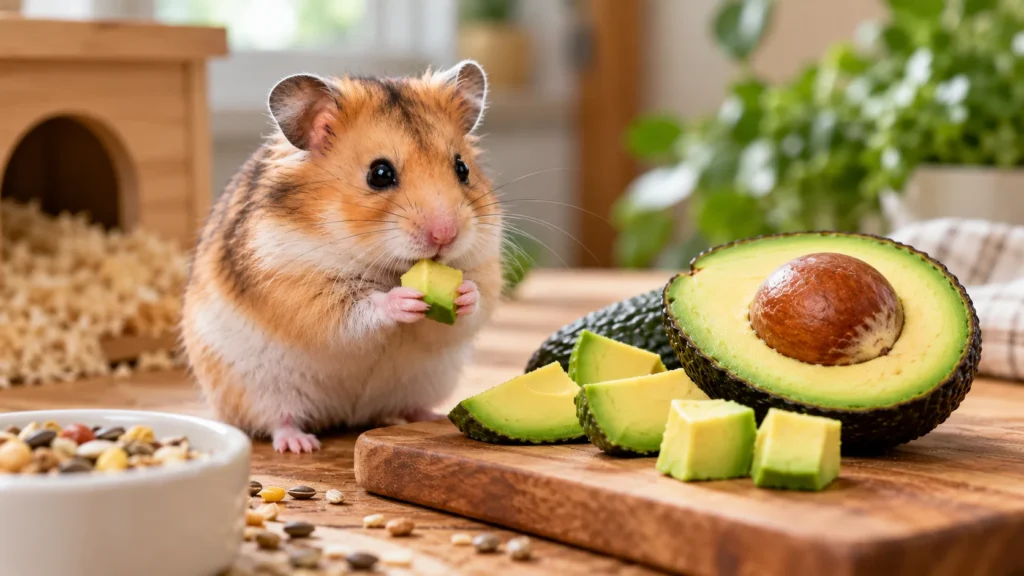
Hamsters have small digestive systems and specific nutritional needs. Their main diet should come from a nutritionally balanced hamster food, with fresh vegetables and other suitable foods offered only in appropriate amounts. Fresh foods should be treated as additions rather than replacements for their normal diet.
Can Hamsters Eat Avocado?
Avocado is a fruit that contains healthy fats, fiber, vitamins, and minerals. It can be a nutritious food for people, but it is not a good choice for hamsters. Current small-pet feeding guidance lists avocado among the foods to avoid, so there is no good reason to add it to a hamster’s diet when safer alternatives are available.
One concern is that avocado contains persin, a natural compound that can be harmful to certain animals. The skin, pit, and other parts of the avocado contain higher concentrations of persin. The pit also creates a physical choking or obstruction risk. Because hamster-specific evidence about a safe amount of avocado is limited, avoiding the fruit altogether is the more cautious approach.
Avocado is also relatively high in fat and calories. Hamsters can gain excess weight when their diet contains too many fatty or sugary foods. Reputable hamster-care organizations recommend keeping fatty treats limited and choosing healthier fresh foods in very small portions.
So, can hamsters eat avocado? It is best not to feed it to them. Instead, choose hamster-safe vegetables, appropriate fruits, and suitable protein-rich treats as occasional additions to a complete hamster diet.
Hamster Dietary Basics
Nutritional Needs
Hamsters are omnivores, which means their natural diet includes both plant and animal-based foods. A healthy pet hamster needs a balanced diet that provides protein, carbohydrates, fats, vitamins, minerals, and other essential nutrients.
The foundation of the diet should be a good-quality commercial hamster food formulated to provide balanced nutrition. Fresh vegetables, fruits, grains, and suitable protein sources can be offered as small additions or treats.
Safe Foods for Hamsters
Hamsters can enjoy a range of fresh foods, but portion size matters. Fresh food should be offered in small amounts because too much can contribute to digestive problems, spoilage, or unwanted weight gain.
Some suitable options include:
- Fresh vegetables such as broccoli, cucumber, spinach, and small amounts of carrot
- Small pieces of suitable fruit such as apple without seeds, strawberries, or blueberries
- High-quality hamster food or a nutritionally balanced dry mix
- Small amounts of plain boiled egg
- Suitable protein sources such as mealworms
Hamsters should not be given foods such as chocolate, caffeine, alcohol, onions, garlic, citrus fruits, or other foods known to be unsafe for them. Avoid salty, sugary, heavily seasoned, or very fatty human foods as well.
Avocado and Hamsters
Avocado Nutritional Value
Avocado contains nutrients that can be valuable in a human diet, including fats, fiber, vitamins, and minerals. However, nutritional value for humans does not automatically make a food appropriate for hamsters.
Hamsters can obtain the nutrients they need from a properly formulated diet and appropriate fresh foods. There is therefore no nutritional need to give a hamster avocado, particularly when other vegetables and occasional treats are available.
Toxicity Concerns
Avocado contains persin, a naturally occurring compound that is associated with toxicity in some animal species. The amount can vary between different parts and varieties of avocado. While information about avocado toxicity specifically in hamsters is limited, small-pet guidance recommends avoiding avocado rather than trying to determine a supposedly safe serving size.
The avocado pit is another concern because it can become a choking hazard or cause an obstruction if swallowed. The skin and pit should therefore never be offered to a hamster.
Risks of Feeding Avocado to Hamsters
Persin Exposure
Persin is a natural compound found in avocado. Different parts of the fruit can contain different amounts, and the skin and pit contain more than the edible flesh. Because avocado is not necessary for a hamster’s diet and is listed among foods to avoid by small-pet welfare guidance, it is safest not to offer it.
Choking and Obstruction Hazards
The large avocado pit is unsuitable for a hamster and can present a serious physical hazard if the animal attempts to chew or swallow it. Even when the pit is removed, there is no nutritional reason to introduce avocado when safer foods are readily available.
High Fat Content
Avocado is naturally high in fat. Hamsters are small animals, so foods that are calorie-dense can add a significant amount of energy to their diet in a very small serving. Excess fatty treats can contribute to unhealthy weight gain. Hamster-care guidance specifically recommends avoiding fatty treats and keeping treats small.
For these reasons, avocado is not a worthwhile treat for hamsters. Choosing an established hamster-safe food is a simpler and safer option.
Healthier Alternatives to Avocado
If your hamster enjoys fresh foods, there are plenty of safer choices. The important thing is to offer small portions alongside a nutritionally complete hamster diet rather than using fresh produce as the main food.
Vegetables
Many vegetables can make suitable occasional additions to a hamster’s diet. Good choices include:
- Broccoli: A suitable fresh vegetable when offered in a small portion.
- Cucumber: A water-rich option that can be given in a small piece.
- Spinach: Can be offered occasionally in a small amount.
- Carrot: Suitable in small quantities because it contains more natural sugar than some other vegetables.
Fresh vegetables should be washed, cut into appropriately small pieces, and any uneaten fresh food should be removed before it spoils.
Fruits
Fruit can be offered as an occasional treat, but it should not become a major part of your hamster’s diet because fruit contains natural sugars.
- Apples: Give small pieces and remove the seeds.
- Blueberries: A small berry can be an occasional treat.
- Mango: If offered, keep the portion very small because it is a sweet fruit.
Hamster-care guidance recommends keeping fruit portions small and infrequent. Fruit seeds and pits should also be avoided.
Protein Sources
Hamsters are omnivores and need protein as part of a balanced diet. A quality hamster food should already provide much of the protein they need, but suitable protein-rich treats can occasionally be offered.
- Plain cooked chicken: Offer only a small amount, without seasoning, sauces, or bones.
- Mealworms: A suitable protein-rich treat when offered appropriately.
- Boiled egg: A small amount of plain cooked egg can be offered occasionally.
Woodgreen Pets Charity also recommends small amounts of boiled egg and mealworms as suitable hamster treats.
Feeding Guidelines for Hamsters
Portion Control
Portion size is especially important for hamsters because they are tiny animals and can gain excess weight from too many treats. A useful general guide is to keep fresh treats very small, with Woodgreen Pets Charity recommending portions around the size of the hamster’s ear for occasional treats.
The exact amount of their main food depends on the hamster’s species, size, age, and the particular food being used. Follow the feeding instructions on a quality hamster food and monitor your pet’s body condition.
Frequency of Feeding
Hamsters should have access to their normal food every day. Because they are primarily nocturnal, they are generally more active and interested in food during the evening and nighttime.
Fresh foods should be given in small quantities, and uneaten fresh produce should be removed regularly because hamsters naturally carry and store food. Spoiled fresh food can cause illness.
Diet Variation
A varied diet does not mean giving your hamster lots of different human foods. The goal is to provide a nutritionally complete main diet and use suitable fresh foods as occasional additions.
Hamsters can enjoy small amounts of appropriate vegetables, fruit, grains, and protein-rich treats. However, foods that are high in sugar, salt, fat, or strong seasonings should be avoided.
Recognizing Problems After Eating a New Food
Possible Symptoms
Not every reaction to a new food is an allergy. Digestive upset can occur after inappropriate foods or sudden dietary changes, while true food allergies are less commonly discussed in hamster-care guidance.
After introducing any new food, watch your hamster for changes such as:
- Diarrhea or unusually soft stools
- Loss of appetite
- Unusual tiredness or weakness
- Changes in normal behavior
- Breathing difficulties
Digestive problems and sudden changes in appetite should not be ignored in a hamster. If your pet appears seriously unwell, contact an exotic-pet veterinarian promptly.
What to Do If Your Hamster Eats Avocado
If your hamster accidentally eats a small amount of avocado, do not panic. Remove the remaining avocado and monitor your pet closely. Do not intentionally give more avocado to see what happens.
If your hamster ate the avocado pit, skin, a large quantity of avocado, or develops concerning symptoms such as breathing difficulty, severe weakness, diarrhea, or loss of appetite, contact a veterinarian for advice as soon as possible.
Because hamsters are small and can deteriorate quickly when seriously ill, professional veterinary advice is preferable to attempting home treatment.
Frequently Asked Questions
Can hamsters eat avocado?
No. Avocado is best avoided as part of a hamster’s diet. Small-pet feeding guidance lists avocado among foods to avoid, and there are plenty of safer fruits and vegetables that can be offered instead.
Is avocado toxic to hamsters?
Avocado contains persin, a natural compound associated with toxicity in some animals. Because hamster-specific safety information is limited and avocado is listed as a food to avoid for small pets, it is safest not to feed avocado to hamsters.
Can hamsters eat avocado flesh?
It is best not to offer avocado flesh to hamsters. Although some other pets may tolerate small amounts of avocado flesh, hamster-specific guidance recommends avoiding avocado, so there is no reason to take the risk.
Can hamsters eat avocado skin?
No. Avocado skin should not be given to hamsters. The skin contains higher levels of persin than the flesh and is not an appropriate food for a pet hamster.
Can hamsters eat an avocado pit?
No. An avocado pit is not suitable for hamsters and can present a serious choking or obstruction hazard. Never give an avocado pit to a hamster.
What should I do if my hamster ate avocado?
Remove the remaining avocado and observe your hamster. If your hamster consumed the pit or a significant amount of avocado, or develops symptoms such as diarrhea, weakness, breathing difficulties, or loss of appetite, contact an exotic-pet veterinarian promptly.
What fruits are safe for hamsters?
Some fruits that can be offered as occasional treats include small pieces of apple without seeds, strawberries, blueberries, pears, and bananas. Fruit should be given in very small amounts because it contains natural sugars.
What vegetables can hamsters eat?
Suitable vegetables can include broccoli, cucumber, spinach, green beans, kale, peas, and small amounts of carrot. Fresh vegetables should be washed, cut into small pieces, and offered in moderation.
How often can hamsters have fresh treats?
Fresh treats should remain a small part of the overall diet. Woodgreen Pets Charity recommends portions around the size of a hamster’s ear a few times a week, while specific fruit portions should remain particularly small.
What foods should hamsters avoid?
Foods to avoid include avocado, chocolate, caffeine, alcohol, onions, garlic, citrus fruits, raw or green potatoes, and foods that are very salty, sugary, fatty, or heavily seasoned. Apple seeds and fruit pits should also be avoided.
What is a healthy diet for a hamster?
A healthy hamster diet should be based on a nutritionally complete, good-quality hamster food. Small amounts of appropriate vegetables, fruits, grains, and protein-rich treats can be added for variety. Fresh, clean water should always be available.
When in doubt about a particular food, especially if your hamster has a health condition or has already eaten something potentially harmful, speak with a veterinarian who treats exotic pets.