

Leopard geckos are a popular pet reptile species due to their docile nature, unique appearance, and relatively easy care requirements. As with any pet, it’s important to provide them with a balanced diet that meets their nutritional needs. While commercial gecko food and live insects are typically recommended, some pet owners may wonder if their leopard gecko can eat ants.
Ants are a common insect found in many parts of the world, and they can be a convenient and inexpensive food source for pet owners. However, it’s important to consider whether ants are a suitable food for leopard geckos. In this article, we’ll explore whether leopard geckos can eat ants, the nutritional value of ants, and any potential risks or concerns associated with feeding ants to leopard geckos.
Dietary Habits of Leopard Geckos

Leopard geckos are insectivores and consume a variety of insects in the wild. In captivity, they are usually fed a diet of crickets, mealworms, and waxworms. However, leopard geckos can also eat other insects, including ants.
Ants are a good source of protein and can be a nutritious addition to a leopard gecko’s diet. However, it is important to ensure that the ants are free of pesticides and other harmful chemicals. Additionally, it is important to feed ants in moderation as they can be difficult to digest and may cause digestive issues if consumed in large quantities.
Leopard geckos are also known to eat their shed skin, which provides them with additional nutrients. It is important to ensure that their enclosure has a humid hide to aid in shedding and to prevent any issues with retained shed.
Overall, a varied diet is important for leopard geckos to ensure they receive all the necessary nutrients. Consult with a veterinarian or experienced reptile keeper for advice on feeding and nutrition.
Potential Risks of Feeding Ants to Leopard Geckos
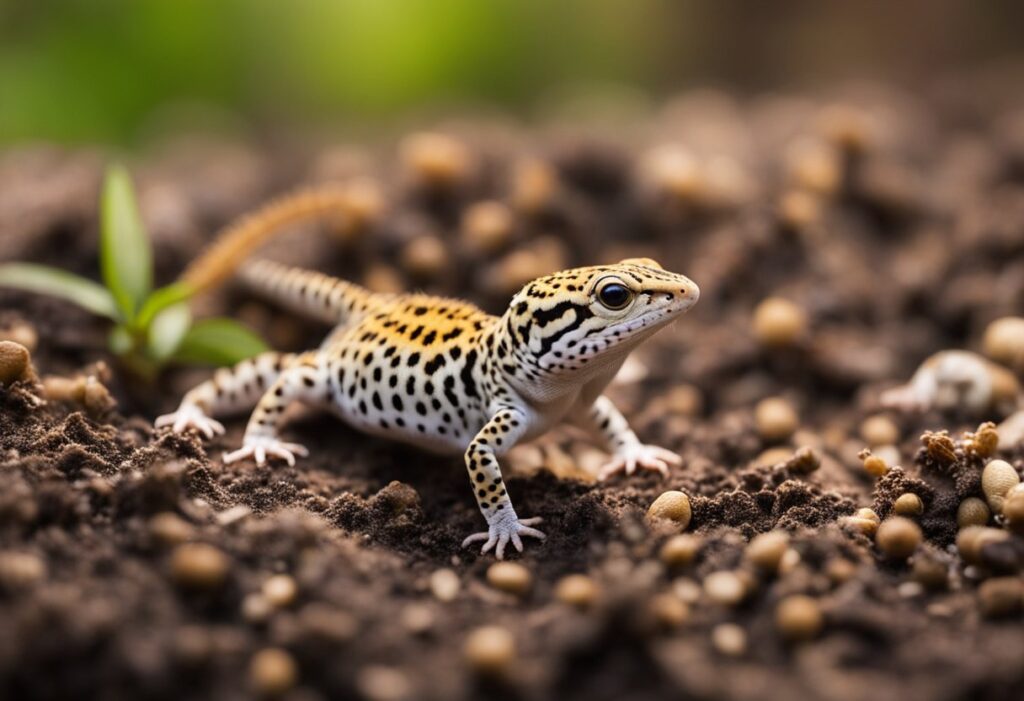
When it comes to feeding leopard geckos, it is essential to ensure that their diet is balanced and safe. While ants may seem like a harmless addition to their diet, there are several potential risks associated with feeding them to leopard geckos.
Choking Hazards
Ants are small and can easily be swallowed whole by leopard geckos. However, if they are not chewed properly, they can pose a choking hazard. This is especially true for baby leopard geckos who may not have developed their chewing abilities yet.
Digestive Issues
Ants have a hard exoskeleton that can be difficult for leopard geckos to digest. Consuming too many ants can cause digestive issues such as constipation or impaction. Additionally, ants contain formic acid, which can irritate the digestive tract and cause discomfort.
Nutritional Imbalance
While ants are a source of protein, they do not provide a complete and balanced diet for leopard geckos. Feeding them too many ants can result in a nutritional imbalance, leading to health problems in the long run.
Pesticides and Toxins
Ants are known to be carriers of pesticides and other toxins. Feeding ants that have been exposed to these chemicals can be harmful to leopard geckos, leading to poisoning and other health issues.
In conclusion, while ants may seem like a harmless addition to a leopard gecko’s diet, they pose several potential risks. It is essential to ensure that their diet is balanced and safe, and to avoid feeding them foods that may cause harm.
Nutritional Value of Ants for Leopard Geckos
Ants are a common prey item for leopard geckos, and they can provide some nutritional benefits to our pets. While ants are not a staple food for leopard geckos, they can make up a small portion of their diet.
Ants are a good source of protein and fat, which are essential macronutrients for leopard geckos. They also contain some vitamins and minerals, such as calcium, iron, and vitamin C. However, the nutritional value of ants can vary depending on the species and the size of the ants.
It is important to note that ants should not be the only prey item in a leopard gecko’s diet. They should be fed as part of a varied diet that includes other insects, such as crickets, mealworms, and waxworms. It is also essential to provide a calcium supplement to ensure that leopard geckos receive enough calcium for healthy bone growth.
In summary, while ants can provide some nutritional benefits to leopard geckos, they should not be the only prey item in their diet. A varied diet that includes other insects and a calcium supplement is essential for the health and well-being of our pets.
Safe Feeding Practices for Leopard Geckos
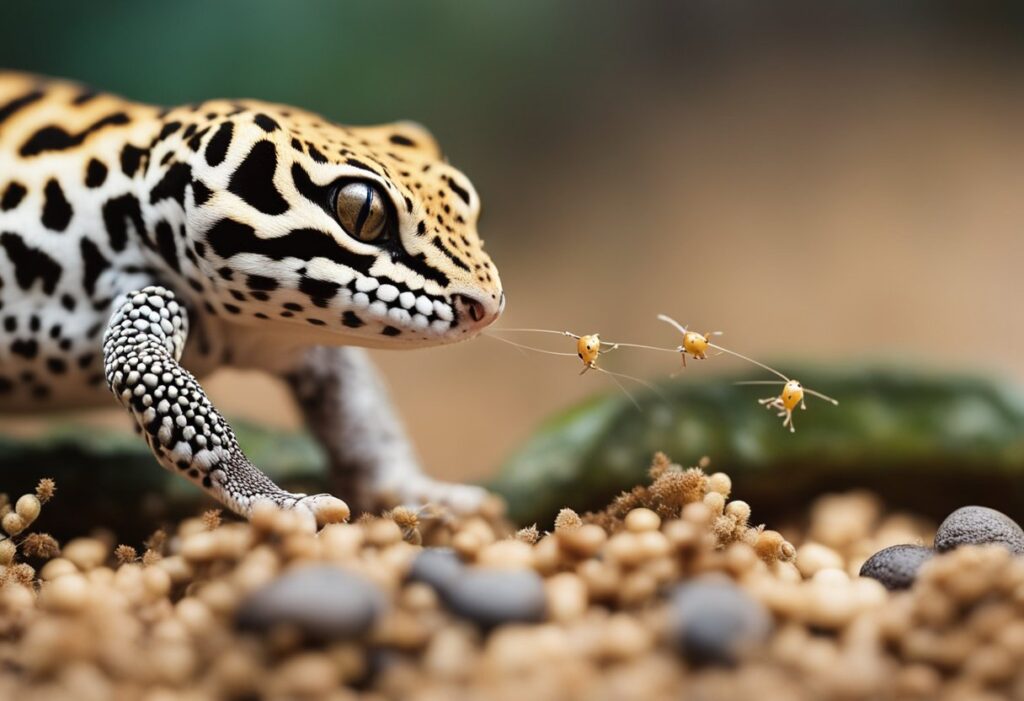
When it comes to feeding leopard geckos, it’s important to follow safe feeding practices to ensure their health and well-being. Here are a few guidelines to keep in mind:
Feeding Frequency
Leopard geckos should be fed every other day, or three times a week. Overfeeding can lead to obesity and other health problems, so it’s important to stick to a regular feeding schedule.
Portion Control
When feeding your leopard gecko, it’s important to provide the right amount of food. A good rule of thumb is to offer food that is roughly the size of your gecko’s head. Overfeeding can lead to digestive issues and other health problems.
Alternative Foods
While leopard geckos primarily eat insects, it’s important to offer a variety of foods to ensure they are getting all the necessary nutrients. Some safe alternative foods include:
- Mealworms
- Crickets
- Dubia roaches
- Waxworms (in moderation)
- Superworms (in moderation)
It’s important to avoid feeding your leopard gecko wild-caught insects, as they may carry parasites or other harmful substances. Always purchase insects from a reputable source and gut-load them with nutritious food before feeding them to your gecko.
By following these safe feeding practices, you can help ensure your leopard gecko stays healthy and happy.
Understanding Leopard Gecko Hunting Behavior
Leopard geckos are known for their hunting behavior, which is essential for their survival in the wild. As a species that primarily feeds on insects, they have developed a unique set of skills to capture their prey. Understanding their hunting behavior can help us provide them with a suitable diet in captivity.
Leopard geckos are nocturnal hunters and rely on their sense of smell and hearing to locate their prey. They use their tongue to pick up scent particles in the air and track their prey. Once they locate their prey, they use their quick reflexes to capture it.
Leopard geckos are opportunistic feeders and will eat a variety of insects, including crickets, mealworms, waxworms, and roaches. However, they have not been observed eating ants in the wild. Ants are small and move quickly, which makes them difficult for leopard geckos to catch.
It is important to provide leopard geckos with a balanced diet that includes a variety of insects. Feeding them a diet that is too high in one type of insect can lead to nutritional deficiencies. In addition, it is essential to provide them with a calcium supplement to prevent metabolic bone disease.
In summary, leopard geckos are skilled hunters that rely on their sense of smell and hearing to locate their prey. While they do not typically eat ants in the wild, they require a balanced diet that includes a variety of insects to thrive in captivity.
Preparing Ants for Consumption
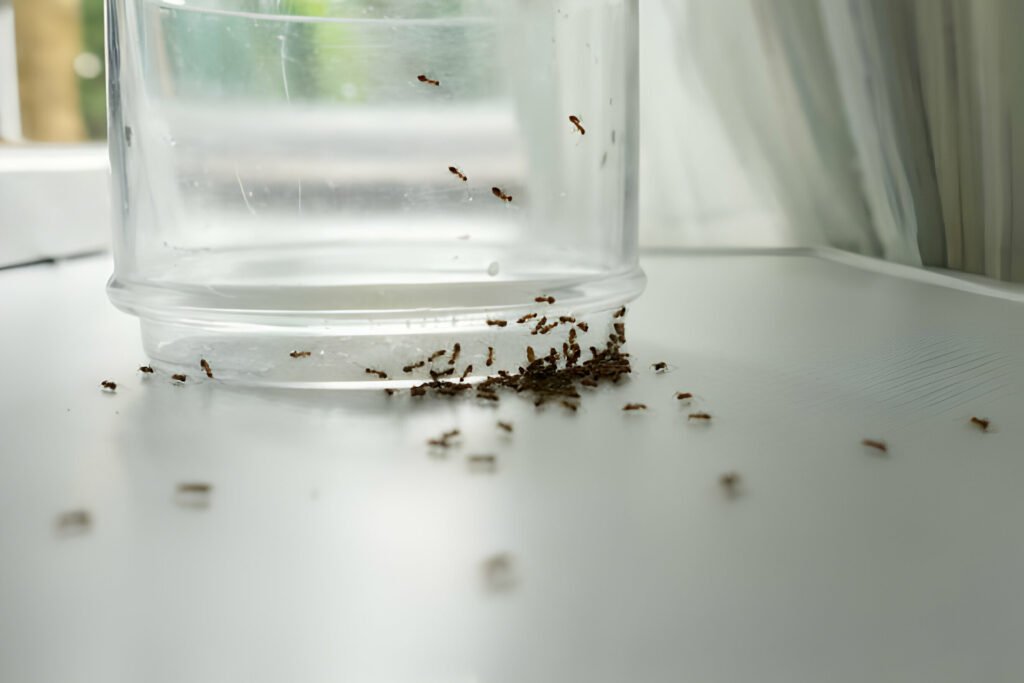
When it comes to feeding leopard geckos, ants can be a great addition to their diet. However, it’s important to prepare them properly to ensure that they are safe for consumption.
Firstly, it’s important to avoid feeding your leopard gecko any ants that have come into contact with pesticides or other harmful chemicals. This means that it’s best to avoid ants that you find in your garden or around your home, as you can’t be sure what they have been exposed to.
Instead, you can purchase live ants from a reputable supplier. Before feeding them to your leopard gecko, it’s important to ensure that they are clean and free from any dirt or debris. You can do this by placing them in a container with a damp paper towel for a few minutes, which will encourage them to clean themselves.
Once the ants are clean, you can offer them to your leopard gecko. It’s important to remember that ants are small and can be difficult for leopard geckos to catch, so it’s best to offer them in small quantities. You can also mix them in with other food items, such as crickets or mealworms, to make them easier to eat.
Overall, ants can be a great addition to your leopard gecko’s diet, as they are a good source of protein and other nutrients. However, it’s important to prepare them properly and ensure that they are safe for consumption.
Observing Your Leopard Gecko’s Health
As responsible pet owners, it is important for us to observe the health of our leopard geckos regularly. Here are some key indicators to look out for:
Appetite
Leopard geckos are known for their healthy appetite, so a sudden loss of appetite could be a sign of an underlying health issue. We should monitor their food intake and ensure they are eating regularly.
Activity Level
Leopard geckos are generally active at night, so it is important to observe their activity levels during their active hours. A lethargic or inactive gecko could be a sign of illness.
Shedding
Leopard geckos shed their skin periodically, and it is important to ensure that the process is happening smoothly. Difficulty shedding could be a sign of dehydration or other health issues.
Body Condition
We should regularly observe our gecko’s body condition, including their weight and overall appearance. A sudden weight loss or signs of lethargy could be a sign of illness.
Parasites
Leopard geckos can be susceptible to parasites, so it is important to keep an eye out for any signs of infestation. This includes observing their feces for any signs of worms or other parasites.
By regularly observing our leopard gecko’s health, we can ensure that they are happy and healthy pets. If we notice any concerning signs or symptoms, it is important to seek advice from a veterinarian who specializes in reptiles.
Frequently Asked Questions
Are ants a safe food choice for leopard geckos?
Ants are not toxic to leopard geckos, but they are not a recommended food choice. Ants are small and do not provide sufficient nutrition for leopard geckos. Additionally, ants may contain pesticides or other harmful chemicals that can harm your gecko.
What insects are included in a leopard gecko’s diet?
Leopard geckos are insectivores and require a diet of live insects. Crickets, mealworms, waxworms, and roaches are commonly fed to leopard geckos.
Can leopard geckos eat other common household insects?
Some common household insects, such as moths and beetles, are safe for leopard geckos to eat. However, it’s important to avoid feeding your gecko insects that have been exposed to pesticides or other harmful chemicals.
What are the dietary risks of feeding ants to leopard geckos?
Feeding ants to leopard geckos can lead to nutritional deficiencies and health problems. Ants do not provide sufficient nutrition and may contain harmful chemicals.
Which feeder insects are recommended for leopard geckos?
Crickets, mealworms, waxworms, and roaches are all recommended feeder insects for leopard geckos. It’s important to provide a variety of insects to ensure your gecko receives a balanced diet.
What foods should be avoided when feeding a leopard gecko?
Leopard geckos should not be fed insects that are too large or too hard to digest, such as superworms or beetles. Additionally, it’s important to avoid feeding your gecko insects that have been exposed to pesticides or other harmful chemicals.