Leopard geckos are a popular pet reptile due to their docile nature and low maintenance requirements. One of the most important aspects of caring for a leopard gecko is providing them with a proper diet. While live insects are the most common food source for leopard geckos, many owners wonder if frozen insects can be a suitable alternative.
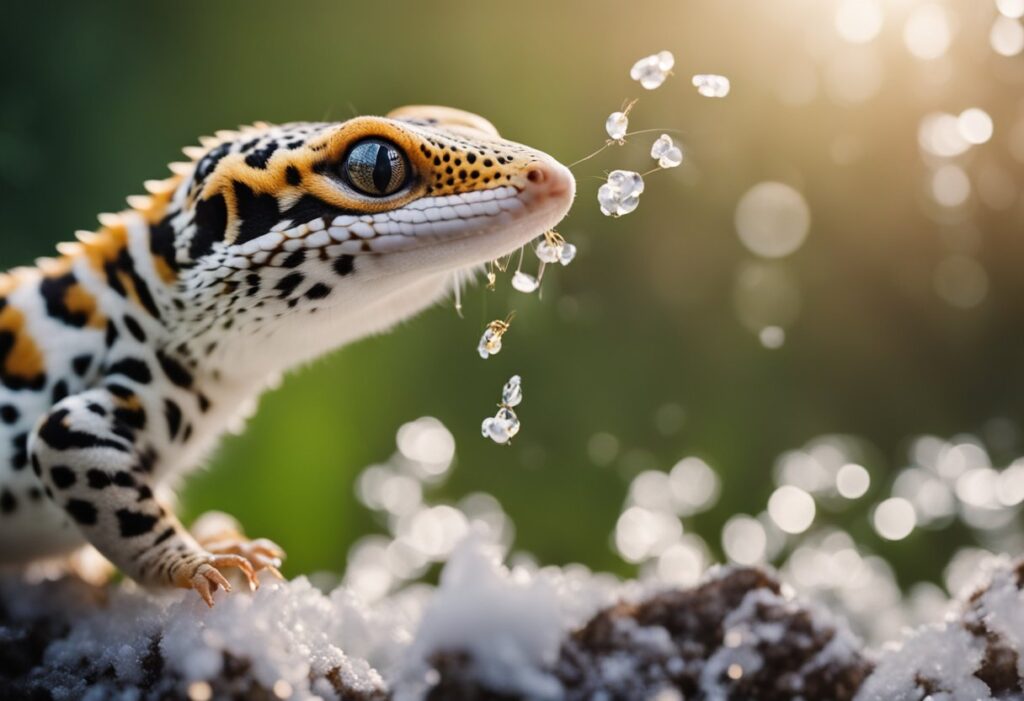
The short answer is yes, leopard geckos can eat frozen insects. In fact, frozen insects can be a convenient and cost-effective option for owners who do not have easy access to live insects or prefer not to handle them. However, it is important to ensure that the frozen insects are of high quality and properly prepared before feeding them to your leopard gecko. In this article, we will explore the benefits and risks of feeding frozen insects to leopard geckos and provide tips for safely incorporating them into your gecko’s diet.
Leopard Gecko Dietary Basics
Leopard geckos are insectivores, which means they require a diet primarily composed of insects. In this section, we will cover the nutritional requirements, feeding frequency, and benefits of an insect diet for leopard geckos.
Nutritional Requirements
Leopard geckos require a balanced diet that includes protein, fat, and vitamins. Insects such as crickets, mealworms, and dubia roaches are excellent sources of protein and fat. It’s important to dust the insects with a calcium and vitamin D3 supplement to prevent metabolic bone disease.
Feeding Frequency
Leopard geckos should be fed every other day. Juvenile geckos require more frequent feedings, while adult geckos can be fed every two to three days. It’s important not to overfeed your gecko, as obesity can lead to health problems.
Insect Diet Benefits
An insect diet provides leopard geckos with the nutrients they need to thrive. Insects are also a great source of hydration for geckos, as they contain moisture. Additionally, feeding live insects provides enrichment for your gecko, as it allows them to exhibit natural hunting behaviors.
Overall, a diet of live insects is essential for the health and wellbeing of leopard geckos. By providing a balanced diet and feeding on a regular schedule, you can ensure that your gecko is getting the nutrients they need to live a happy and healthy life.
Understanding Frozen Insects

When it comes to feeding your leopard gecko, frozen insects can be a convenient and nutritious option. Here, we’ll discuss the different types of frozen insects, their nutritional value, and the thawing process.
Types of Frozen Insects
There are several types of frozen insects available for leopard geckos. The most common are crickets, mealworms, and waxworms. These insects are typically sold in bulk and can be stored in the freezer for several months.
Nutritional Value
Frozen insects can provide a variety of nutrients for your leopard gecko. Crickets, for example, are a good source of protein, while mealworms are high in fat. Waxworms are also high in fat and are a good treat for your gecko in moderation. It’s important to offer a variety of insects to ensure your gecko is getting a balanced diet.
Thawing Process
When thawing frozen insects, it’s important to do so safely. We recommend taking the insects out of the freezer and placing them in a sealed container in the refrigerator overnight. This will allow them to thaw slowly and prevent any harmful bacteria from growing. Once thawed, you can offer the insects to your gecko.
Overall, frozen insects can be a convenient and nutritious option for feeding your leopard gecko. By understanding the different types of insects, their nutritional value, and the proper thawing process, you can ensure your gecko is getting a healthy and balanced diet.
Feeding Frozen Insects to Leopard Geckos
Leopard geckos are insectivores and require a diet that is high in protein. While live insects are the preferred food for leopard geckos, frozen insects can also be a suitable alternative. Here are some important things to keep in mind when feeding frozen insects to your leopard gecko.
Preparation Steps
Before feeding frozen insects to your leopard gecko, it is important to properly thaw and prepare them. Here are the steps to follow:
- Remove the frozen insects from the freezer and allow them to thaw at room temperature for a few hours.
- Once the insects are thawed, place them in a plastic bag and shake them gently to dust them with a calcium and vitamin supplement powder.
- After dusting the insects, place them in a feeding dish and offer them to your leopard gecko.
Safety Considerations
When feeding frozen insects to your leopard gecko, it is important to keep safety in mind. Here are some things to consider:
- Only feed your leopard gecko insects that have been specifically bred and prepared for reptile consumption.
- Do not feed your leopard gecko insects that have been caught in the wild, as they may carry parasites or diseases.
- Always supervise your leopard gecko while they are eating to ensure that they do not choke on the insects.
Portion Control
When feeding frozen insects to your leopard gecko, it is important to practice portion control. Here are some guidelines to follow:
- Offer your leopard gecko a variety of insects to ensure a balanced diet.
- Feed your leopard gecko a number of insects that is appropriate for their size and age. A good rule of thumb is to offer them as many insects as they can eat in 15 minutes.
- Do not overfeed your leopard gecko, as this can lead to obesity and other health problems.
In conclusion, feeding frozen insects to your leopard gecko can be a safe and convenient alternative to live insects. By following these preparation steps, safety considerations, and portion control guidelines, you can ensure that your leopard gecko receives a healthy and balanced diet.
Potential Risks of Frozen Insects
When feeding leopard geckos, it is important to consider the potential risks of using frozen insects as a primary food source. While frozen insects can be a convenient and cost-effective option, there are some risks that should be taken into account.
Nutrient Deficiency
One of the main concerns with feeding leopard geckos frozen insects is the potential for nutrient deficiencies. Frozen insects may not contain the same level of nutrients as live insects, which can lead to deficiencies in important vitamins and minerals. This can have negative effects on the health and wellbeing of your leopard gecko.
To avoid nutrient deficiencies, it is important to ensure that your leopard gecko is receiving a balanced and varied diet. This can include a mix of live insects, fresh fruits and vegetables, and high-quality commercial gecko food.
Digestive Issues
Another potential risk of feeding leopard geckos frozen insects is the potential for digestive issues. Frozen insects can be harder to digest than live insects, which can lead to digestive problems such as impaction.
To minimize the risk of digestive issues, it is important to ensure that your leopard gecko is properly hydrated and that their diet includes a mix of live and frozen insects. It is also important to avoid overfeeding and to monitor your leopard gecko’s digestive health closely.
Overall, while frozen insects can be a convenient option for feeding leopard geckos, it is important to be aware of the potential risks and to take steps to minimize them. By providing a balanced and varied diet and monitoring your leopard gecko’s health closely, you can help ensure that they stay healthy and happy.
Alternatives to Frozen Insects
If you’re looking for alternative options to feed your leopard gecko, there are a few options to consider. Here are two options to consider:
Live Prey
Live prey is an excellent alternative to frozen insects. Live insects provide a more natural and nutritious diet for your leopard gecko. They also stimulate hunting behavior, which can be beneficial for their mental and physical health.
Some of the common live prey options for leopard geckos include crickets, mealworms, waxworms, and superworms. It’s important to ensure that the live prey is appropriately sized for your leopard gecko, and that it’s from a reputable source to avoid any health issues.
Commercial Diets
Another alternative to frozen insects is commercial diets. These diets are formulated to provide a balanced and nutritious diet for your leopard gecko. They come in various forms, including pellets, powders, and gels.
Commercial diets are convenient and easy to use, and they can be an excellent option for leopard gecko owners who don’t have the time or resources to feed live prey. However, it’s essential to choose a high-quality commercial diet that meets your leopard gecko’s nutritional needs.
In summary, live prey and commercial diets are two excellent alternatives to frozen insects. Each option has its advantages and disadvantages, so it’s essential to consider your leopard gecko’s individual needs and preferences before choosing an alternative diet.
Monitoring Your Leopard Gecko’s Health
As responsible pet owners, it is important to keep a close eye on our leopard geckos’ health. Here are some ways to monitor their health:
Weight Tracking
Weighing your leopard gecko regularly can help you detect any changes in their weight, which can be an indicator of their overall health. A healthy adult leopard gecko typically weighs between 45-80 grams. We recommend using a digital kitchen scale and recording their weight in a journal or spreadsheet.
Stool Examination
Examining your leopard gecko’s stool can provide valuable information about their digestive health. A healthy stool should be firm, moist, and well-formed. If you notice any changes in color, consistency, or frequency, it could be a sign of an underlying health issue. If you have any concerns, it’s best to consult with a veterinarian.
Behavioral Signs
Observing your leopard gecko’s behavior can also give you an idea of their overall health. A healthy leopard gecko should be active, alert, and curious. If you notice any changes in their behavior, such as lethargy, lack of appetite, or difficulty moving, it could be a sign of illness. It’s important to address these changes promptly to ensure your leopard gecko’s well-being.
By monitoring your leopard gecko’s weight, stool, and behavior, you can help ensure they stay healthy and happy. If you have any concerns about your leopard gecko’s health, don’t hesitate to seek advice from a qualified veterinarian.
Frequently Asked Questions
Is it safe for leopard geckos to consume freeze-dried mealworms?
Yes, it is safe for leopard geckos to consume freeze-dried mealworms. Freeze-drying removes all the moisture from the insects, making them safe for consumption. However, it is important to ensure that the freeze-dried mealworms are of high quality and not contaminated with bacteria or other harmful substances.
What are the potential risks of feeding frozen insects to leopard geckos?
Feeding frozen insects to leopard geckos is generally safe, but there are some potential risks to be aware of. If the insects are not properly thawed, they can cause digestive issues and even impaction. Additionally, frozen insects may not be as nutritious as live insects, so it is important to ensure that your leopard gecko is still getting a balanced diet.
Are there any insects that should be avoided in a leopard gecko’s diet?
Yes, there are a few insects that should be avoided in a leopard gecko’s diet. Fireflies, for example, are toxic to leopard geckos and can cause serious health issues. Additionally, wild-caught insects should be avoided as they may be contaminated with pesticides or other harmful substances.
Can feeding dried insects to leopard geckos cause health issues?
Feeding dried insects to leopard geckos is generally safe, but there are some potential health issues to be aware of. Dried insects may not be as nutritious as live insects, so it is important to ensure that your leopard gecko is still getting a balanced diet. Additionally, some leopard geckos may have difficulty digesting dried insects, so it is important to monitor your gecko for any signs of digestive issues.
What is the proper way to prepare frozen insects for leopard geckos?
To prepare frozen insects for leopard geckos, simply thaw them out in a container at room temperature or in the refrigerator. Do not use a microwave or hot water to thaw the insects, as this can cause them to become too hot and potentially harm your gecko. Once the insects are thawed, you can feed them to your leopard gecko as you normally would.
What should you never feed to a leopard gecko?
There are a few things that you should never feed to a leopard gecko. Fireflies, as mentioned earlier, are toxic to leopard geckos and should be avoided at all costs. Additionally, any insects that are too large for your gecko to eat comfortably should be avoided, as they can cause digestive issues and even impaction. Finally, any insects that are not specifically recommended for leopard geckos should be avoided, as they may not be safe or nutritious for your gecko.