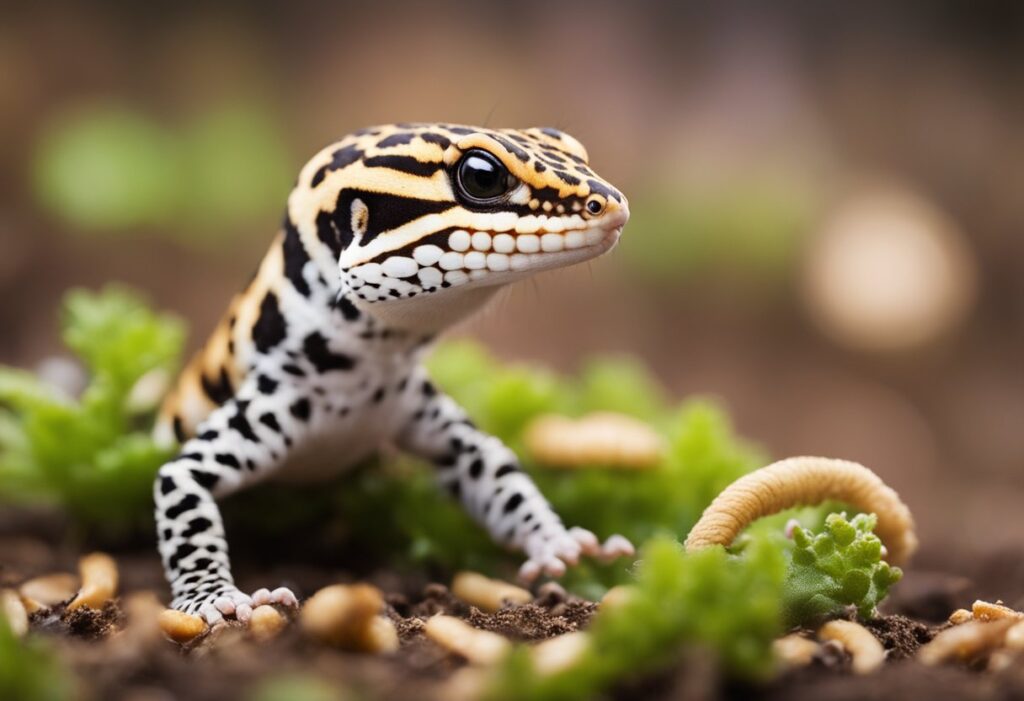
Leopard geckos are popular pets among reptile enthusiasts. They are relatively easy to care for and have a docile temperament. However, when it comes to feeding them, many owners may wonder if they can offer giant mealworms as part of their diet. In this article, we will explore the question of whether leopard geckos can eat giant mealworms.
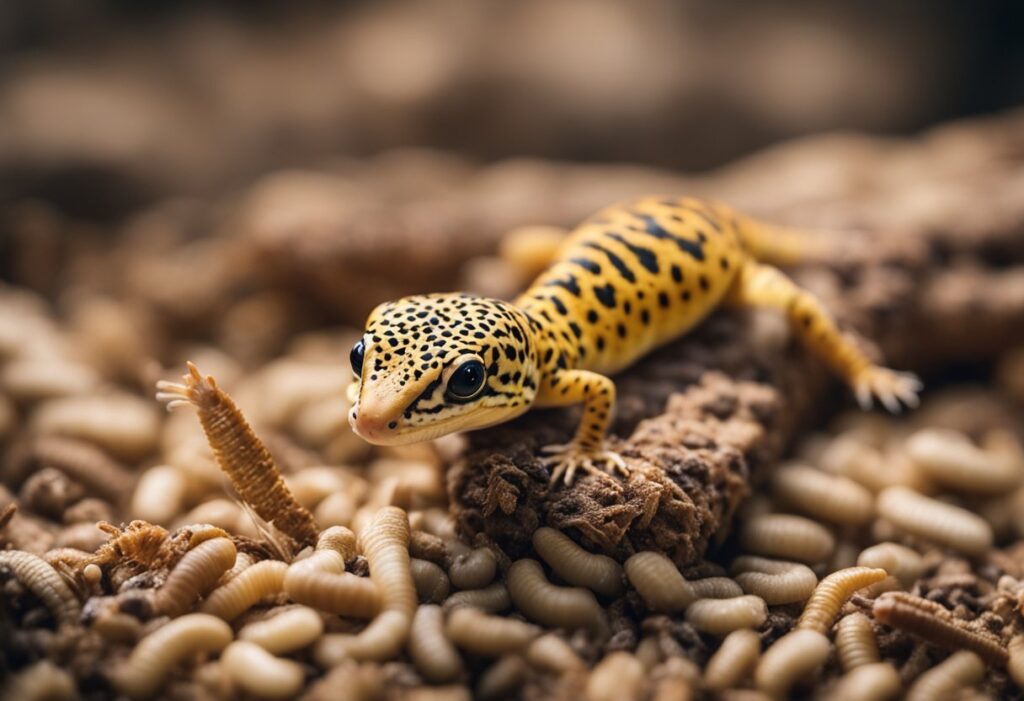
Giant mealworms, also known as superworms, are larger than regular mealworms and are often used as a food source for larger reptiles. While they can provide a good source of protein and fat, it is important to consider whether they are suitable for leopard geckos. In the following paragraphs, we will discuss the nutritional requirements of leopard geckos and whether giant mealworms can meet those needs.
Leopard Gecko Dietary Basics
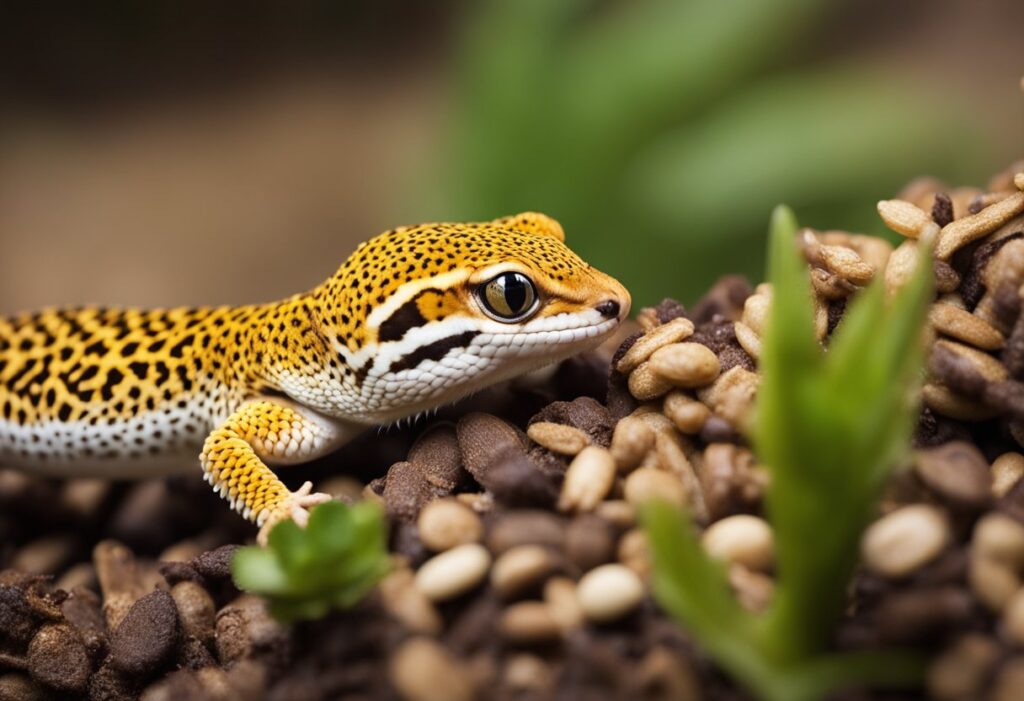
As leopard gecko owners, we want to ensure our pets are healthy and well-fed. One aspect of their diet that we need to pay attention to is the type of food we offer them. In the wild, leopard geckos are insectivores, and their diet consists mostly of insects. In captivity, we can provide them with a variety of insects, including mealworms, crickets, and dubia roaches.
When it comes to feeding leopard geckos, it is important to provide them with a balanced diet. This means offering them a variety of insects, as well as supplementing their diet with vitamins and minerals. We can do this by dusting their food with a calcium and vitamin D3 supplement.
Giant mealworms are a popular choice among leopard gecko owners. However, it is important to note that they should not be the only food item in their diet. Giant mealworms are high in fat, and too many of them can lead to obesity and other health issues. It is recommended to offer them as an occasional treat, rather than a staple food item.
In summary, leopard geckos are insectivores, and their diet should consist of a variety of insects. We need to ensure they are receiving a balanced diet by supplementing their food with vitamins and minerals. While giant mealworms can be offered as a treat, they should not be the only food item in their diet.
Benefits of Giant Mealworms for Leopard Geckos
Giant mealworms are an excellent source of nutrition for leopard geckos. They are larger in size compared to regular mealworms, which means they contain more protein and fat. Here are some benefits of feeding giant mealworms to your leopard gecko:
- High in protein: Giant mealworms are rich in protein, which is essential for the growth and development of leopard geckos. Protein helps in building and repairing tissues, and also aids in the production of enzymes and hormones.
- Good source of fat: Leopard geckos require a certain amount of fat in their diet for energy and to aid in the absorption of fat-soluble vitamins. Giant mealworms are higher in fat compared to regular mealworms, making them a good source of this essential nutrient.
- Easy to digest: Leopard geckos have a simple digestive system, and giant mealworms are easy for them to digest. They have a soft exoskeleton, which makes them easier to chew and break down.
- Variety in diet: Feeding your leopard gecko a variety of insects is important for providing a balanced diet. Giant mealworms can be fed as part of a varied diet that includes crickets, waxworms, and other insects.
It is important to note that while giant mealworms are a nutritious food source for leopard geckos, they should not be fed exclusively. A varied diet that includes a mix of insects and occasional treats such as fruits and vegetables is important for maintaining a healthy and happy leopard gecko.
Potential Risks of Feeding Giant Mealworms
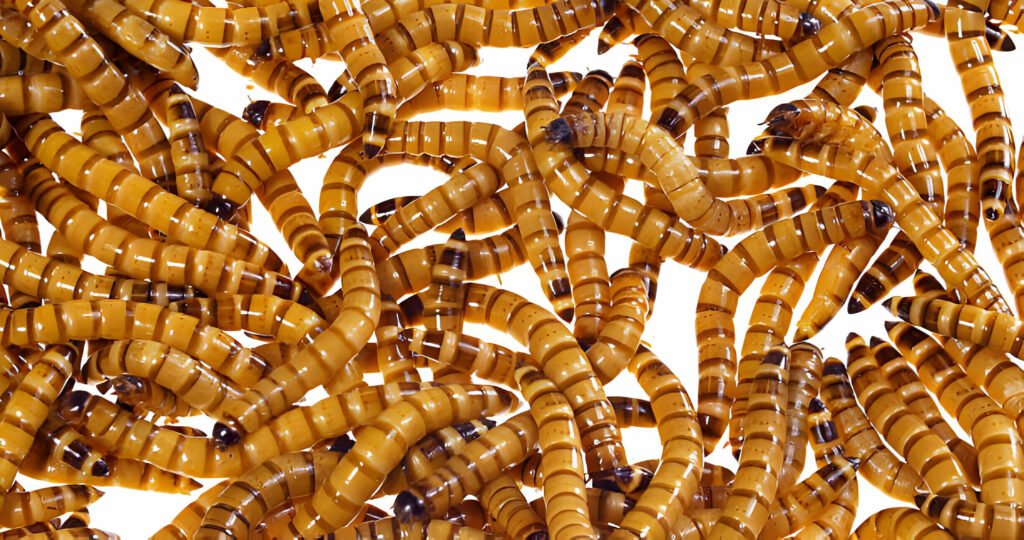
When it comes to feeding leopard geckos, it’s important to be aware of the potential risks associated with certain foods. Giant mealworms, in particular, can pose some risks that need to be considered before feeding them to your gecko.
One of the main concerns with feeding giant mealworms is their size. As the name suggests, these mealworms are much larger than regular mealworms, which means they can be difficult for leopard geckos to digest. Ingesting a mealworm that is too large can lead to impaction, which is a serious condition that can be fatal if left untreated.
Another risk associated with feeding giant mealworms is their high fat content. While leopard geckos do require some fat in their diet, feeding them too many fatty insects can lead to obesity and other health problems. It’s important to balance their diet with a variety of insects and other foods to ensure they are getting all the nutrients they need.
Lastly, it’s important to note that giant mealworms are not a natural part of a leopard gecko’s diet. While they may enjoy eating them, it’s important to provide a balanced diet that includes a variety of insects and other foods that are more closely aligned with their natural diet in the wild.
Overall, while it is possible to feed giant mealworms to leopard geckos, it’s important to do so in moderation and with caution. It’s always a good idea to consult with a veterinarian or experienced reptile keeper before making any significant changes to your gecko’s diet.
Proper Feeding Techniques
When feeding giant mealworms to leopard geckos, it is important to follow proper feeding techniques to ensure their health and well-being.
Firstly, it is recommended to feed leopard geckos a varied diet to ensure they receive all the necessary nutrients. While giant mealworms can be a part of their diet, they should not be the sole source of food. It is important to offer other insects such as crickets, dubia roaches, and waxworms.
When feeding giant mealworms, it is important to ensure they are properly gut-loaded. This means feeding them a nutritious diet for at least 24 hours prior to feeding them to the leopard gecko. This will ensure that the leopard gecko receives the necessary nutrients from the mealworms.
It is also important to dust the mealworms with a calcium supplement before feeding them to the leopard gecko. This will help prevent calcium deficiencies, which can lead to health problems such as metabolic bone disease.
When feeding the mealworms to the leopard gecko, it is important to ensure they are an appropriate size. Mealworms that are too large can cause impaction, which can be fatal. As a general rule, the mealworm should be no larger than the width of the leopard gecko’s head.
By following these proper feeding techniques, we can ensure the health and well-being of our leopard geckos when feeding them giant mealworms.
Nutritional Content of Giant Mealworms
When considering feeding giant mealworms to leopard geckos, it is important to understand their nutritional content. Giant mealworms are a good source of protein, fat, and fiber, but they have a lower calcium content than other feeder insects commonly fed to leopard geckos.
According to the USDA National Nutrient Database, 100 grams of giant mealworms contain approximately 20 grams of protein, 13 grams of fat, and 2 grams of fiber. They also contain a small amount of vitamins and minerals, including iron, magnesium, and zinc.
It is important to note that while giant mealworms are a good source of protein and fat, they have a lower calcium to phosphorus ratio than other feeder insects such as crickets and dubia roaches. This means that if leopard geckos are fed a diet high in giant mealworms, they may develop calcium deficiency and other health issues.
To ensure a balanced diet for leopard geckos, it is recommended to offer a variety of feeder insects and to dust them with a calcium supplement before feeding. This will help prevent calcium deficiency and ensure optimal health for your leopard gecko.
Frequency and Quantity of Giant Mealworms to Feed
When it comes to feeding giant mealworms to leopard geckos, it is important to consider both the frequency and quantity of the feedings.
Leopard geckos are small creatures with relatively small stomachs, so it is important not to overfeed them. As a general rule, it is recommended to feed adult leopard geckos 3-4 giant mealworms every 2-3 days. For baby leopard geckos, 1-2 giant mealworms every day is sufficient.
It is important to note that feeding leopard geckos too many giant mealworms can lead to health problems such as obesity and digestive issues. It is also important to make sure that the mealworms are appropriately sized for your leopard gecko. If the mealworms are too large, they can cause choking or other digestive issues.
In addition to the frequency and quantity of the feedings, it is important to provide a balanced diet for your leopard gecko. Giant mealworms should not be the sole source of nutrition for your leopard gecko. They should be supplemented with other insects such as crickets and dubia roaches, as well as a variety of fruits and vegetables.
Overall, when feeding giant mealworms to leopard geckos, it is important to keep in mind the appropriate frequency and quantity of feedings, as well as providing a balanced diet. By doing so, you can help ensure that your leopard gecko stays healthy and happy.
Alternative Foods for Leopard Geckos
As responsible pet owners, we always want to ensure that our leopard geckos have a well-balanced diet. While mealworms are a popular staple food for leopard geckos, it’s important to provide them with a variety of food options to ensure they receive all the necessary nutrients.
Here are some alternative food options for leopard geckos:
Crickets
Crickets are a great source of protein and can be a fun addition to your leopard gecko’s diet. They are also readily available at pet stores and can be purchased in various sizes. We recommend dusting the crickets with calcium powder before feeding them to your leopard gecko.
Dubia Roaches
Dubia roaches are another excellent source of protein and are easy to digest for leopard geckos. They are also less likely to carry parasites than other feeder insects. We recommend purchasing dubia roaches that are appropriately sized for your leopard gecko and dusting them with calcium powder before feeding.
Waxworms
Waxworms are a high-fat treat that should be fed sparingly, but they can be a great way to add variety to your leopard gecko’s diet. They are soft-bodied and easy to digest for leopard geckos. We recommend feeding waxworms as an occasional treat and not as a staple food.
Silkworms
Silkworms are a nutritious and low-fat feeder insect option for leopard geckos. They are high in protein and calcium, making them an excellent addition to your leopard gecko’s diet. We recommend purchasing appropriately sized silkworms and dusting them with calcium powder before feeding.
In conclusion, while mealworms are a great staple food for leopard geckos, it’s important to provide them with a variety of food options to ensure they receive all the necessary nutrients. By incorporating alternative feeder insects into your leopard gecko’s diet, you can help promote their overall health and well-being.
Understanding Leopard Gecko Digestive Health
Leopard geckos are known for their hearty appetites and can eat a variety of insects, including mealworms. However, it is important to understand their digestive health to ensure they are eating a balanced diet and not overfeeding.
Leopard geckos have a simple digestive system that consists of a stomach, small intestine, and large intestine. They are also equipped with a powerful stomach acid that helps break down their food. However, their digestive system is not designed to handle large or hard-bodied insects, such as giant mealworms.
Feeding leopard geckos giant mealworms can lead to digestive issues, such as impaction, which is when a blockage occurs in their digestive system. This can cause discomfort, lethargy, and even death if left untreated.
To maintain their digestive health, it is recommended to feed leopard geckos appropriately sized insects, such as small mealworms or crickets. It is also important to provide a balanced diet that includes a variety of insects, as well as calcium and vitamin supplements.
In summary, while leopard geckos can eat mealworms, it is important to understand their digestive health and feed them appropriately sized insects to avoid potential health issues.
Frequently Asked Questions
What types of mealworms are safe for leopard geckos to eat?
Leopard geckos can safely consume regular mealworms, but it is recommended to feed them smaller mealworms as they are easier to digest. Giant mealworms should be avoided as they can cause impaction, which can be fatal for the gecko.
How many mealworms should be fed to a leopard gecko daily?
The number of mealworms to feed a leopard gecko daily depends on its age and size. As a general rule, adult geckos can be fed around 5-10 mealworms every other day, while juvenile geckos can be fed daily with smaller amounts.
Is there a risk of impaction from feeding leopard geckos large mealworms?
Yes, there is a risk of impaction from feeding leopard geckos large mealworms. The exoskeleton of the mealworm can be difficult to digest and can cause blockages in the gecko’s digestive system.
Can leopard geckos safely consume mealworm pupae?
Yes, leopard geckos can safely consume mealworm pupae, but they should not be fed as a staple diet as they are high in fat.
What is the appropriate size of prey for leopard geckos?
The appropriate size of prey for leopard geckos depends on their size. As a general rule, the prey should be no larger than the width of the gecko’s head. Feeding prey that is too large can cause impaction and other digestive issues.
Are darkling beetles a suitable food choice for leopard geckos?
Darkling beetles are not a suitable food choice for leopard geckos as they are difficult to digest and can cause impaction. It is recommended to stick to mealworms, crickets, and other insects that are easier for the gecko to digest.