Leopard geckos are popular pets due to their docile nature, low maintenance, and unique appearance. As with any pet, it’s important to provide them with a healthy and balanced diet. One common question that arises is whether leopard geckos can eat just mealworms and still receive all the necessary nutrients.
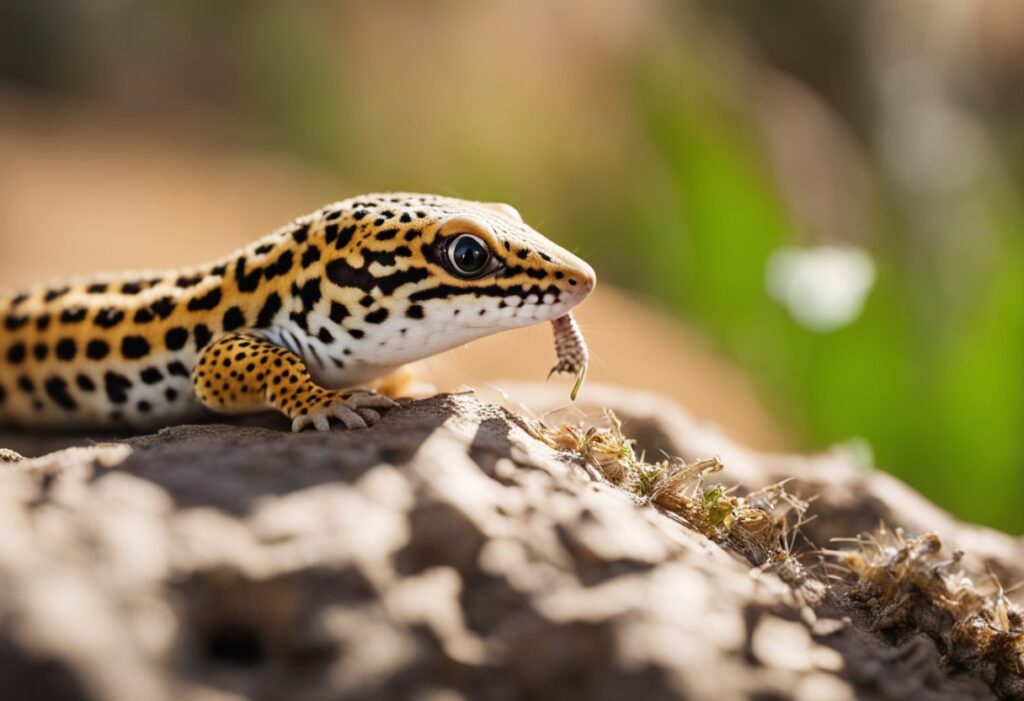
Mealworms are a staple in many leopard gecko diets and are a good source of protein. However, a diet consisting solely of mealworms may not provide all the necessary nutrients that leopard geckos need. While mealworms are high in protein, they are low in fat and calcium, which are essential for healthy growth and bone development. In addition, feeding only one type of food can lead to boredom and a lack of variety in the diet.
Dietary Needs of Leopard Geckos

As responsible pet owners, we want to ensure that our leopard geckos receive a well-balanced diet that meets their nutritional needs. While mealworms are a popular and convenient food source, it is important to understand that they should not be the sole component of a leopard gecko’s diet.
Leopard geckos require a diet that is high in protein and low in fat. In addition to mealworms, other suitable food options include crickets, dubia roaches, and waxworms. It is recommended to offer a variety of insects to ensure that your leopard gecko receives a diverse range of nutrients.
It is also important to provide your leopard gecko with a source of calcium. This can be achieved by dusting their food with a calcium supplement or by providing a separate dish of calcium powder. Without adequate calcium, leopard geckos can develop metabolic bone disease, which can lead to serious health problems.
In addition to their diet, leopard geckos require access to clean water at all times. Water should be provided in a shallow dish that is easy for them to access. It is important to clean and refill the water dish daily to prevent the growth of harmful bacteria.
Overall, while mealworms can be a part of a leopard gecko’s diet, it is important to offer a variety of insects and to supplement their diet with calcium to ensure their nutritional needs are met.
Risks of a Mealworm-Only Diet
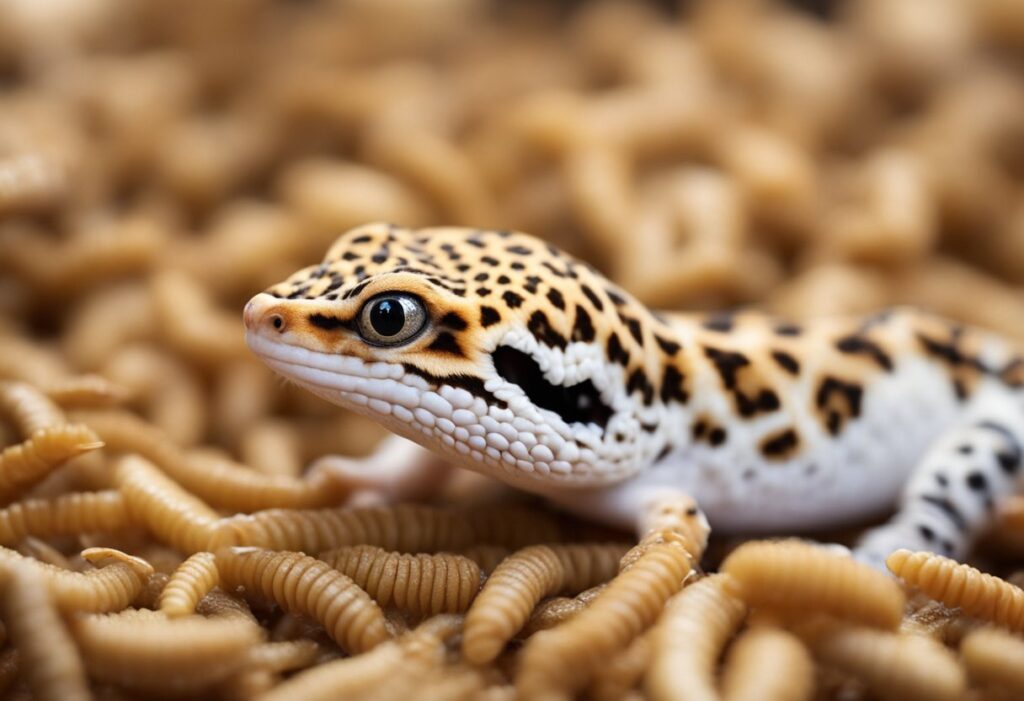
A mealworm-only diet for leopard geckos may seem like a simple and convenient solution, but it can pose several risks to their health. Here are some of the potential issues that can arise from feeding your leopard gecko a mealworm-only diet.
Nutritional Imbalance
Mealworms are a good source of protein, but they are not a complete source of nutrition for leopard geckos. A diet that relies solely on mealworms can lead to a nutritional imbalance, which can cause health problems over time. For example, a lack of calcium can lead to metabolic bone disease, while a lack of vitamins and minerals can weaken the immune system and make the gecko more susceptible to illness.
Digestive Issues
Mealworms are high in chitin, which is a tough, indigestible material found in the exoskeletons of insects. This can make it difficult for leopard geckos to digest mealworms properly, especially if they are fed too many at once. Over time, this can lead to digestive issues such as impaction, which can be life-threatening if left untreated.
Growth Impediments
Leopard geckos that are fed a mealworm-only diet may not receive all the nutrients they need to grow and develop properly. This can lead to stunted growth and other developmental issues, such as weak bones and muscles. In severe cases, it can even lead to premature death.
To ensure the health and well-being of your leopard gecko, it is important to provide a varied diet that includes a mix of insects, such as crickets, roaches, and mealworms, as well as other foods like fruits and vegetables. This will help to ensure that your gecko receives all the nutrients they need to thrive.
Benefits of a Varied Diet
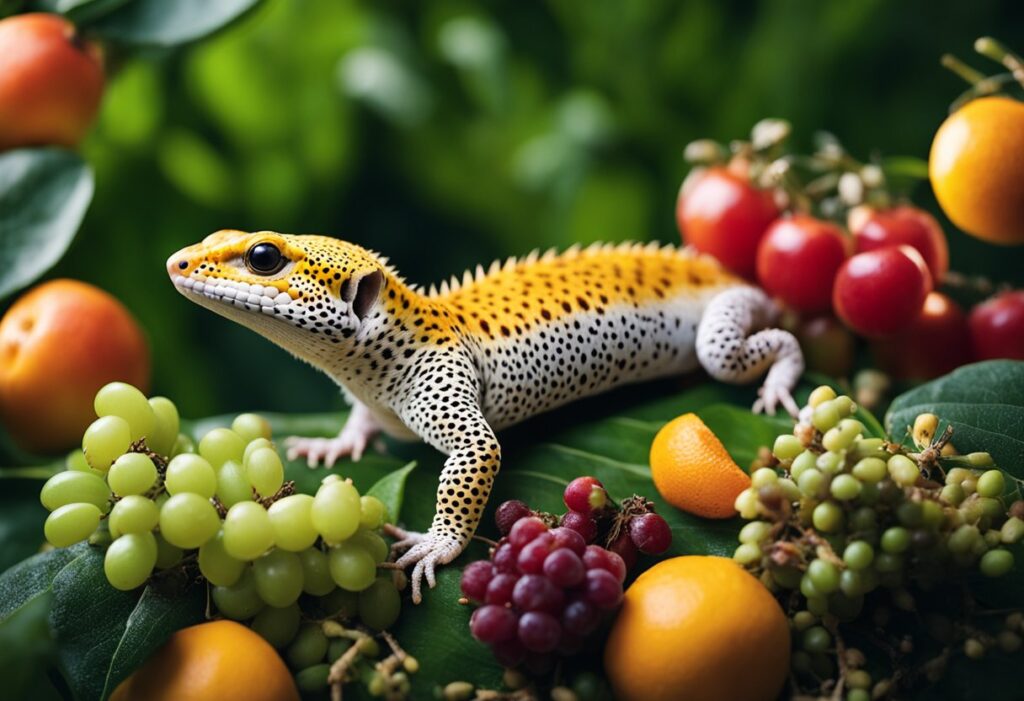
A varied diet is essential for the optimal health of leopard geckos. While mealworms can be a staple in their diet, it is important to provide them with a variety of food options to ensure they receive all the necessary nutrients.
Improved Nutrition
A varied diet ensures that leopard geckos receive a balanced intake of essential nutrients such as protein, fat, vitamins, and minerals. Mealworms alone do not provide all the nutrients that leopard geckos need to thrive. For example, they lack calcium and vitamin D3, which are crucial for strong bones and overall health.
By offering a variety of food options such as crickets, waxworms, and dubia roaches, we can ensure that our leopard geckos receive all the necessary nutrients to maintain a healthy and active lifestyle.
Behavioral Enrichment
In the wild, leopard geckos have a varied diet that includes insects, spiders, and other small prey. By providing a varied diet in captivity, we can mimic their natural feeding behavior and provide them with mental stimulation.
Offering different types of prey can also encourage natural hunting behaviors, which can help prevent boredom and stress. This can lead to a happier and healthier leopard gecko.
Longevity and Health
A varied diet can also contribute to the longevity and overall health of leopard geckos. A diet that lacks essential nutrients can lead to health problems such as metabolic bone disease, obesity, and digestive issues.
By providing a varied diet that includes a variety of insects, we can ensure that our leopard geckos receive all the necessary nutrients to maintain their health and prevent the onset of these health issues.
In conclusion, a varied diet is essential for the optimal health of leopard geckos. By providing a variety of food options, we can ensure that they receive all the necessary nutrients, mental stimulation, and prevent health issues.
Proper Feeding Techniques
When it comes to feeding leopard geckos, it is important to ensure that they receive a balanced diet that meets their nutritional requirements. While mealworms are a popular food choice for leopard geckos, it is important to note that they should not be the only food source. Here are some proper feeding techniques to consider:
Feeding Schedule
Leopard geckos should be fed once a day, with the amount of food depending on their age and size. Younger geckos should be fed more frequently than adults, and the amount of food should be smaller. It is important to avoid overfeeding, as this can lead to obesity and other health problems.
Mealworm Preparation
Before feeding mealworms to your leopard gecko, it is important to ensure that they are properly prepared. Mealworms should be gut-loaded with nutritious food, such as fruits and vegetables, to ensure that they provide the necessary nutrients to your gecko. They should also be dusted with a calcium supplement before feeding to ensure that your gecko is receiving enough calcium.
Supplementation
While mealworms can provide a good source of protein for leopard geckos, they should not be the only food source. It is important to supplement their diet with other food sources, such as crickets, waxworms, and other insects. This will ensure that they receive a balanced diet that meets their nutritional needs.
In summary, feeding leopard geckos a diet that consists solely of mealworms is not recommended. By following proper feeding techniques, such as establishing a feeding schedule, preparing mealworms properly, and supplementing their diet with other food sources, you can ensure that your leopard gecko receives a balanced and nutritious diet.
Alternative Food Sources
If you’re considering feeding your leopard gecko a diet consisting solely of mealworms, it’s important to know that they require a varied diet to maintain optimal health. Here are some alternative food sources to consider incorporating into your leopard gecko’s diet:
Insects and Larvae
Leopard geckos enjoy a variety of insects and larvae, such as crickets, dubia roaches, superworms, and waxworms. These can be purchased at most pet stores or online. It’s important to gut load and dust these insects with calcium and vitamin D3 supplements before feeding them to your gecko.
Commercial Diets
There are also commercial diets available for leopard geckos, such as meal replacement powders and pelleted diets. These diets are formulated to provide a complete and balanced nutritional profile for your gecko. However, it’s still important to offer a variety of foods to ensure your gecko is getting all the nutrients it needs.
Occasional Treats
Leopard geckos can enjoy occasional treats such as pinkie mice or small pieces of fruit. However, these should not make up a significant portion of their diet and should only be given in moderation.
Incorporating a variety of food sources into your leopard gecko’s diet is important for their health and well-being. Consult with a veterinarian or reptile expert if you have any questions or concerns about your gecko’s diet.
Monitoring Leopard Gecko Health
Keeping track of your leopard gecko’s health is crucial to ensure they are happy and healthy. As a responsible pet owner, it is important to monitor their weight, activity levels, and appetite changes regularly.
Weight Tracking
We recommend weighing your leopard gecko once a week to ensure they are maintaining a healthy weight. You can use a digital kitchen scale to weigh them, making sure to place them on a flat surface to get an accurate reading. A healthy adult leopard gecko should weigh between 50-80 grams. If you notice a significant change in weight, it may be a sign of an underlying health issue, and you should consult with a veterinarian.
Activity Levels
Leopard geckos are nocturnal animals, so it is common for them to sleep during the day and be active at night. However, if you notice a significant decrease in their activity levels, it may be a sign of illness or stress. Make sure to provide them with a comfortable and stimulating environment, including hiding spots, climbing structures, and appropriate lighting.
Appetite Changes
Leopard geckos are known for their hearty appetite, but if you notice a sudden decrease in their food intake, it may be a sign of illness. Make sure to offer them a variety of food options, including live insects, such as crickets and mealworms, and fresh vegetables. If you notice any significant changes in their appetite, it is important to consult with a veterinarian.
In conclusion, monitoring your leopard gecko’s health is essential to ensure they are happy and healthy. Regularly tracking their weight, activity levels, and appetite changes will help you identify any potential health issues early on and ensure they receive the proper care they need.
Frequently Asked Questions
What is the best diet for a leopard gecko?
Leopard geckos are insectivores, and their diet should consist of a variety of insects. Mealworms can be a part of their diet, but they should not be the only food they eat. A balanced diet for leopard geckos should include crickets, dubia roaches, waxworms, and other feeder insects.
Are live mealworms safe for leopard geckos to eat?
Yes, live mealworms are safe for leopard geckos to eat. However, it is important to make sure the mealworms are not too big for your gecko to swallow, as this can cause choking or impaction.
Is it harmful for a leopard gecko to eat dried mealworms?
Dried mealworms can be fed to leopard geckos, but they should not be the only food they eat. Dried mealworms lack the moisture content that live insects provide, and they can be difficult for leopard geckos to digest. It is important to gut load dried mealworms before feeding them to your gecko.
How does gut loading mealworms benefit leopard geckos?
Gut loading is the process of feeding insects a nutritious diet before feeding them to your gecko. This ensures that your gecko is getting the necessary nutrients from their food. Gut loading mealworms with high-quality foods such as carrots, sweet potatoes, and leafy greens can provide your gecko with essential vitamins and minerals.
What are the risks of feeding leopard geckos only mealworms?
Feeding leopard geckos only mealworms can lead to nutritional deficiencies, such as a lack of calcium and vitamin D3. This can result in metabolic bone disease, which can cause deformities and weakness in your gecko’s bones. Additionally, mealworms have a high fat content, which can lead to obesity in leopard geckos.
What alternatives to mealworms can be fed to leopard geckos?
Leopard geckos can be fed a variety of feeder insects, such as crickets, dubia roaches, waxworms, and superworms. It is important to provide a variety of insects to ensure your gecko is getting a balanced diet. Additionally, some fruits and vegetables, such as mashed bananas and sweet potatoes, can be fed to leopard geckos as an occasional treat.