
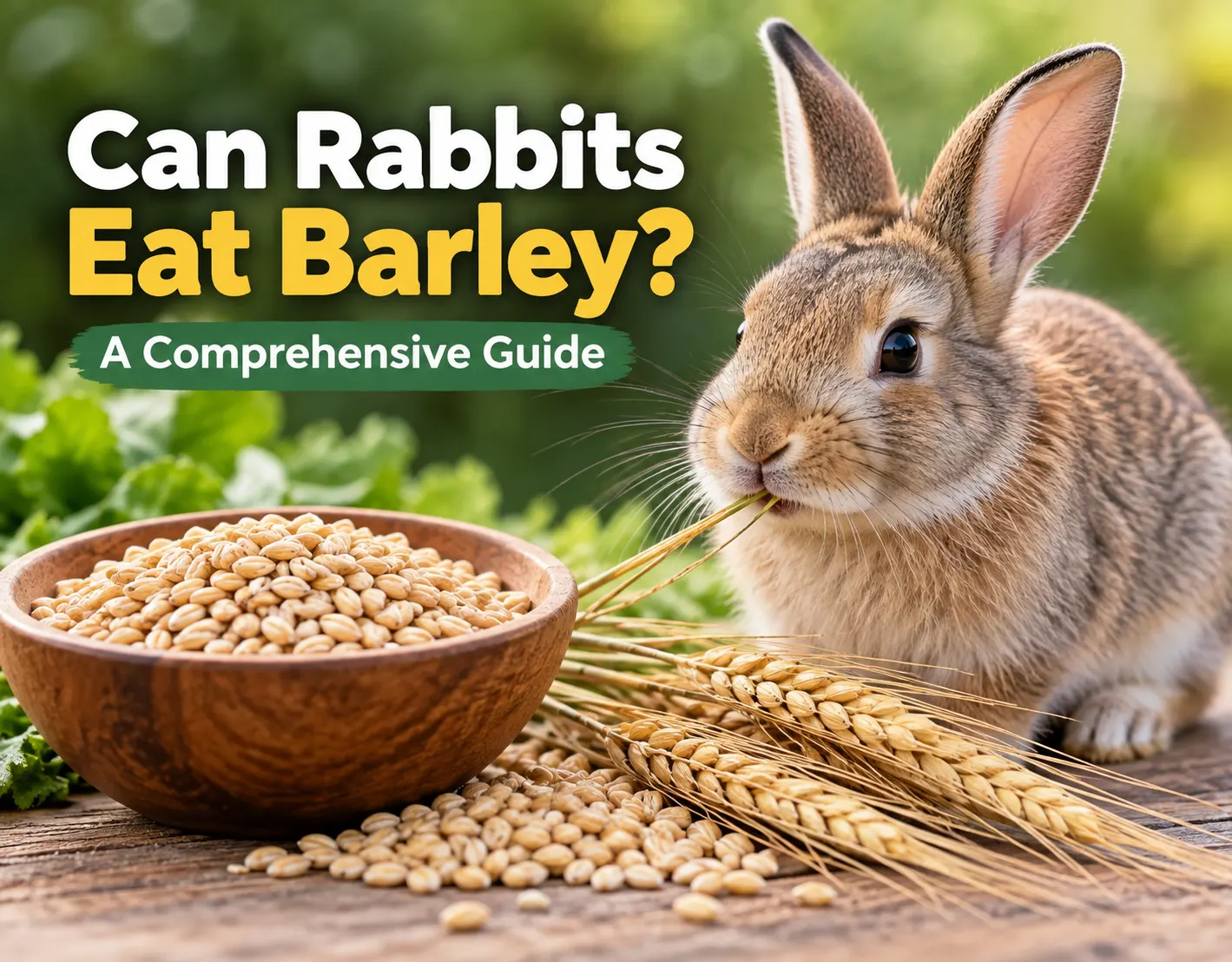
Can rabbits eat barley? Yes, rabbits can eat small amounts of barley, but it should not be a major part of their diet. Barley is a grain that contains carbohydrates, fiber, protein, vitamins, and minerals, but rabbits have very different nutritional needs from livestock and other animals commonly fed grains. Their digestive systems are designed primarily for high-fiber foods such as grass hay and leafy greens.
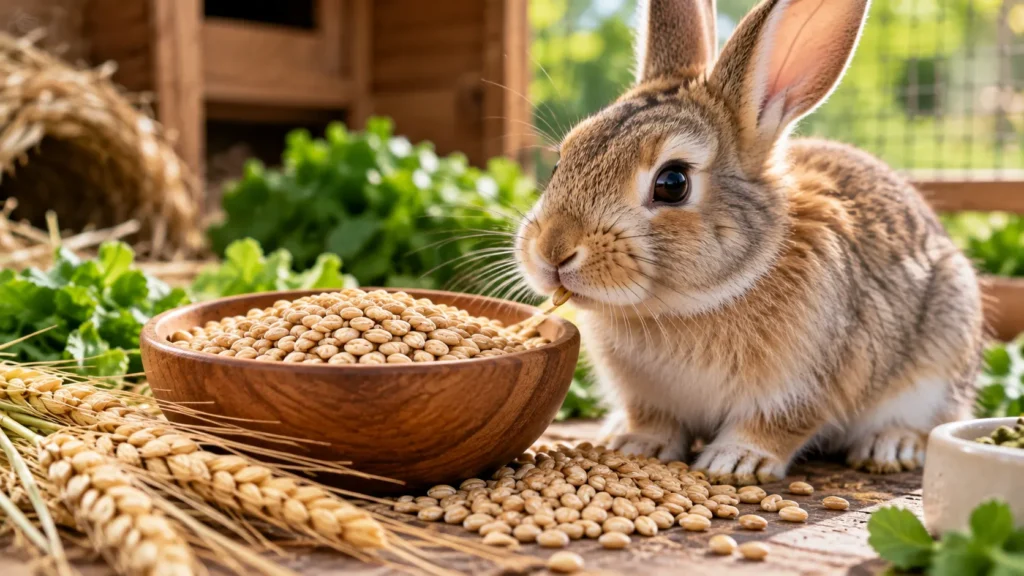
If you’re wondering whether barley is safe for your pet rabbit, the answer depends on the type of barley, the amount offered, and your rabbit’s overall diet. Plain barley is not considered inherently toxic to rabbits, but large amounts of grain can provide more starch and calories than a typical pet rabbit needs. Too much starchy food may also contribute to digestive problems and unwanted weight gain.
In this guide, we’ll look at whether rabbits can eat barley, its nutritional profile, possible benefits and risks, how to introduce it safely, and healthier foods that should make up most of a rabbit’s diet.
Can Rabbits Eat Barley?
Rabbits can eat a small amount of plain barley occasionally, but barley should be treated as an optional treat rather than a staple food. A healthy rabbit’s diet should be built around unlimited good-quality grass hay, fresh water, appropriate leafy greens, and a measured amount of rabbit pellets.
Barley is a cereal grain, so it contains considerably more starch and concentrated energy than the high-fiber foods rabbits naturally need. For that reason, feeding large portions of barley or offering it frequently is not a good idea.
If your rabbit has never eaten barley before, introduce only a very small amount and watch for changes in appetite, stool, or behavior. Every rabbit is different, and rabbits with sensitive digestive systems may not tolerate new foods well.
Nutritional Profile of Barley
Barley is a nutritious cereal grain and is commonly used in human foods and animal feed. It contains several nutrients, but that doesn’t automatically make it an ideal everyday food for rabbits. For rabbits, the balance between fiber, starch, calories, and other nutrients matters more than simply looking at whether a food contains vitamins and minerals.
Fiber
Barley contains dietary fiber, but it should not be considered a replacement for hay. Rabbits need large amounts of long-strand fiber from grass hay to support normal digestion and healthy tooth wear. The type and structure of fiber are important, not just the total amount listed on a nutrition label.
Protein and Carbohydrates
Barley provides protein and carbohydrates, with carbohydrates supplying concentrated energy. While these nutrients have a role in animal nutrition, pet rabbits generally do not need grains as a primary energy source. Too many calorie-dense foods can make it easier for a rabbit to gain excess weight.
Vitamins and Minerals
Barley contains several vitamins and minerals, including B vitamins and minerals such as magnesium, phosphorus, and potassium. However, your rabbit should not rely on barley to meet its nutritional requirements. A properly balanced rabbit diet provides the nutrients a rabbit needs without requiring cereal grains as a regular food.
Is Barley Healthy for Rabbits?
Small amounts of plain barley can be tolerated by some healthy rabbits, but it is not necessary for good rabbit nutrition. The biggest benefit of barley is that it provides additional nutrients and calories, rather than filling a nutritional gap that cannot be met by hay, vegetables, and an appropriate rabbit pellet.
A Source of Energy
Because barley contains carbohydrates, it provides concentrated energy. This may be useful in certain animal-feeding situations, but for a typical indoor pet rabbit, additional concentrated calories are usually unnecessary.
Provides Some Fiber
Barley contributes dietary fiber, but it should never replace grass hay. Hay remains the foundation of a healthy rabbit diet because it provides the type of fiber rabbits need for normal gastrointestinal function.
Contains Useful Nutrients
Barley contains protein, B vitamins, minerals, and other nutrients. Nevertheless, these nutrients can be obtained from foods that are much more appropriate for a rabbit’s normal diet. Think of barley as an occasional food rather than a nutritional requirement.
Risks of Feeding Barley to Rabbits
Although plain barley is not considered a poisonous food for rabbits, there are several reasons to be cautious when offering it. The main concern is that grains are relatively concentrated foods and can displace the high-fiber foods rabbits need.
Digestive Upset
A rabbit’s digestive system is sensitive to sudden dietary changes. Introducing barley too quickly or feeding too much may result in soft stools, diarrhea, gas, reduced appetite, or other digestive changes.
If your rabbit develops diarrhea, stops eating, becomes unusually quiet, or produces significantly fewer droppings after eating a new food, stop offering the food and contact a rabbit-savvy veterinarian. Digestive problems can become serious quickly in rabbits.
Too Much Starch and Calories
Barley contains starch and provides more concentrated calories than hay. Regularly feeding large amounts may contribute to an imbalanced diet, excess weight, or digestive problems.
It Can Displace Hay
One of the biggest concerns with grain-based treats is what they replace. If a rabbit fills up on barley and subsequently eats less hay, its diet may become lower in the long-strand fiber that is essential for healthy digestion and normal dental wear.
Prepared Barley Products May Contain Unsafe Ingredients
Plain barley is very different from prepared barley dishes. Never give your rabbit barley cooked with salt, sugar, butter, sauces, spices, onions, garlic, or other ingredients that may be inappropriate for rabbits. Avoid processed foods simply because they contain barley as an ingredient.
How Much Barley Can a Rabbit Eat?
There is no universal barley serving size that is appropriate for every rabbit. A rabbit’s age, size, weight, health, activity level, and existing diet all matter. Because barley is not an essential part of a rabbit’s diet, the safest approach is to keep the portion very small and occasional.
Rather than following a fixed amount such as a teaspoon per pound of body weight, consider barley an occasional treat and prioritize hay and other high-fiber foods. If your rabbit has a medical condition, is overweight, or has a history of gastrointestinal problems, speak with your veterinarian before adding grains to its diet.
How to Introduce Barley to a Rabbit
If you decide to offer your rabbit a small amount of plain barley, introduce it gradually. Rabbits can react poorly to sudden changes in their diet, so there is no advantage to giving a large portion the first time.
- Start with a tiny amount. Offer only a small quantity of plain barley the first time. There is no need to give a full serving.
- Watch your rabbit. Over the next day, monitor appetite, droppings, energy levels, and general behavior.
- Do not increase the amount quickly. If your rabbit tolerates the food, continue keeping the portion small rather than turning barley into a daily staple.
- Keep hay available. Your rabbit should continue eating plenty of good-quality hay and drinking fresh water.
- Stop if problems occur. If you notice diarrhea, unusually soft stools, loss of appetite, bloating, or behavioral changes, stop offering barley and seek veterinary advice if symptoms persist or are severe.
Remember that a new food should complement a rabbit’s normal diet, not replace the foods that provide the fiber it needs every day.
Can Rabbits Eat Cooked or Raw Barley?
If barley is offered to a rabbit, plain barley without added ingredients is the safer option. However, different forms of barley are not nutritionally identical, and preparation can affect texture and digestibility.
Never feed rabbits barley prepared with salt, sugar, dairy products, sauces, seasonings, onion, garlic, or other ingredients that are unsuitable for them. Avoid giving leftover human meals containing barley.
Because rabbits do not need grains to thrive, there is also little reason to make barley a regular part of their diet. Hay, suitable leafy greens, and a properly formulated rabbit pellet are generally more appropriate choices.
Better Alternatives to Barley for Rabbits
If you’re looking for healthy foods to add variety to your rabbit’s diet, there are many options that are more naturally suited to rabbits than cereal grains.
Timothy Hay and Other Grass Hays
Grass hay should be the foundation of most adult rabbits’ diets. Timothy hay, orchard grass, meadow hay, and other suitable grass hays provide the long-strand fiber rabbits need for healthy digestion and natural tooth wear. Fresh hay should be available throughout the day.
Leafy Greens
Suitable leafy greens can provide variety and additional nutrients. Depending on the rabbit, options may include romaine lettuce, cilantro, parsley, basil, and other rabbit-safe greens. Introduce new vegetables gradually rather than changing the diet suddenly.
Rabbit Pellets
A small, measured portion of a high-quality rabbit pellet can help provide balanced nutrition. Choose a product formulated specifically for rabbits and follow feeding guidance based on your rabbit’s age, size, and health.
Rabbit-Safe Vegetables
Many rabbits enjoy vegetables such as bell peppers and selected leafy greens. Vegetables should complement hay rather than replace it, and new foods should be introduced one at a time so you can identify any food that causes digestive problems.
Foods That Should Make Up Most of a Rabbit’s Diet
For a healthy adult rabbit, the focus should be on foods that naturally provide plenty of fiber. A simple way to think about rabbit nutrition is to make hay the foundation, provide fresh water at all times, offer suitable vegetables and leafy greens, and use pellets and treats in controlled amounts.
- Unlimited grass hay: This should form the foundation of the diet for most adult rabbits.
- Fresh water: Clean drinking water should always be available.
- Leafy greens and suitable vegetables: Offer a variety of rabbit-safe fresh foods in appropriate portions.
- High-quality rabbit pellets: Feed a measured amount appropriate for the individual rabbit.
- Treats: Foods such as barley should remain occasional and small rather than becoming a daily staple.
Can Rabbits Eat Barley Grass?
Barley grain and barley grass are not the same thing. Barley grass is the young green plant that grows from barley seeds. Because it is a leafy grass, it is nutritionally different from the mature grain.
Fresh, clean, appropriately grown grass can be suitable for rabbits, but you should make sure it has not been treated with pesticides, herbicides, fertilizers, or other substances that could be harmful. Introduce fresh grass gradually if your rabbit is not already accustomed to it.
What About Barley in Commercial Rabbit Food?
Some commercial animal feeds may contain grains, including barley. The presence of barley in a commercial product does not automatically mean that the food is unsafe. What matters is whether the entire product is appropriately formulated for rabbits and provides the right balance of fiber and other nutrients.
When choosing rabbit food, check the ingredient list and guaranteed analysis rather than focusing on a single ingredient. If you are unsure whether a particular feed is appropriate for your rabbit, ask your veterinarian or a qualified rabbit nutrition professional.
Frequently Asked Questions About Rabbits and Barley
Can rabbits eat barley?
Yes, healthy rabbits can generally eat a small amount of plain barley occasionally. However, barley is not an essential food for rabbits and should not replace hay or other high-fiber foods. Keep portions small and monitor your rabbit for digestive changes.
Is barley safe for rabbits?
Plain barley is not considered toxic to rabbits, but it should be offered cautiously because it is a concentrated grain containing starch and calories. Large or frequent portions may contribute to an unbalanced diet or digestive problems.
Can rabbits eat barley every day?
Barley does not need to be part of a rabbit’s daily diet. For most pet rabbits, it is better treated as an occasional food while unlimited grass hay remains the primary source of fiber.
Can baby rabbits eat barley?
It is generally better not to introduce grains such as barley to young rabbits without veterinary guidance. Baby rabbits have developing digestive systems and have different nutritional requirements from adult rabbits. Their diet should be appropriate for their age and stage of development.
Can rabbits eat cooked barley?
Rabbits should not be given cooked barley dishes prepared for humans, especially when they contain salt, sugar, butter, spices, sauces, onion, garlic, or other ingredients. If barley is offered, plain barley without unsuitable additives is preferable.
Can rabbits eat barley grass?
Barley grass is different from barley grain and can be a source of fresh grass for rabbits when it is clean and free from pesticides and other chemicals. Introduce any new grass gradually, particularly if your rabbit is not accustomed to eating fresh grass.
Can barley cause digestive problems in rabbits?
It can. Sudden dietary changes or excessive amounts of concentrated grain may cause digestive upset. Watch for changes in droppings, appetite, energy, or behavior after introducing barley or any other new food.
What should I feed my rabbit instead of barley?
Good-quality grass hay should be the main food for most adult rabbits. Suitable leafy greens, fresh vegetables, fresh water, and a measured amount of quality rabbit pellets can provide additional variety and nutrition. Treats should remain limited.
How much barley can I give my rabbit?
There is no single portion that is suitable for every rabbit. If your veterinarian agrees that barley is appropriate, start with a very small amount and observe your rabbit’s response. Avoid relying on a fixed weight-based serving because individual dietary needs vary.
When should I contact a veterinarian?
Contact a veterinarian if your rabbit stops eating, produces very few or no droppings, develops persistent diarrhea, becomes unusually lethargic, appears painful, or shows other concerning symptoms after eating barley or any new food. Rabbits can become seriously ill when gastrointestinal problems are not treated promptly.
Final Thoughts: Can Rabbits Eat Barley?
So, can rabbits eat barley? Yes, a healthy rabbit can generally have a small amount of plain barley occasionally, but it should not be a regular staple of the diet. Barley contains useful nutrients, but rabbits are built to thrive on a high-fiber diet centered around grass hay rather than grains.
If you decide to offer barley, keep the portion small, introduce it gradually, and avoid seasoned or processed barley foods. Most importantly, make sure your rabbit continues to eat plenty of hay and has access to fresh water every day.
When it comes to rabbit nutrition, variety is helpful, but the basics matter most. A diet built around appropriate hay, fresh greens, suitable vegetables, and a properly formulated rabbit pellet will generally provide a much better nutritional foundation than relying on grains such as barley.