
For decades, the global fashion industry was dominated by mass production and fast fashion. However, a significant transformation is currently taking place across the retail landscape. Modern consumers are increasingly turning their backs on off-the-shelf items in favour of personalised, ethically crafted investment pieces. This shift is not just changing what people choose to wear every day. It is completely restructuring the fashion industry, with bespoke accessories leading the charge toward a more sustainable and individualised future. Companies that once relied on high-volume sales are now re-evaluating their strategies to accommodate a new wave of discerning shoppers.
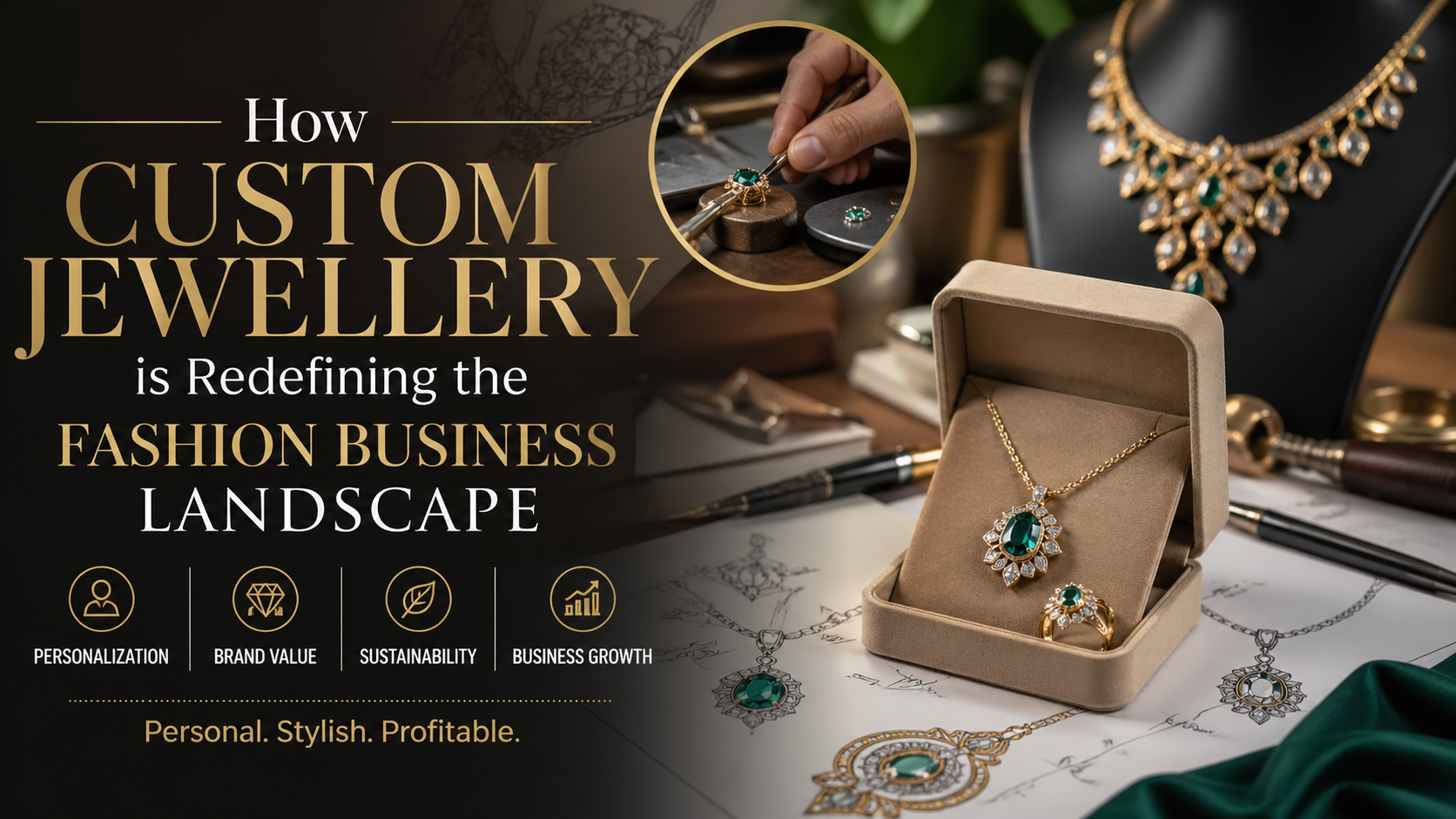
Nowhere is this evolution more evident than in the fine jewellery sector. Buyers today are looking for pieces that tell a compelling story and reflect their individual style, rather than simply settling for mass-market retail options. If you look closely at modern consumer trends, it becomes clear why commissioning an engagement ring is moving towards custom design, as buyers heavily prioritise personal significance and a connection with the jeweller’s craftsmanship over convenience. The desire to own something truly unique has transformed the way people approach milestone purchases, turning them into highly collaborative projects.
The Economic Impact of Personalised Luxury
The movement towards custom accessories is not merely a passing lifestyle trend. It is a robust economic driver that is reshaping the luxury goods market. As shoppers become more conscious of the environmental impact of their purchases, they are increasingly willing to spend more on items that offer both longevity and ethical production methods. Artisans and independent studios are thriving in this new business landscape, rapidly capturing market share from traditional big-box retailers.
Market data strongly reflects this ongoing shift in consumer purchasing behaviour. Industry analysts project that the luxury fine jewellery market will expand to reach $92.83 billion by 2035, growing at a compound annual growth rate of 6.0 percent. This massive financial growth is heavily fuelled by the rising consumer demand for bespoke, ethically sourced pieces that feature rare gemstones and sustainable materials.
High-Stakes Investments and Meaningful Design
The bespoke market thrives on the creation of high-stakes, highly personal items. When people invest a significant amount of money in an accessory, they naturally expect it to be entirely one of a kind. This consumer expectation has forced modern jewellers to pivot from simply selling finished products to providing a collaborative, hands-on design experience.
The ultimate example of this bespoke trend is the process of collaborating with a craftsman on a wedding band or statement piece. Rather than selecting a pre-made design from a generic display case, modern couples want to be intimately involved in every single step of the creation process. They want to select the specific ethical gemstone, choose the exact metal alloy, and incorporate nature-inspired or deeply personal motifs into the band. This level of involvement transforms the purchase from a simple retail transaction into a memorable life event.
Key Drivers Behind the Custom Jewellery Boom
Several core factors are pushing the fashion business away from mass production and towards a highly tailored philosophy. Retailers who understand these specific drivers are the ones succeeding in today’s highly competitive fashion market.
- Ethical Sourcing and Transparency: Consumers demand to know exactly where their materials come from. Custom jewellers often provide much better traceability for diamonds, coloured gemstones, and precious metals compared to large-scale, international manufacturers.
- Unique Personal Expression: In a world where mass-produced fashion is ubiquitous, bespoke jewellery offers a rare opportunity to wear something truly unique that cannot be replicated by anyone else on the street.
- Long-Term Investment Value: Custom pieces are typically crafted with superior attention to detail. Buyers view these items as heirloom investments that will retain their financial and sentimental value, eventually being passed down through generations.
- The Desire for Storytelling: Today’s buyers want their accessories to have a meaningful narrative. Working directly with a master craftsman allows the wearer to embed their personal history, culture, and values into the final design.
What This Means for the Future of Retail
The undeniable success of the custom jewellery market serves as an excellent blueprint for the wider fashion industry. Brands across all sectors of retail are beginning to realise that personalisation and ethical craftsmanship are no longer optional premium services. They are absolutely essential components of modern business survival and growth. Those who fail to adapt to these changing consumer expectations risk being left behind in a rapidly evolving market.
As consumer habits continue to evolve, the businesses that will flourish are those that prioritise high quality over sheer quantity. By treating each piece as a unique work of art and actively engaging the customer in the creative journey, the fashion industry can build much deeper brand loyalty. The bespoke jewellery revolution proves that when companies focus on meaningful design and ethical practices, both the consumer and the business stand to gain significantly, paving the way for a more responsible and deeply personal retail experience.