
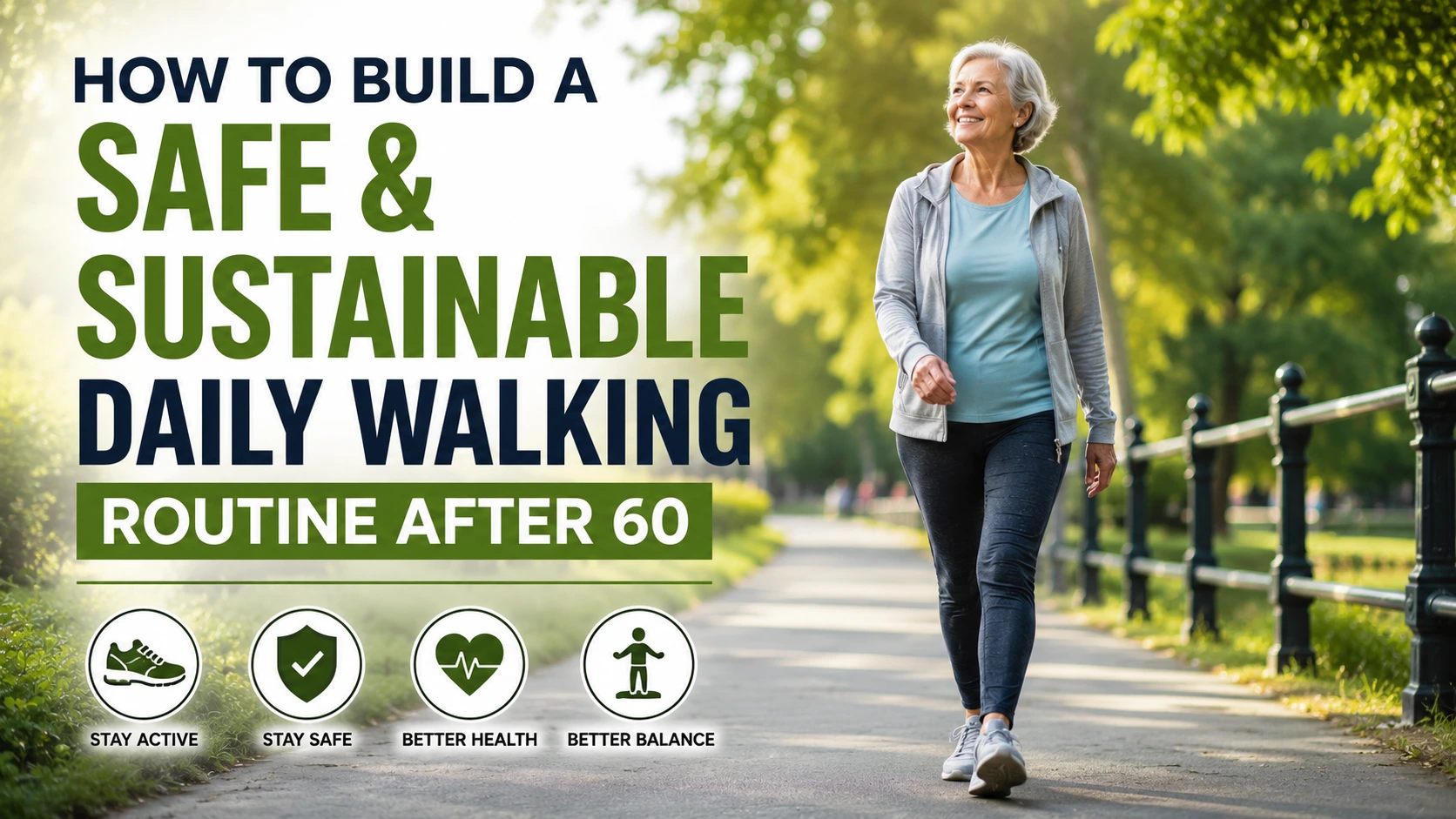
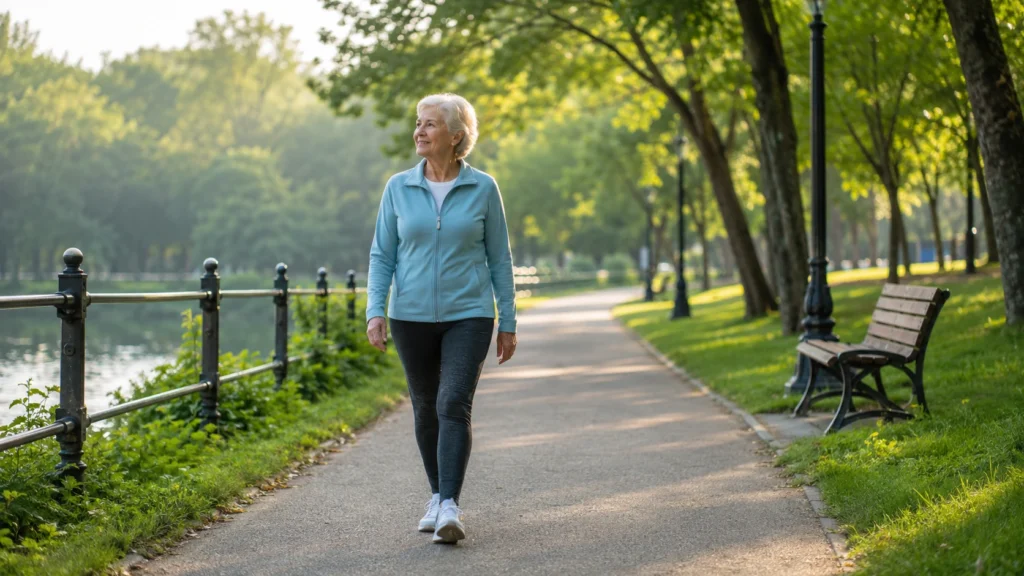
Staying active is one of the most effective ways to preserve independence and vitality as we age. In 2026, the wellness industry is seeing a major shift toward longevity training. This is a workout philosophy prioritizing mobility, balance, single-leg strength, and fall prevention to keep aging adults self-sufficient. For many, the simplest and most effective entry point into this active lifestyle is a daily walk. Walking is highly accessible, exceptionally low-impact, and can be done almost anywhere, from a local park to a neighborhood sidewalk. However, building a sustainable routine after the age of 60 requires a bit of thoughtful planning to ensure the activity remains both safe and enjoyable over the long term.
The Health Benefits of a Daily Stroll
The physical rewards of regular movement are well documented and highly encouraging. Walking between 6,000 and 9,000 steps daily significantly lowers the risk of cardiovascular disease in older adults compared to those taking fewer than 3,000 steps. Furthermore, four out of five of the most expensive chronic health conditions for adults aged 50 and older can be prevented or actively managed through regular physical activity. This includes benefits like improved joint lubrication, stronger bone density, and better metabolic health, all of which contribute to a higher quality of life.
Beyond the physical improvements, getting outside offers profound psychological advantages. Establishing predictable daily habits, like taking a structured morning walk, can significantly reduce anxiety and combat loneliness. In fact, a dependable schedule offers crucial structure that can improve senior mental health while providing a steady foundation for overall mental wellness. Whether you walk alone to clear your head or with a group to stay social, the mental clarity gained is just as valuable as the physical endurance.
Essential Gear and Fall Prevention Strategies
While walking is generally safe, navigating uneven pavement, wet leaves, or steep hills presents certain risks that should not be ignored. According to official data from the Centers for Disease Control and Prevention, over 14 million older adults report falling every year, making falls the leading cause of fatal and nonfatal injuries for adults aged 65 and older. This staggering statistic underscores the critical importance of proper preparation, environmental awareness, and reliable equipment to mitigate unexpected hazards.
Your footwear is your first line of defense against slips and trips. Invest in supportive walking shoes with a wide base, firm heel counters, and excellent traction. It is also wise to replace your shoes every few hundred miles, as worn-out treads drastically reduce stability. For those who use mobility aids, regular equipment maintenance is an absolute necessity, yet it is often the most neglected task in mobility aid ownership. Experts recommend that daily users inspect their gear at least once a month for warning signs like smoothed-out tread, visible dry rotting, or uneven slanting.
If you use a cane, replacing your walking stick rubber ends is a vital step to ensure proper grip and prevent dangerous slips on wet pavement or uneven trails. Rubber degrades over time through both physical abrasion against hard pavements and gradual hardening caused by changing weather conditions. Keeping a fresh set of grips ensures your safety margin remains intact and prevents you from unconsciously altering your natural stride to compensate for worn-out accessories.
Steps to Create a Habit You Will Actually Keep
Knowing the benefits and having the right gear are excellent starting points, but building a routine requires dedication and consistency. If you want to make walking a permanent fixture in your life, consider these practical strategies:
- Start small and progress gradually. Begin with 15 to 20 minutes a day at a comfortable pace. You can slowly increase your distance as your endurance improves without putting undue stress on your joints.
- Leverage wearable technology. Nearly half of all adults now utilize a fitness tracker or smartwatch. Monitoring your daily step volume, heart metrics, and walking speed is a fantastic way to stay motivated and track your personal progress over time.
- Join a community program. Social isolation is associated with increased health risks, making communal walks a wonderful preventative measure. Look for local initiatives, like community center walking clubs, which provide paced groups tailored to varying mobility levels.
- Listen to your body. Always pay attention to physical feedback. If your joints feel strained, take a rest day. If your equipment starts to wear down unevenly, it can force you to alter your natural gait, which increases joint discomfort. Adjust your gear and pacing accordingly.
A daily walking routine is a powerful tool for healthy aging. By prioritizing safety, maintaining your equipment, and easing into a consistent schedule, you can protect your joint health and enjoy the great outdoors for years to come. Take that first step today, and let the momentum carry you toward a healthier, more independent future.