
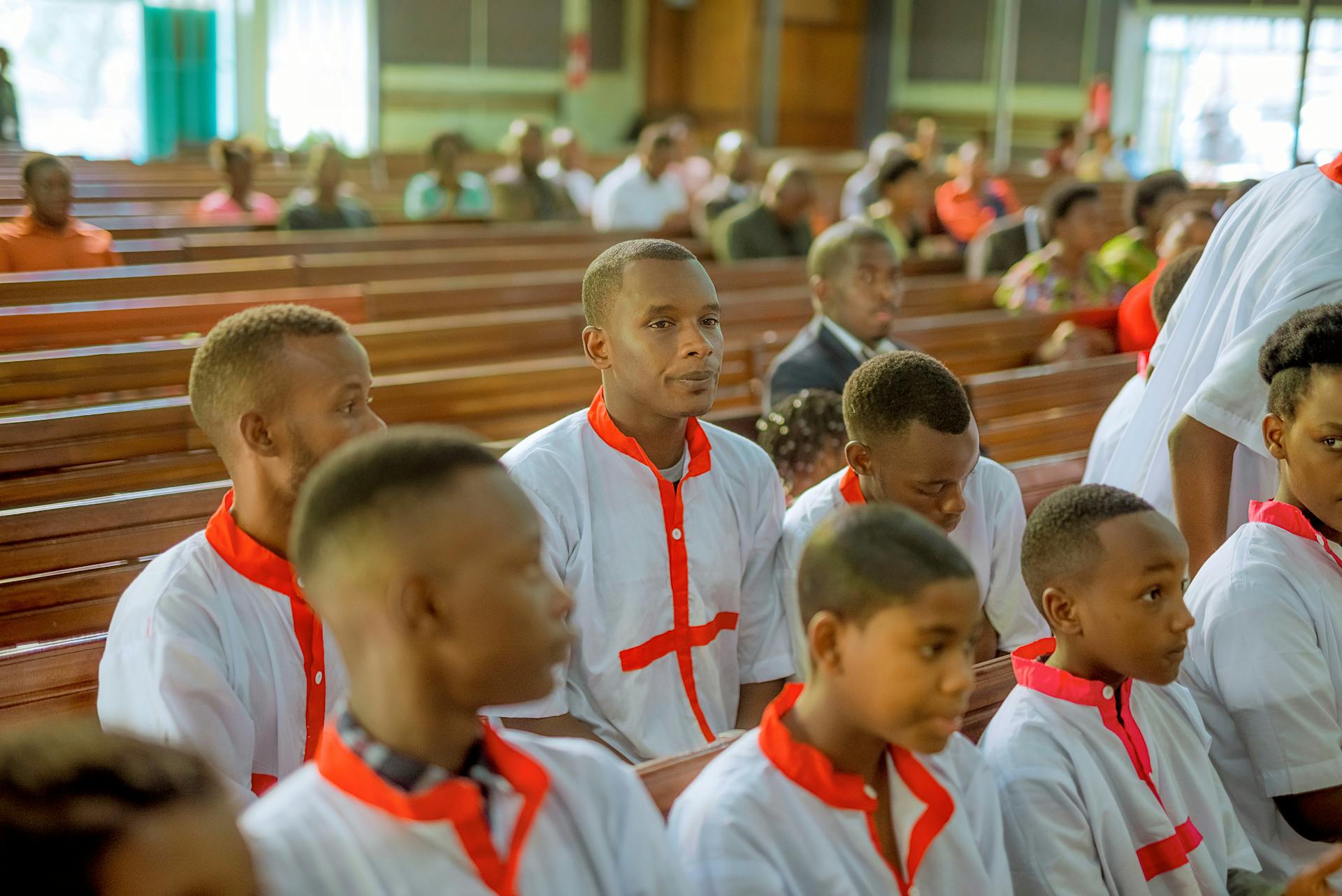
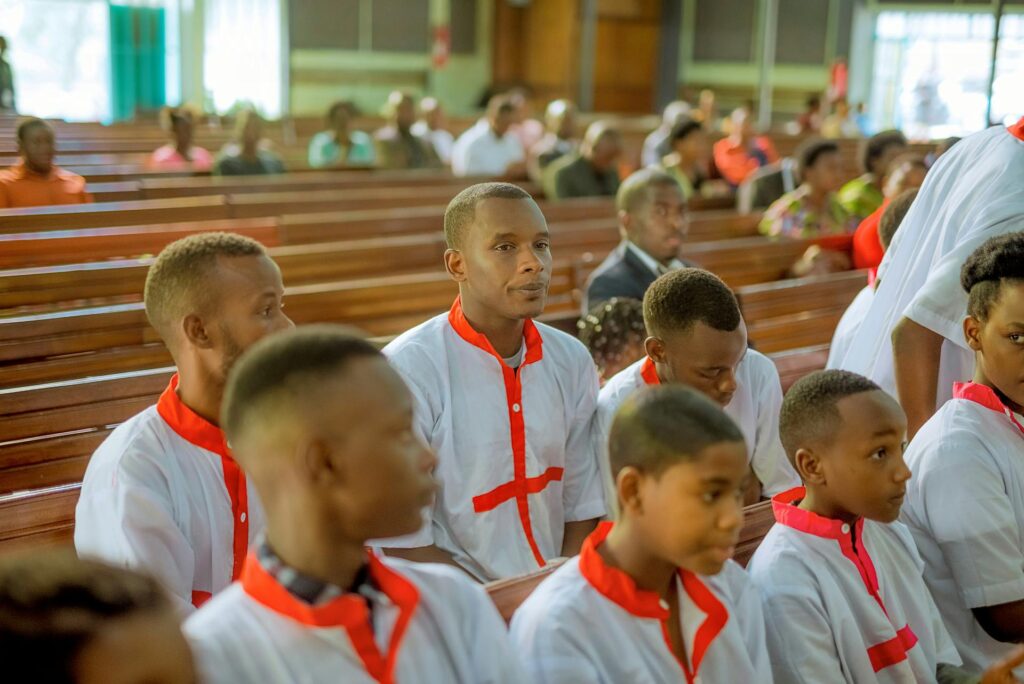
There’s an old saying that two topics should never be discussed in polite company: religion and politics. But discussions at home about faith are beneficial for adolescents. Whether you’re gathered around the dinner table or hanging out in the family room, recent research highlights just how effective these faith conversations are. Spiritual routines are an important part of daily life for many people around the world.
Children develop their morals and values based on the faith practices they see in the home. They also ask lots of questions, which is crucial for helping them understand faith and the meanings of the traditions they see. As they get older, they should know what they believe and why. The meaning behind holiday celebrations, saying grace before eating, daily prayer, and scripture study all help shape their upbringing as you build a community of support around them.
While there are a variety of rituals across different religions and cultures, it’s the purpose behind them that makes these experiences meaningful. Taking the time to teach and discuss these faith traditions at home can be instrumental in ways you may not realize. In the following sections, we’ll explore five reasons why keeping these traditions alive matters for your family.
1. Children Thrive When They Feel Rooted and Connected
Children need to feel they belong. They thrive when rooted in something bigger, whether family, faith, or culture. The shared experiences support their development. It also helps them feel safe, loved, and stable. There’s a lot of research that shows routines and shared traditions are important for emotional development. The U.S. Department of Health and Human Services’ Head Start program is one of many sources that state consistent routines and meaningful interactions help children feel secure and confident as they grow. It creates a foundation of trust that allows children to explore the world while still feeling grounded in their family relationships.
In some cases, they might even explore other religions. But they are more likely to return to their foundational beliefs when they’ve had a healthy observance and adequate understanding of these routines during their upbringing. Even young children can sense that these gatherings represent something meaningful and that they are part of a larger community that cares about them.
These experiences help develop their identity and sense of belonging. Connection is key. When children feel rooted and connected, they are more likely to grow into confident individuals who understand where they come from and the relationships that support them.
2. Predictable Rituals Build Emotional Confidence
Patterns and predictability are definitely necessary for healthy development. Children begin to understand what to expect and how they fit into those moments. This helps build their emotional confidence, and they will be more likely to participate in new experiences. Predictable experiences help them build trust in their environment and the people around them.
It’s great for children to have friends who share the same faith rituals and religious beliefs, but as they get older, they will inevitably encounter others who ridicule them because they don’t share those beliefs. But they have more confidence in their foundational values when they know what they believe, why they believe it, and are ready to defend it. This will come with time. It’s the warm memories and the feeling of safety and support that help them defend their faith rituals and build that confidence.
3. Early Faith Experiences Shape Who Children Become
A child’s identity begins to form in early childhood. These are the years when they observe the beliefs, behaviors, and values that shape their surroundings. Faith traditions are a significant part of this process because they introduce children to ideas of compassion, responsibility, gratitude, and community. Even when they’re really young, these experiences influence how they understand themselves and how they relate to others.
Early experiences and relationships shape how children think, behave, and interact with the world. Children are more likely to develop strong social skills and emotional resilience if they grow up in environments that highlight shared values and supportive relationships. They become secure, emotionally intelligent adults.
The traditions help families communicate their values through stories, ceremonies, and community gatherings. These messages compound to help children understand right and wrong and how to treat others, and lessons get reinforced by seeing adults model the same values in everyday life.
4. Milestones Give Meaning to a Child’s Growth
A person’s childhood is filled with moments of growth, but certain milestones help families pause and recognize those moments. It’s important to celebrate events throughout childhood because it supports healthy development, but it’s especially helpful for building confidence in faith traditions. They become a part of the child’s life story. These milestones add another layer of support by creating meaningful memories that children carry with them.
Faith traditions provide some of the most memorable milestones because they’re rooted in the family’s core beliefs. Ceremonies like baptisms and dedications are symbolic beginnings. These events welcome children into a spiritual community and reinforce the values that families hope to pass down. Families look for thoughtful ways to commemorate these moments because they mean so much.
The gatherings, special photographs, and keepsakes can all help preserve the memory of the day. What are some ways to add a thoughtful touch? Some families and friends take time to choose meaningful tokens, including searches for baptism gift ideas for girls or digital photo albums to catalog a dedication. These small reminders can become treasured objects that reconnect children to an important moment in their early lives and to the community that celebrated it with them.
5. Spiritual Traditions Bring Families Closer Together
Spiritual traditions create opportunities to slow down and spend meaningful time together. When families gather around shared beliefs and traditions, they create experiences that strengthen relationships. Another benefit of spiritual traditions is the sense of continuity they provide across generations.
They get passed down for decades, allowing children to feel connected to their heritage and family history. Hearing stories about how parents or grandparents celebrated the same traditions can be extremely rewarding for a child.
Ultimately, spiritual traditions are about connection. The shared experiences, conversations, and memories created through these traditions create a foundation of support and love that can last a lifetime.