
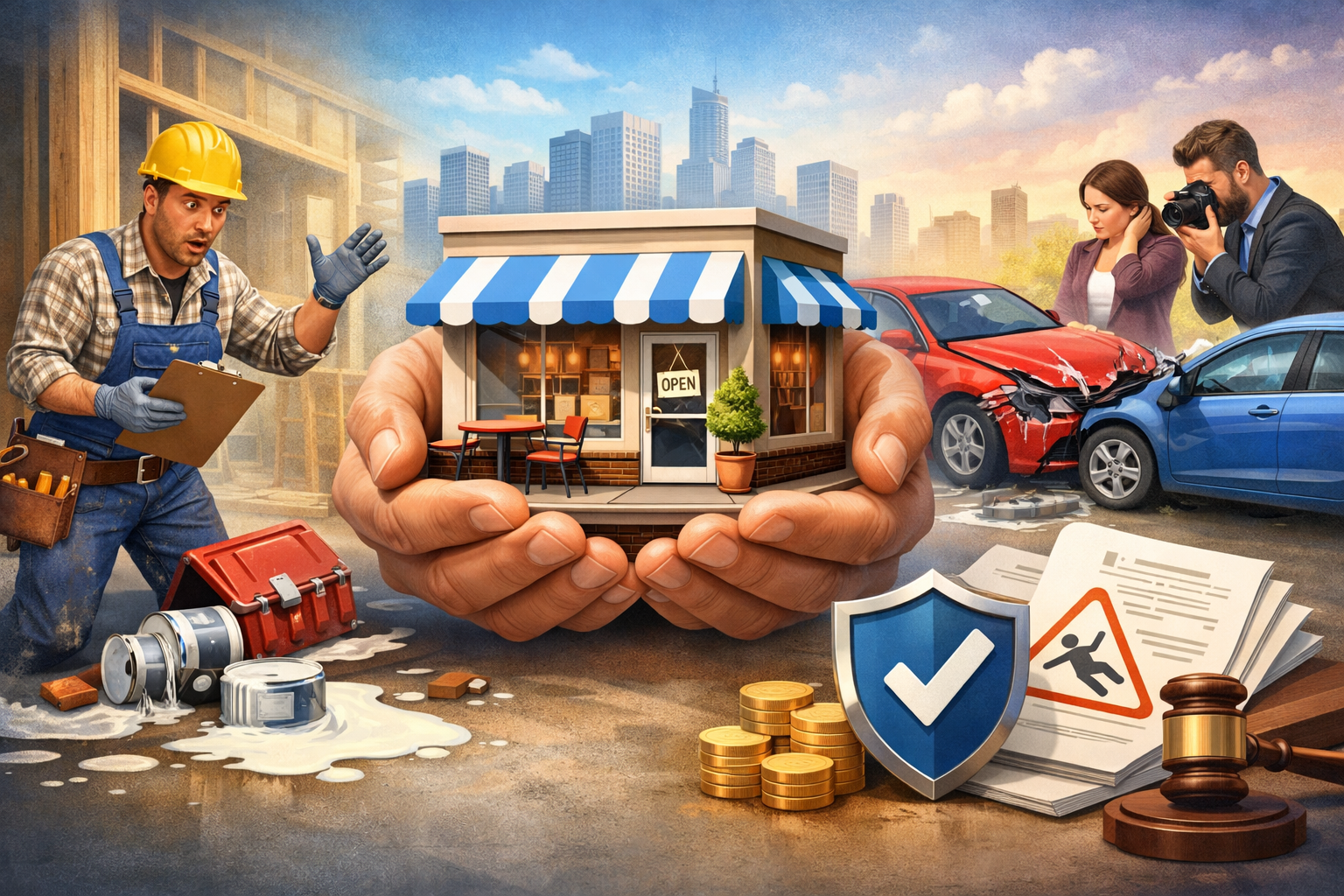
For small business owners, understanding the risks inherent in daily operations is crucial to maintaining long-term stability. One of the most fundamental safeguards a business can implement is general liability coverage. This type of insurance provides protection against common claims, such as bodily injury, property damage, and personal and advertising injuries arising from business activities. Without adequate coverage, even a single unforeseen incident can lead to significant financial strain, legal challenges, and disruptions to business operations.
Partnering with a reputable provider like The Hartford can help small business owners navigate the complexities of general liability insurance. By assessing potential risks and tailoring coverage to meet specific business needs, organizations can focus on growth and service without the constant worry of unexpected liabilities. While each business faces unique challenges, having essential general liability coverage in place ensures a foundational layer of protection, allowing owners to operate with greater confidence and security in their daily business activities.
Understanding General Liability Insurance
General liability insurance is intended to protect businesses of all sizes from common risks, particularly for small companies. It offers coverage for claims resulting from everyday business operations, such as customer slips, accidental property damage, or inadvertent advertising errors. Having this insurance is often expected by clients and vendors, making it both a practical necessity and a legal requirement.
Why Every Small Business Needs This Coverage
Regardless of industry, general liability coverage acts like a financial safety net. It can shield your business from devastating expenses such as legal fees, medical costs, and settlement payments. It also helps cover claims arising from incidents on your premises, damages caused by your employees at a client site, and libel and slander claims in marketing campaigns.
Common Claims Covered
- Bodily Injury: If a customer injures themselves inside your premises, a general liability policy can cover medical expenses, legal representation, and any court-ordered awards.
- Property Damage: Should a staff member accidentally damage a client’s property, coverage includes the cost to repair or replace the damaged items as well as related legal fees.
- Personal and Advertising Injury: This includes claims involving libel, slander, or unintentional copyright infringement, protecting you from reputational and financial harm.
Real-world examples abound: A caterer damages flooring at a client’s event, or a retail store faces a lawsuit over claims made in its advertising. Without suitable coverage, such incidents can escalate into costly legal battles.
The Underinsurance Issue
A recent report revealed that 77% of small businesses in the U.S. are underinsured, a striking statistic considering the increase in litigation and the rising costs of claims. Misunderstandings about what their policies actually cover often lead small business owners to adopt a “set it and forget it” mindset, leaving significant gaps in their coverage. Other reasons include trying to cut initial costs or simply not having enough time to review changing risk factors and policy details.
If a claim arises and is not fully covered, the financial repercussions can extend well beyond out-of-pocket expenses. Businesses risk their reputations, face the possibility of bankruptcy, and may lose the trust of prospective clients.
Choosing the Right Coverage
Securing the right policy starts with a risk assessment specific to your industry and locality. Work with reputable insurance professionals to identify your coverage needs, maximum coverage limits, and any exclusions that could leave your business exposed. Think about the types of customers you serve, contractual obligations you face, and factors like foot traffic or off-site operations. Most importantly, revisit your coverage annually or as your business grows and changes.
Integrating with Other Policies
For many small businesses, a standalone general liability policy may not suffice. Combining it with other coverages in a Business Owner’s Policy (BOP) offers more comprehensive protection. Bundling policies simplifies risk management, provides peace of mind, and often saves money compared to buying separate plans for each coverage. Additionally, integrating general liability with property, business interruption, or professional liability coverage helps minimize gaps in protection. This approach allows business owners to address multiple risks under a single, coordinated plan, making it easier to manage claims and maintain consistent coverage across all aspects of their operations.
Digital Trends in Insurance
The insurance industry is rapidly digitalizing, with small businesses increasingly turning to online platforms for policy research, purchase, and management. In 2025, over 60% of small business owners preferred digital channels, citing simplicity, faster service, and clearer comparisons as top benefits. As innovation continues, new tools and platforms make it easier for businesses to shop, compare, and tailor their insurance to their unique needs.
In addition, today’s digital insurance tools streamline document management, claims filing, and renewals, helping small business owners focus on growth rather than paperwork.
Conclusion
General liability insurance plays an essential role in safeguarding small businesses against common risks that can halt operations or trigger major financial losses. By proactively understanding your options, reviewing policy adequacy, and leveraging digital tools, small business owners can ensure well-rounded protection in an evolving commercial landscape. Don’t wait for a claim to discover what your policy covers; take control and establish a strong foundation for your business success.