Driving is an essential part of everyday life for millions of Americans, but it comes with significant responsibilities. Remaining vigilant and following best practices not only protects you and your loved ones but also helps create safer communities. In the event of a collision, knowing where to turn for advice or legal support can be vital. If you ever find yourself needing guidance after a crash, consider consulting an accident attorney for guidance on your next steps.
Road safety is not just about avoiding tickets or following the rules; it is about making intentional and informed choices every time you operate a vehicle. Simple habits such as wearing a seat belt, remaining attentive, and keeping up with vehicle maintenance can make all the difference. In recent years, increased road congestion and rising distracted driving incidents have highlighted the urgent need for all drivers to take their safety measures more seriously.
Embracing a proactive mindset means going beyond mere compliance with traffic laws. It involves being prepared for unpredictable situations and prioritizing the safety of everyone sharing the road, including cyclists and pedestrians. When everyone plays their part, it lowers the risk for all road users.
The Importance of Seat Belt Use
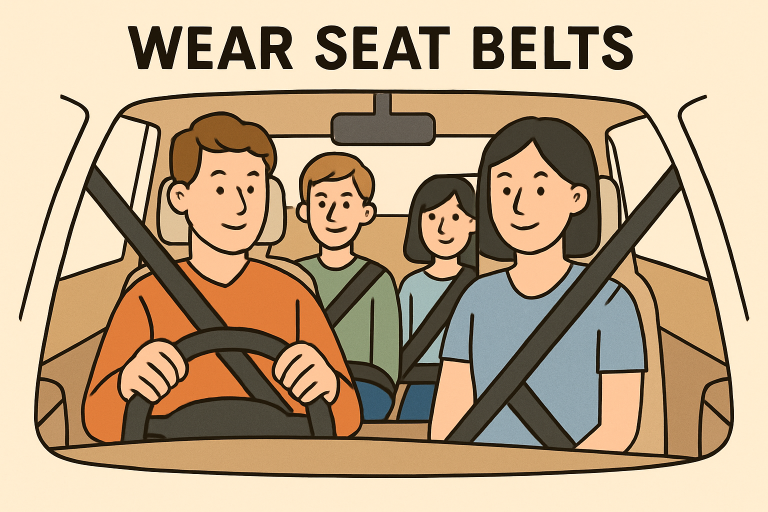
Wearing a seat belt is often the simplest and most effective action a driver or passenger can take to reduce the risk of death or serious injury. The National Highway Traffic Safety Administration (NHTSA) reports that seat belts save thousands of lives each year, reducing the risk of fatal injury by nearly half. Before you start your engine, it is vital to ensure that everyone in your vehicle is properly buckled up.
Not only does seat belt use significantly enhance your own safety, but it also sets a positive example for children and teens. Encouraging consistent seat belt habits early on builds a foundation for safe driving practices well into adulthood.
Eliminating Distractions While Driving
Distracted driving remains a leading cause of crashes on American roads. Activities such as sending text messages, eating, or manipulating the navigation system can significantly divert your attention. According to the NHTSA, over 3,300 lives were lost in 2022 due to distracted driving. Keeping your eyes on the road and your mind on the task at hand is one of the most effective ways to drive safely.
Simple steps like disabling notifications with your phone’s ‘Do Not Disturb’ feature or preparing your music playlist before you drive can help you stay focused. Making a habit of pulling over safely if you need to take care of non-driving tasks can protect you and others sharing the road.
Regular Vehicle Maintenance
Routine maintenance does more than just extend your car’s life; it also plays a key role in keeping you safe. Drivers should check tire pressure monthly, replace worn-out brake pads, and monitor fluid levels regularly. Mechanical failures, such as blown tires or faulty brakes, can lead to severe and sometimes fatal crashes.
Many accidents are preventable with timely inspections and prompt repairs. Set reminders for oil changes and take note of any dashboard warning lights. Your vehicle’s manual will list recommended intervals for essential checks.
Practicing Defensive Driving
Defensive driving is a skill set that anticipates potential risks and prepares drivers to respond effectively to hazards. The goal is to expect the unexpected by keeping a safe distance, scanning your surroundings, and avoiding behaviors that might provoke dangerous situations. Practicing the three-second rule for following distance ensures you have ample time to react to sudden stops.
Adjusting your driving behavior during adverse weather or heavy traffic helps prevent accidents. Being aware of blind spots, using turn signals, and yielding when appropriate are all components of defensive driving. Defensive driving training courses are widely available and can benefit new and experienced drivers alike.
Adhering to Speed Limits and Traffic Laws
Obeying posted speed limits is crucial for minimizing accident risk and severity, as excess speed reduces drivers’ reaction time to unexpected changes in road conditions or other drivers. According to NHTSA statistics, speeding contributes to approximately 25% of traffic fatalities. Safe drivers adjust their speed to weather and traffic conditions, remain vigilant about road signs, and respect other road users by signaling and yielding when necessary. Adherence to traffic laws fosters a predictable and organized flow, benefiting all road users.
Conclusion
Everyone who drives shares responsibility for road safety. By consistently using seat belts, maintaining focus, staying up to date on vehicle maintenance, practicing defensive driving, and respecting speed limits and laws, drivers can make a meaningful difference. These habits do not just protect individuals; they foster a culture of mindfulness and cooperation that benefits all commuters, pedestrians, and families. Making these safety principles part of your daily routine is the foundation for safer roads now and in the future.