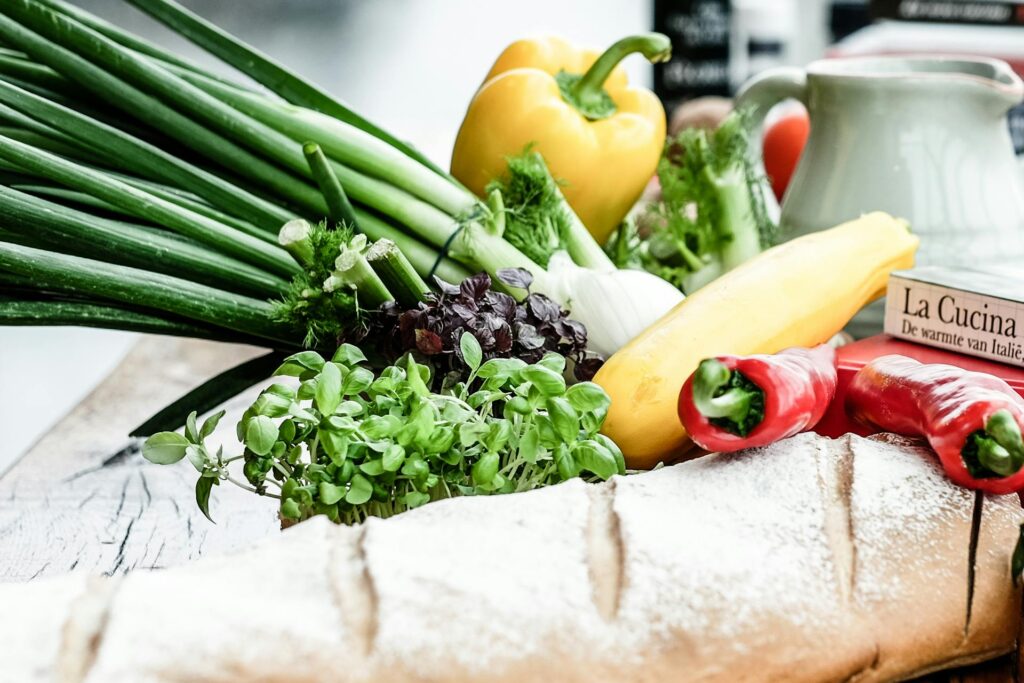
Something shifted, generally and gradually, in how people relate to food and think about food over time. Not in an overwhelmingly dramatic way, but certainly in a more conscious manner that’s connected to where it comes from, how it’s made, and possibly how it could be controlled in one’s own hands. Growing food has extended well beyond the realm of avid gardeners with expansive gardens and extra hours in the day to spare. People in flats, on terraces, and homes without gardens are producing their own fresh food, and the movement behind such change shows no signs of slowing.
On the other hand, people desire more connection to the food they eat and even how they grow it. There’s comfort within slowness as well as intimate power knowing what’s gone into the food on one’s plate. If one grows it themselves, there’s no question about it. There’s great worth in feeling like one needs to go no further than the kitchen for fresh basil for homemade pesto or salad dressing. In a world that feels increasingly complicated, many find solace in simply appreciating what’s already around. For many, that’s enough reason to go for it without question.
Reasons People Choose Growing
While different people may have different reasons, a few themes emerge as frequently connecting each engagement with growing. First of all, growing food that someone eats is an unmatched experience—not often can someone truly say that their hard work paid off to taste. Alternatively, for those who eat homegrown herbs, salad greens, and vegetables, it’s often just grown better than its supermarket counterpart that’s been through transport across the country and days in cold storage before making it to their hands.
Second, it’s cost effective. Of course, there are initial investments to starting a garden or herb pot, but for households that regularly create meals requiring herbs and salad staples (basil to start; maybe lettuce, cilantro, parsley, tomato), it makes sense to take that money for a handful of pots and make them stretch. More often than not, people find that a single pot of supermarket basil lasts barely a week but with an at-home plant, with proper care, it lasts months upon months of repeated use. Over time, those savings add up emotionally and psychologically.
Current Growing Systems
One of the biggest changes in home food growing over recent years has been the development of compact, efficient systems that work well for people without traditional garden space. Hydroponic towers are a strong example of this — vertical growing systems that deliver impressive yields in a small footprint, using nutrient-rich water rather than soil, and working just as well indoors as out. For anyone living in a flat or a home without much outdoor space, systems like these have genuinely opened up possibilities that simply didn’t exist in the same way before.
Along with hydroponic systems come more raised beds, container growing options, even windowsill arrangements that have become less barriered over time—entry points seem far less steep for those looking to see if growing for themselves works; thus, more people are trying and having success, than ever before.
Health and Wellbeing Connections
When people grow food at home they’re more likely to eat it. It’s one thing to grow a head of lettuce and immediately have salad on hand, but when lettuce constitutes a full meal rather than just a component of one (or even no other food option), it makes sense to grow what’s available too. When fresh herbs or salad ingredients are just steps away rather than the quick walk or drive to the shops, people use them more frequently—even creatively—as part of meals. Thus, any change (slow or different) is impactful over time for how people feel—both physically and emotionally.
Second, the act of growing is also good for wellbeing. The interaction required between humans and plants—checking on them daily, watering them regularly—provides a living component where not many exist in everyday life for additional calmness and mindfulness. Not overly complicated or consuming but an easy addition to one’s daily life that helps ground them, even if on a small scale.
Simplicity to Start
Perhaps one of the most reassuring elements about growing at home is how little time, money or space is required to get started. Herbs are easy starters—things like basil—that can be bought or planted in cheap pots, they grow quickly and results are seen immediately, they’re used instantly in practical settings like cooking. From there, salads greens—spinach or mixed baby greens—and spring onions and radishes can all grow quickly without much effort while rewarding their growers in both time and edible use thereafter.
People might want to jump at big projects first, to really dig into finding what grows best, but seasoned veterans will advise others against such complexities until they’ve built up their confidence. It’s better to start small and make one effective option work better than starting too much too soon. Having fresh food come consistently over time from a small triumph instead of an overwhelming challenge is helpful across the board as big grandiose plans rarely pan out as we’d hope they would anyway.
An Ongoing Shift/Trend
What’s most interesting about the current wave of interest in growing things at home is how accessible it’s been across various demographics. It’s not associated with any one particular lifestyle or demographic—people of all ages in various living situations—most of whom have limited outdoor ability—are finding ways to grow something whether inside or outside. The systems available, the research at people’s fingertips and the community of growers willing to provide support have transformed home growing into a feasible development anyone who wants the opportunity should be able to try because anything could come out of it—and that includes fresh food and what’s better than homemade efforts?