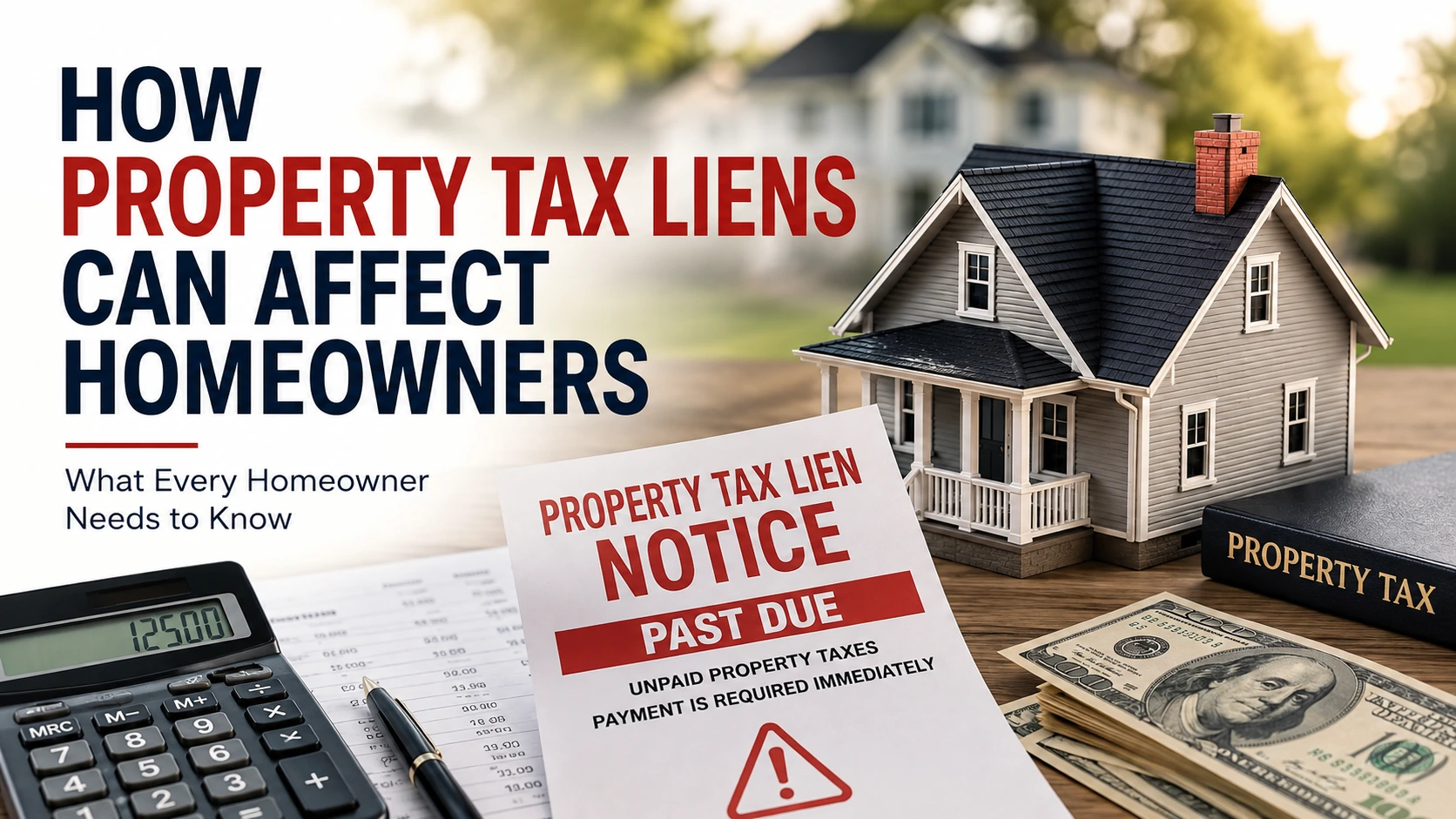
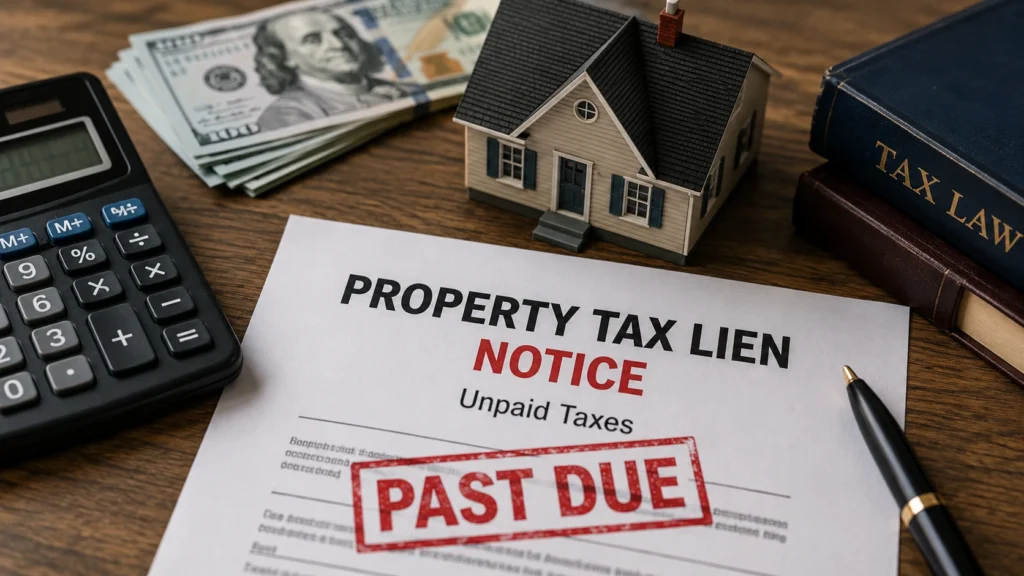
Homeownership comes with financial responsibilities that extend beyond mortgage payments and routine maintenance. Property taxes are a legal obligation, and unpaid balances can lead to serious consequences that affect ownership rights, finances, and future real estate transactions.
A property tax specialist can help review assessments, explain tax obligations, and identify available appeal options before unpaid taxes become a larger legal issue. Early action gives homeowners a clearer understanding of deadlines and available remedies. Careful attention to tax notices also reduces the chance of avoidable complications.
Ways Property Tax Liens Affect Homeownership
A property tax lien can influence several important aspects of property ownership. Its effects extend beyond unpaid taxes and may impact future financial decisions involving the home. Understanding these consequences helps homeowners recognize why timely resolution matters.
Property Sales And Refinancing
Selling or refinancing a home with an active property tax lien may become more complicated. Buyers, lenders, and title companies generally expect outstanding tax obligations to be resolved before a transaction can proceed. A lien may delay paperwork, postpone closing dates, or require the balance to be paid before ownership changes hands.
Additional Costs
Unpaid property taxes may continue to accumulate penalties, interest, and other legally authorized charges. As the balance grows, the total amount required to satisfy the lien also increases. Early payment helps reduce these added expenses and keeps the financial obligation more manageable.
Credit And Financial Planning
Although a property tax lien may not affect every credit profile in the same way, it can influence financial planning related to the property. Homeowners may face added challenges when seeking certain types of financing connected to the home. Resolving the lien provides greater flexibility for future financial decisions involving the property.
Risk Of Foreclosure
If delinquent property taxes remain unpaid for an extended period, local laws may allow taxing authorities to begin foreclosure proceedings. The timeline and legal process vary by jurisdiction, but unresolved liens can eventually place property ownership at risk. Addressing tax obligations early helps reduce the possibility of reaching this stage.
Ongoing Ownership Responsibilities
A property tax lien remains attached to the property until the outstanding taxes and any applicable charges are paid. Homeowners should continue to monitor tax notices, payment records, and local deadlines to prevent additional issues from developing. Regular attention to these responsibilities helps protect ownership rights and supports smoother property management over time.
Steps Homeowners Can Take
Property owners who receive notices about unpaid taxes should review them carefully and confirm the reported balance. Keeping payment records organized also helps resolve questions if discrepancies arise. Timely communication with the appropriate tax office may prevent additional complications.
Professional guidance can also provide valuable clarity when tax issues become complex. An experienced property tax specialist can evaluate assessment records, explain protest opportunities when appropriate, and help homeowners understand the next steps based on local requirements. This support allows informed decisions while protecting important property interests.
What To Check Before Hiring A Property Tax Specialist
Choose a professional with experience in local tax laws, assessment reviews, filing procedures, and lien-related concerns. Clear communication, accurate record evaluation, and close attention to deadlines help prevent costly errors. Reliable guidance also supports timely decisions that protect long-term property ownership.
Property tax liens can affect ownership, financing, future property transactions, and long-term financial stability. Recognizing the warning signs early and responding quickly helps reduce legal and financial consequences. Careful attention to tax obligations keeps homeownership more secure and protects valuable real estate for the future.