
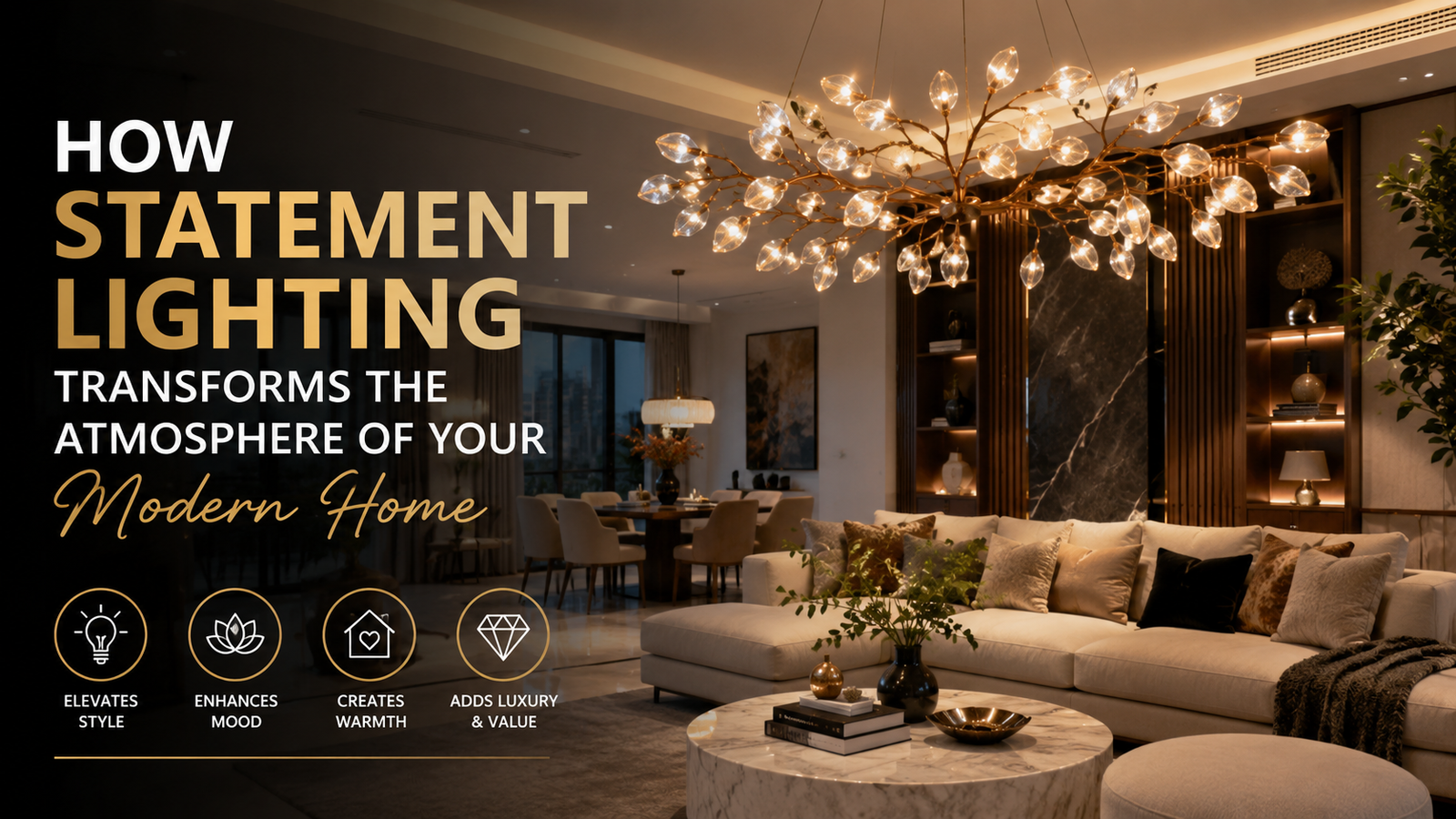
When designing a modern home in Singapore, many homeowners focus heavily on bespoke furniture, sophisticated colour palettes, and expansive spatial layouts. However, one of the critical elements often gets treated as an afterthought during the planning phase. Lighting is not just a functional necessity used to illuminate a dark space. It is the defining feature that sets the tone, mood, and perceived size of any room. A carefully selected statement piece can take a standard living space and turn it into an intentional, elevated sanctuary. As interior design trends evolve across the globe, fixtures are increasingly viewed as high-end sculptural art rather than simple, utilitarian room accessories.
The Psychology Behind Proper Illumination
Before looking at aesthetics, it is important to understand how illumination fundamentally affects human well-being and daily productivity. Harsh, single overhead lights can quickly create sterile, uninviting environments, whilst warm, layered lighting brings immediate comfort and spatial depth. According to research published by the National Center for Biotechnology Information, proper light exposure dictates our fundamental physiological responses. Specifically, scientific reviews confirm the effects of light on human circadian rhythms and mood, demonstrating that intentional rhythmic variations in ambient illumination function as a highly effective way to improve sleep cycles, reduce evening anxiety, and support general well-being.
By controlling the intensity, shape, and warmth of your fixtures, you directly influence how relaxing your home feels after a long day of work. For example, incorporating sculptural chandelier lighting serves not only as a striking visual focal point but also diffuses light softly throughout a large space. The Terrapin 14 Patterns of Biophilic Design framework is increasingly utilised by leading residential architects to prove this concept. Material connections to nature, such as branching organic fixtures, textured metals, or frosted glass leaves, actively improve indoor environmental quality and positively influence occupant mood on a daily basis.
Elevating Your Space Without a Full Renovation
Cultivating an inviting and luxurious home environment does not always require knocking down walls, hiring contractors, or undergoing extensive remodelling. Instead, homeowners can achieve dramatic residential transformations through thoughtful, strategic design tweaks. As noted in a practical guide to small upgrades that make a big difference in everyday life, simply upgrading a room’s ambient lighting can completely change its entire look and feel. Swapping out a generic, builder-grade fixture for an artistic focal point instantly adds undeniable character to an otherwise neutral or minimalist room.
This design strategy is especially effective in transitional areas like the dining room or main entryway, where a bold centrepiece anchors the space. A striking fixture draws the eye upwards, creating an illusion of higher ceilings and adding an immediate sense of grandeur to your interiors. In fact, recent consumer survey data from Statista reveals that 72 percent of modern buyers now prioritise the visual and sculptural appeal of lighting fixtures over basic functionality when making their purchasing decisions. Consequently, the global high-end lighting market recently reached a valuation of over 16 billion dollars, driven largely by regional homeowners actively investing in luxury residential upgrades that blend exquisite form and reliable function seamlessly.
Current Trends Shaping Luxury Interiors
The general consensus for modern interior design highlights a definitive move away from rigid, overly sterile minimalist rules. Organic modernism is now a dominant residential style, shifting toward contemporary clean lines accented by warm, asymmetrical, and nature-inspired forms. Several key design frameworks are driving this interior evolution across the industry:
- Biophilic Design 2.0: This modern approach expands well beyond simply adding potted houseplants to a living room. It integrates structural elements and lighting fixtures that mimic natural tree canopies, intricate branches, and flowing water forms to subtly reduce stress in dense urban living environments. Recent architectural studies demonstrate that these residential biophilic design elements strengthen overall occupant satisfaction by 35 percent and boost mental well-being by nearly 28 percent.
- The Wabi-Sabi Aesthetic: This traditional Japanese philosophy celebrates natural asymmetry, graceful ageing, and authentic raw textures. It is actively reshaping the luxury home sector by driving a strong consumer preference for handcrafted, organic lighting shapes over mass-produced, perfectly symmetrical geometric fixtures.
- Layered Lighting Systems: Leading interior designers in the Singapore home renovation market are moving aggressively away from harsh overhead glare. Instead, they strongly favour combining bold ambient fixtures with subtle, dimmable accent illumination to create versatile atmospheric depth.
Incorporating organic forms and natural materials into residential interiors does more than just impress visiting guests. A peer-reviewed study from the Periodicals of Engineering and Natural Sciences found that such thoughtful, nature-inspired designs increase perceived occupant comfort by up to 40 percent. By viewing statement lighting as curated art rather than mere utility, you give your modern home a distinctive, welcoming personality. Ultimately, the right illumination ensures your space is beautifully designed, highly functional, and genuinely supportive of your everyday wellness and relaxation.