

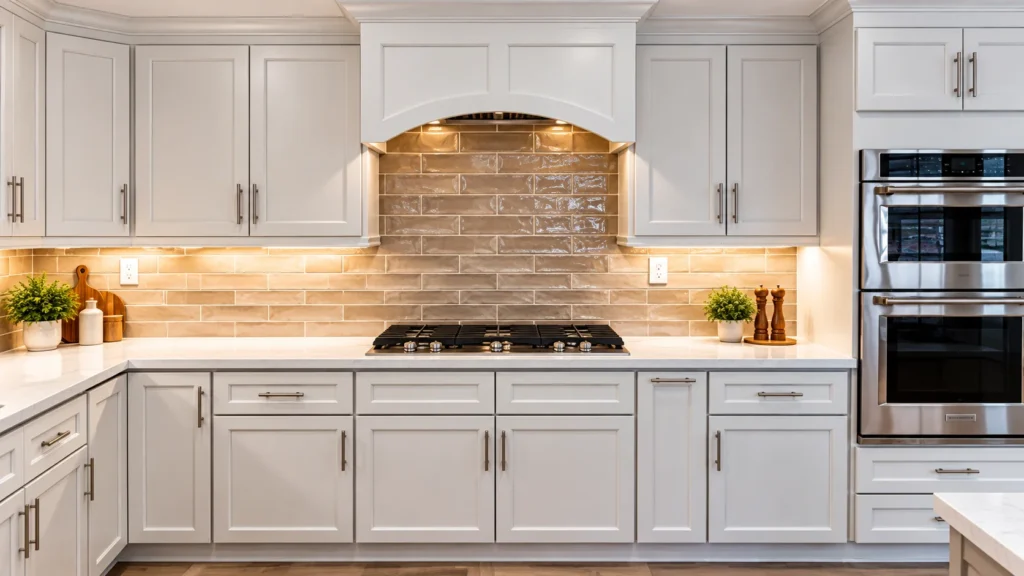
Kitchen design renderings give homeowners and designers a clear picture of how a finished kitchen may look before construction begins. They can show cabinets, countertops, flooring, lighting, appliances, and other details in a realistic way. The cost of creating these visuals can vary based on the amount of work, design detail, and type of rendering required.
Several factors can influence kitchen design rendering pricing, so understanding them can help homeowners plan their budgets and choose a service that fits their needs.
The Level of Design Detail Affects the Cost
A simple kitchen rendering may only show the basic layout, cabinets, and major fixtures. A highly detailed rendering can include realistic materials, textures, lighting, appliances, hardware, and decorative elements.
More detail usually requires additional design and rendering time. As a result, a complex project may cost more than a basic visual.
Kitchen Size Can Influence Rendering Pricing
The size and layout of the kitchen can also affect the work involved. A small, straightforward kitchen may require fewer elements to model. Larger kitchens may include more cabinets, appliances, islands, lighting fixtures, and surfaces. If the layout has several areas that need to be shown from different angles, additional work may be needed.
The Number of Views Can Change the Price
One rendering may show the kitchen from a single perspective, while a larger project may require several views. Multiple images can help homeowners understand how the space will look from different parts of the room.
Each additional view may require adjustments to lighting, camera angles, and design details. This can increase the overall project cost.
Custom Materials Require More Work
Some kitchens use standard materials that are easy to add to a rendering. Others may include custom cabinetry, unusual stone patterns, specialty finishes, or unique flooring. When specific materials need to be recreated accurately, the designer may spend more time building and applying those details. This can affect kitchen design rendering pricing.
Changes to the Original Design Can Add Time
Rendering usually begins after the basic kitchen design has been established. If the homeowner makes several changes during the process, the rendering may need to be updated.
Changing cabinet layouts, colors, appliances, countertops, or lighting can require additional modeling and rendering work. Agreeing on the main design before rendering can help reduce unnecessary revisions and stress.
The Type of Rendering Technology Matters
Different rendering methods can produce different levels of realism. Basic visuals may be created more quickly, while photorealistic renderings can require more advanced software, detailed models, and processing time.
If the goal is to create an image that closely resembles a finished kitchen, the additional level of detail may affect the price.
Turnaround Time May Affect the Final Cost
Standard projects usually allow the designer enough time to complete the work according to the planned schedule. If a rendering is needed very quickly, rush service may involve additional costs. Discussing the expected deadline before starting the project can help both sides understand the schedule and pricing.
Experience and Service Scope Can Make a Difference
The designer’s experience and the services included in the project can also influence the price. Some providers may only create the rendering, while others may help with design planning, material selection, revisions, and multiple visual concepts. It is helpful to compare what is included rather than looking only at the starting price.
A Clear Project Scope Helps Control Costs
Before ordering a rendering, discuss the kitchen size, number of views, level of detail, materials, revisions, and deadline. Having these details clearly defined can make it easier to understand the total cost.
In the end, kitchen design rendering pricing depends on the complexity and scope of the project. A clear plan can help homeowners get useful visuals while keeping the rendering process within their budget.
Key Takeaways
- Kitchen size and layout can affect rendering costs.
- More detailed visuals generally require more work.
- Multiple views can increase the overall price.
- Custom materials may require additional modeling.
- Design changes can add revision time.