

Mountain bikes are built for off-road cycling and are designed to handle terrain that ordinary road bikes are not suited for. Whether you are riding along rocky trails, sandy paths, forest tracks, or steep mountain routes, a good mountain bike can provide the stability, traction, and control you need.
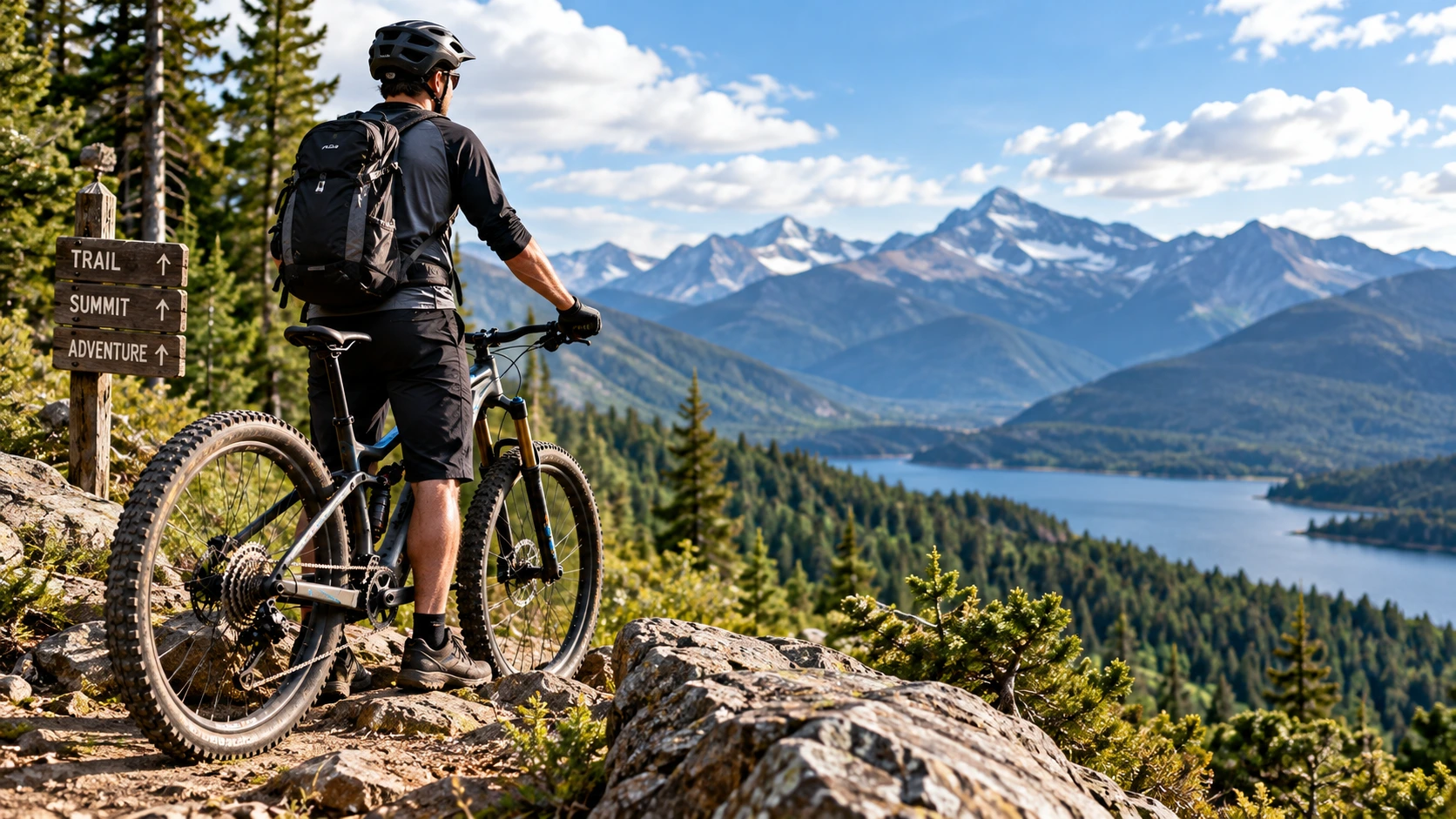
What Is a Mountain Bike?
A mountain bike is a type of bicycle specifically designed for off-road riding. Unlike a typical road bike, it is built to cope with rocks, dirt, gravel, uneven surfaces, and other challenging conditions.
Mountain bikes generally have wider tires, stronger frames, flat handlebars, and gearing designed to make climbing and riding over difficult terrain easier. These features make them a popular choice for people who enjoy outdoor cycling, mountain trails, and adventurous rides.
There are several types of mountain bikes available, including cross-country, trail, and downhill models. The right option depends on where you plan to ride, your experience level, and your budget. If you are shopping on a limited budget, you can also find options such as the best MTB bikes under 1000.
Major Benefits of Mountain Bikes
Mountain bikes offer several features that make them suitable for challenging outdoor environments. Here are some of the major benefits to consider before choosing one.
1. Knobby Tires Provide Better Traction
- One of the most noticeable features of a mountain bike is its wide, knobby tires.
- The tread pattern helps provide traction on surfaces such as dirt, rocks, sand, gravel, and muddy trails.
- Mountain bike wheels are also designed to withstand the demands of off-road riding, with durable rims and spokes on many models.
This additional grip can make a noticeable difference when riding over loose or uneven surfaces. It can also give riders greater confidence when tackling trails where a standard road bicycle may struggle.
2. Durable and Strong Frames
- Many entry-level mountain bikes use steel frames because steel provides strength and durability while helping keep the purchase price relatively affordable.
- Aluminum frames are another common option and can provide a useful balance between strength and weight, although they may cost more.
- Higher-end mountain bikes may use lighter materials and more advanced frame designs, which can improve handling and reduce overall weight.
The frame material you choose will depend largely on how and where you plan to use the bike. Casual riders may be perfectly comfortable with a durable entry-level frame, while frequent trail riders may prefer a lighter and more specialized design.
3. Flat Handlebars Offer Better Control
- Mountain bikes typically use flat handlebars that provide a wide and comfortable grip.
- The wider handlebar can give riders better control when steering around rocks, roots, turns, and other obstacles.
- The riding position also gives the cyclist a clearer view of the trail ahead, which can be especially useful on uneven terrain.
Having good control is particularly important when riding downhill or navigating technical sections of a trail. A comfortable handlebar setup can make it easier to react quickly to changes in the terrain.
4. A Comfortable and Controlled Riding Position
Mountain bikes are designed to give riders a position that supports control and stability on uneven surfaces. Instead of focusing only on speed, the geometry of a mountain bike is designed to help the rider manage obstacles and changes in terrain.
This riding position also makes it easier to shift your body weight when going over bumps, descending slopes, or moving around obstacles. Being able to adjust your position can help maintain balance and control throughout a ride.
5. Wide Range of Gearing
Another major advantage of mountain bikes is their range of gears. Different gear combinations allow riders to adjust their pedaling effort according to the terrain.
Lower gears are particularly useful when climbing steep hills or riding over difficult sections of a trail. Higher gears, on the other hand, can be useful when riding faster on smoother sections.
Depending on the model, mountain bikes can have a wide range of gear combinations. This flexibility makes them suitable for routes that include both climbs and descents, as well as a mixture of rough and relatively smooth surfaces.
Are Mountain Bikes Good for Beginners?
Yes, a mountain bike can be a good choice for beginners, especially if you plan to ride on dirt roads, trails, gravel paths, or other uneven surfaces. However, beginners should choose a bike that matches their riding style rather than simply buying the most expensive model.
An entry-level mountain bike with suitable tires, reliable brakes, comfortable handlebars, and an appropriate gear range can be enough for recreational trail riding. As your experience grows, you can decide whether you need a more specialized bike.
How to Choose the Right Mountain Bike
Before buying a mountain bike, consider the type of terrain you expect to ride most often. A lightweight cross-country bike may be suitable for long rides and moderate trails, while a trail or downhill bike may be better for more demanding terrain.
- Terrain: Think about whether you will ride on gravel, forest trails, rocky paths, or steep downhill routes.
- Frame: Compare frame materials and choose one that provides the right balance of durability, weight, and price.
- Tires: Look for suitable tread and tire width based on the surfaces you expect to encounter.
- Gears: A suitable gear range can make climbing and riding across changing terrain easier.
- Brakes: Reliable brakes are particularly important when riding steep or technical trails.
- Budget: Set a realistic budget and prioritize the features that matter most for your intended use.
Frequently Asked Questions About Mountain Bikes
What are the main benefits of a mountain bike?
The main benefits of a mountain bike include better traction, durable construction, improved control, a stable riding position, and a wide range of gears. These features make mountain bikes well suited to off-road and uneven terrain.
Can I ride a mountain bike on normal roads?
Yes. Mountain bikes can be ridden on normal roads, although their wider, knobby tires and heavier construction may make them slower than a road bike on smooth pavement. They are most useful when your routes include a mixture of paved and unpaved surfaces.
Are mountain bikes suitable for beginners?
Mountain bikes can be suitable for beginners, particularly those who want to explore trails and unpaved paths. An affordable entry-level model can provide the basic features needed to learn off-road cycling.
Why do mountain bikes have wide tires?
Wide tires with an appropriate tread pattern provide greater contact with the ground and help improve traction on loose or uneven surfaces such as dirt, gravel, rocks, and sand.
Why are mountain bikes designed with multiple gears?
Multiple gears allow riders to adjust the amount of effort required for different terrain. Lower gears can make steep climbs easier, while higher gears can help maintain speed on flatter or smoother sections.
What should I consider before buying a mountain bike?
Consider the type of terrain you will ride, your experience level, frame material, tire design, gear range, braking system, bike size, and overall budget. Choosing a bike based on your actual riding needs is generally more important than simply choosing the most expensive option.
Final Thoughts
Mountain bikes are designed to make off-road cycling more manageable, comfortable, and enjoyable. Features such as knobby tires, durable frames, flat handlebars, a controlled riding position, and multiple gears give riders the tools they need to handle a variety of challenging surfaces.
Whether you are a beginner looking for weekend adventures or an experienced cyclist who enjoys demanding trails, there is a mountain bike for different riding styles and budgets. The key is to choose a model based on the terrain you ride, the features you actually need, and how much you are willing to spend.